German Migration to America: Johan Martin MOSER 1693-c.1743 Part Three
Please read the following Preamble and Part One and Part Two before reading this one.
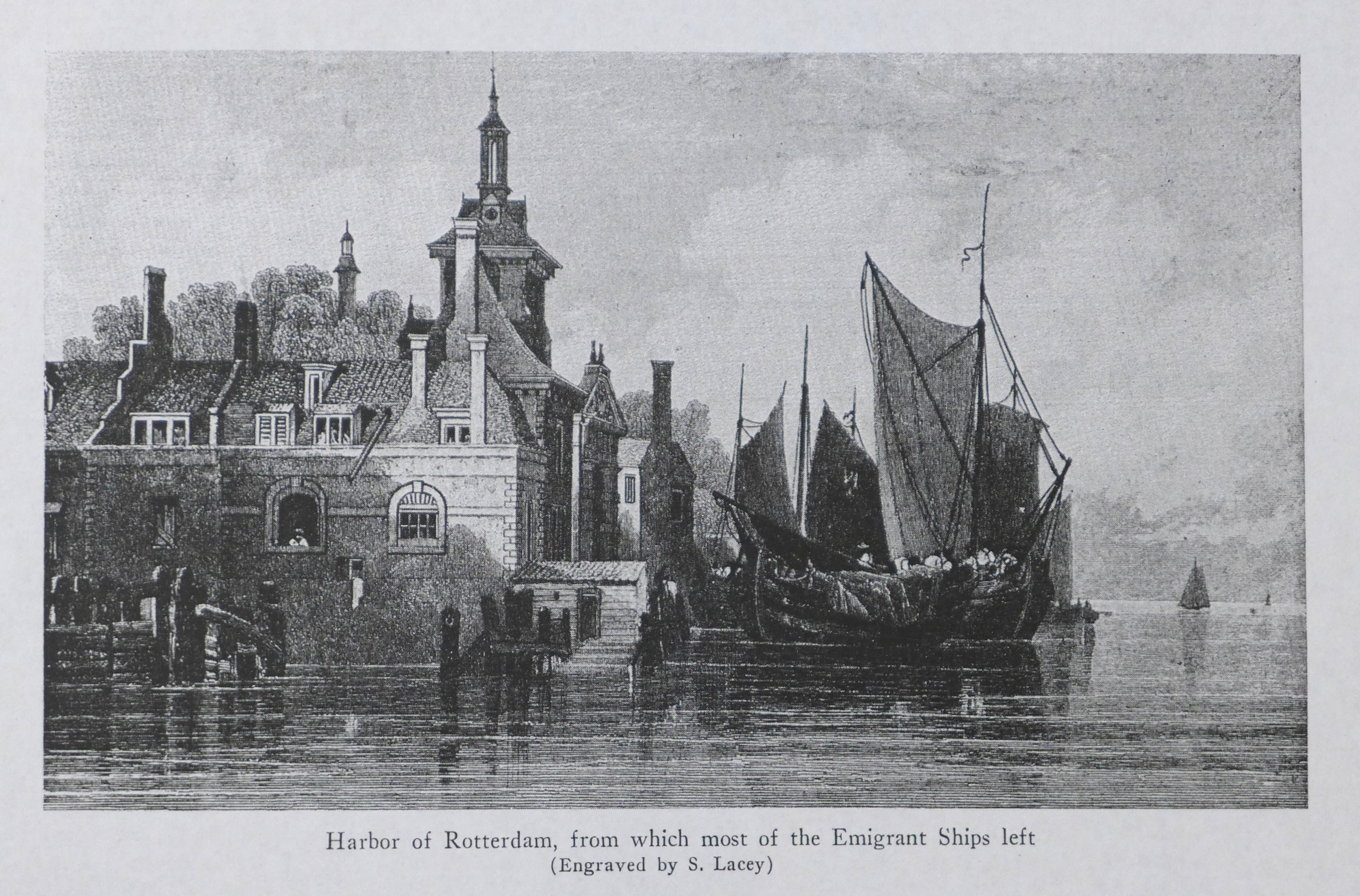
If you have been following this saga we left the Martin and Magaretha MOSER family in Rotterdam about to board a ship to America. The year is 1728. Martin is 35 and Margaretha 37. I failed to mention that Martin’s half brother, son of his father’s second wife, Elisabetha WOLLINGER, accompanied Martin on their voyage. Johan Adam MOSER was 27 at the time of the sailing and as far as we know single. He would have provided an extra set of hands on the long journey.
THE SAILING
Sailing from Holland to Philadelphia could take eight to ten weeks. There are three ships that leave Rotterdam for America in 1728; The ‘Mortonhouse’ which took 70 days (10 weeks), the ‘Albany’ that took 75 days (10 weeks 5 days) and the ‘James Goodwill’ which took 89 days (12 weeks, 5 days). Ordinarily we would know very little about what took place on the such a voyage, but we are exceedingly lucky that a diary kept by one of the passengers was found in St Paul’s library in Westphalia and later at the University of Munster. In 1729 a pamphlet was put together from several missives/diaries wherein it describes the journey from Rotterdam to Philadelphia. The author is unknown but the compiler notes that he is a man of education, devout and concerned. I cannot know for sure, but wonder if the Reverend Caspar Stöver may have been the author. The translation was published by Julius F Sachse in Lancaster, PA in 1909 titled Diary of a Voyage: Rotterdam to Pennsylvania 1728. I highly recommend reading it.
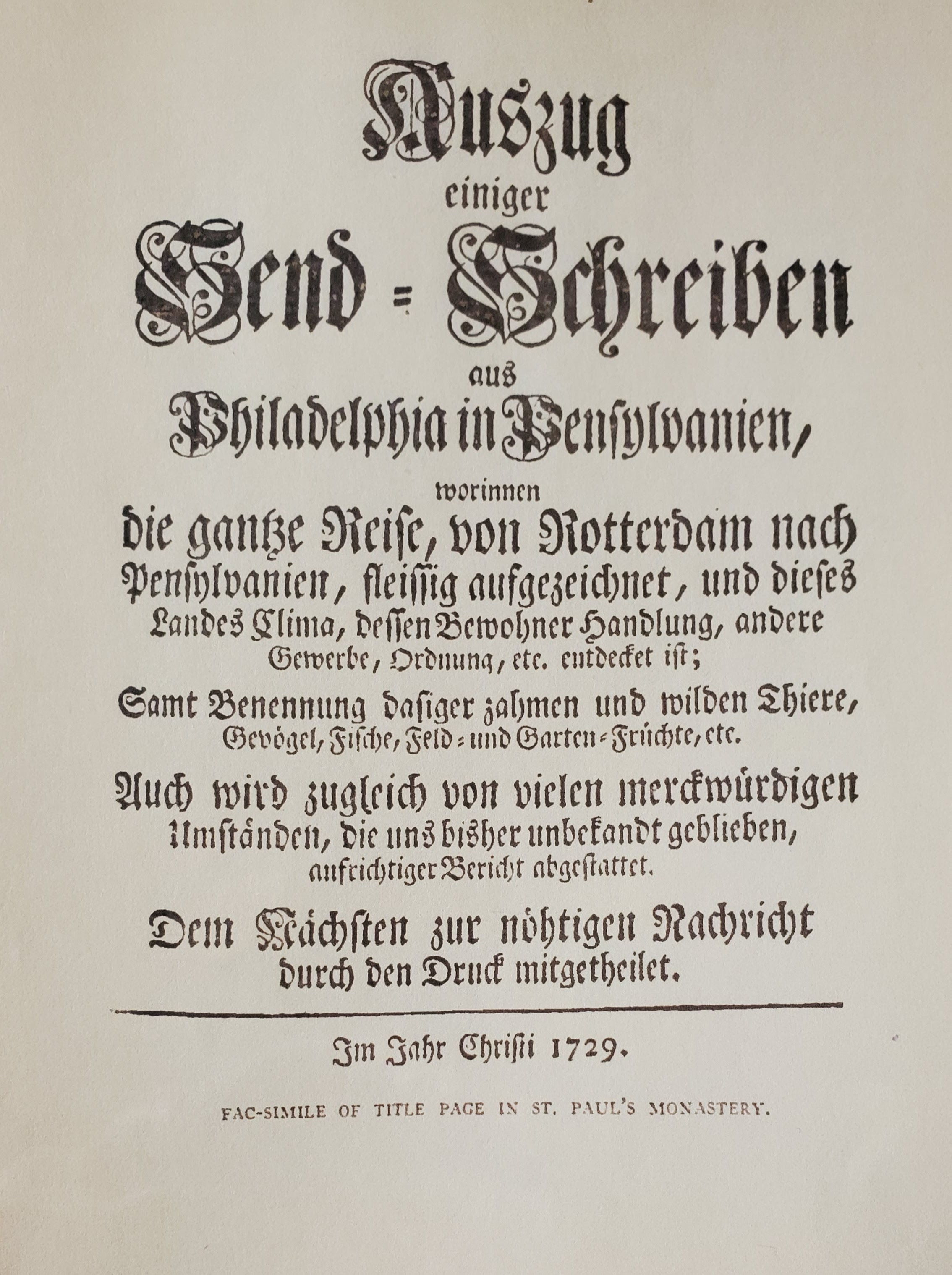
Because of the length of the voyage as described in the pamphlet and the dates of departure and of arrival I believe this chronicles the voyage of the ‘James Goodwill’. Even if I am not correct it gives the reader an excellent view of what was involved in crossing the Atlantic in 1728. It took the ‘James Goodwill” two weeks or two weeks and five days longer to arrive than the two other vessels arriving from Rotterdam this year. Please note the pilot had a habit of running aground —on account of never being sober! A few quotes:
“Our voyage to Pennsylvania was appointed for the ninth of June. But our departure was delayed until the fifteenth, when we set sail from Rotterdam, having however an unfavorable wind. After sailing about an hour and a half we had the misfortune to break our Iron Rudder-gaff, through the carelessness of the Pilot, who ran the ship aground, under full sail, whereby our second helmsman, who was at the tiller was badly hurt at his foot. So we had to cast our anchor and send the broken Gaff back to Rotterdam for repairs. on the afternoon of the sixteenth we again set our sails but on account of the contrary wind….we had again to drop anchor…On the afternoon of the seventeenth, we again weighed our anchor, but after sailing about half an hour, we once more were fast upon the sand, by the carelessness if our almost never sober pilot. ” p 8
“On the 21st we started early and sailed well during the day. At night we anchored. Early on the morning of the 24th we sighted the Dover cliffs, and about 9 o’clock in the morning passed Dover.” p 9
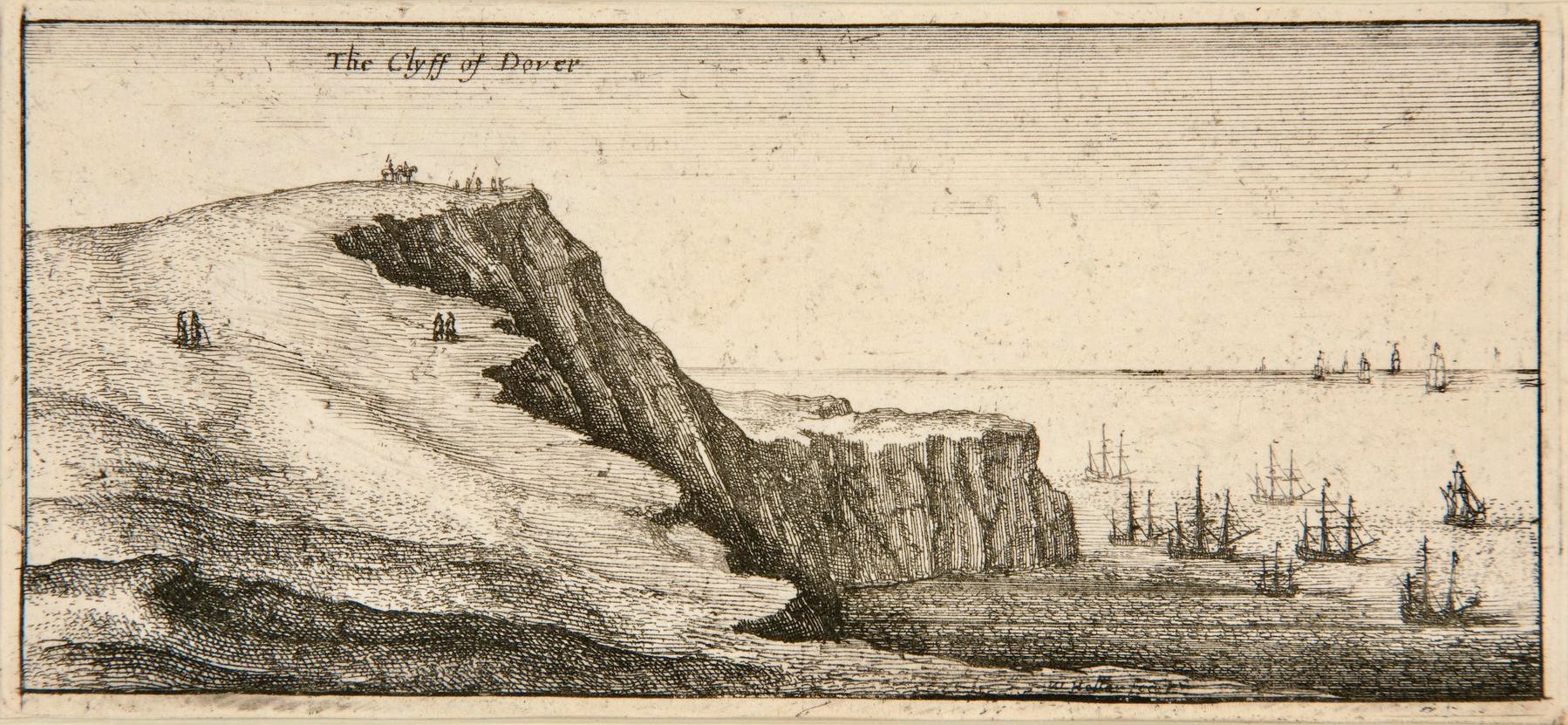
However, ever at the mercy of the weather it took another 6 days to arrive at Plymouth Harbor.

“After an inspection of our vessel, which resulted favorably we sailed out of Plymouth Harbor on July 8, but on account of contrary winds were obliged to come to anchor on a very dangerous spot, with perilous cliffs upon both sides. Here we remained until the 11th, if where in the meantime a storm would have arisen, we would have been in the greatest peril. The merciful God, however prevented it, and we sailed off this dangerous hole on the 11th with a very favorable breeze. The same day we passed the end of England, and entered upon the great ocean, having favorable wind until the 17th when we sighted two English ships coming from Livorno and Gibraltar, who brought is news that the Saraeen pirates has broken their treaty with England, and had equipped several vessels and sent them out to sea, with orders to capture all Christian ships with which they should meet.” p9
The account chronicles the good and bad days at sea. By August 31st they were 78 miles from New York and by September 3rd had sighted the coast of America and made there way to Delaware Bay where more treacherous sand bars awaited them.
“During the storm a heavy rain fell, so I remained in my bed, particularly on account of the horrid motion of the ship. One could neither walk nor stand, but would stagger like a drunkard.” p12
By this time they were near Philadelphia but unable to get ashore. The captain sent 3 sailors and the chief mate to secure a pilot but they did not return. The next days were full of contrary winds and on the 6th and 7th a terrible storm. Finally without a pilot or sailors:
“On the 11th our captain resolved to go ashore personally in the large boat to inquire about our absent crew. This was done, and upon his return with a load of cedar wood and apples, brought the truth about the missing sailors, who had been some days in the town, and gotten drunk.” p15
Perhaps some additional excerpts from the diary are to be noted. It really gives insight into conditions aboard ship.
“Concerning the other inconveniences of this journey, they consisted chiefly from the fact that the ship was packed too full, as a result there was but little room. In the cabin, which was medium size there were lodged eight persons, with much baggage and we had to content ourselves with close quarters. The ship’s food consisted of horrible salted corned meat and pork, peas, barley, groats and codfish. The drink was stinking water, in which all food was cooked….My greatest annoyance during the whole voyage were the lice, from which none aboard were free, not even the captain” p 17
It seems the voyage was a particularly bad one. Perhaps Martin and family spent some of their time during the nearly 13 weeks on board reading the bible [and praying for deliverance]. Here’s a Martin Luther bible title page printed in Nuremberg in 1717 which would have been the closest printing house to them. Perhaps they received one as a wedding gift when they were married in 1717.

1717 Nuremburg
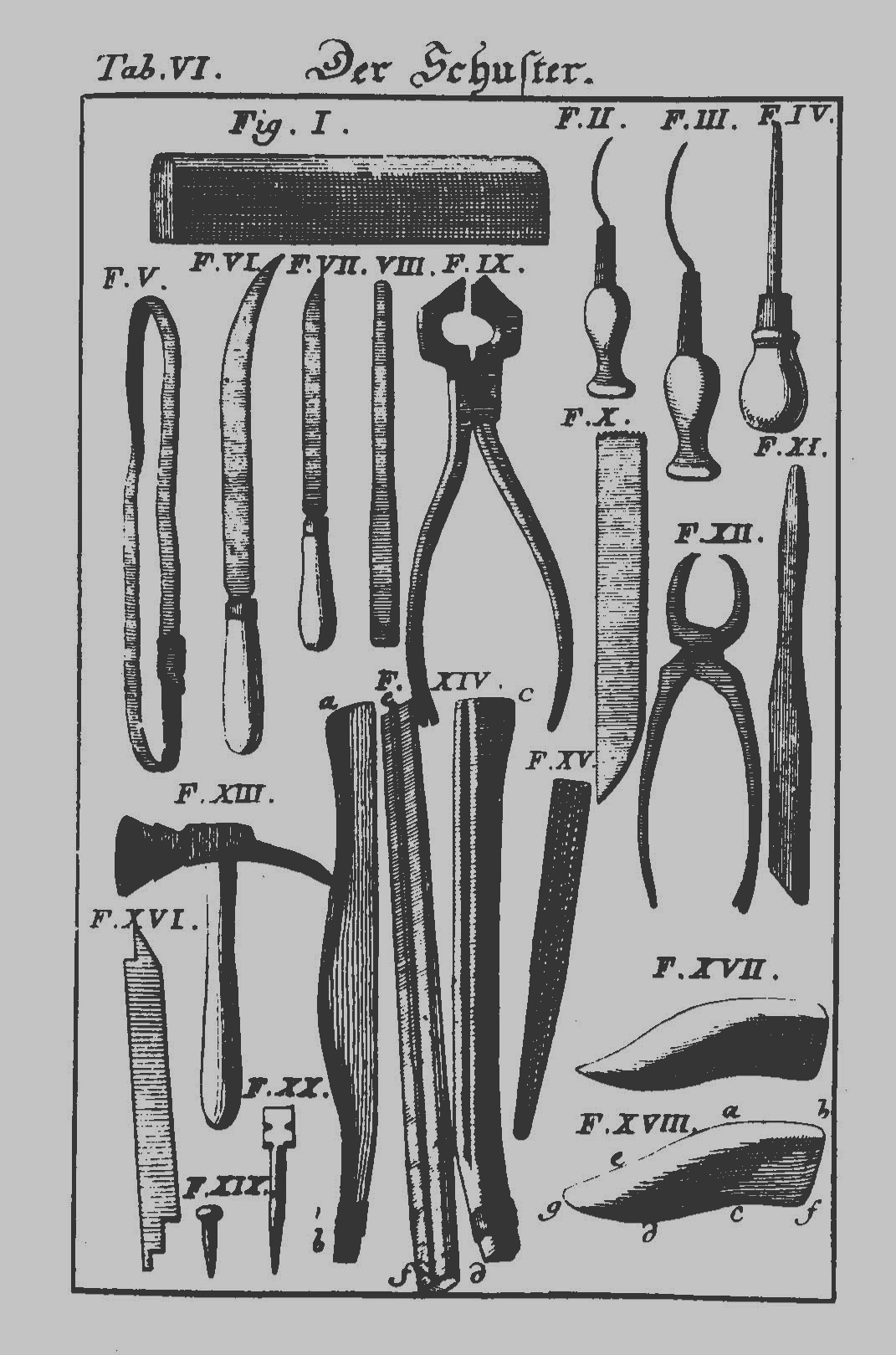
I like to think that the children played with other children on board. There were 37 families, 42 above the age of 16 which left a total of 48 children. According to the Diary of a Voyage none who embarked died. There were 4 children born at sea and two were a set of twins who died and were buried at sea. p. 25 Margaretha was busy watching after the two toddlers and probably washing and sewing. Martin I like to think was at his craft. Maybe earning a bit of money making shoes for those aboard ship. I do not know what his brother Adam’s occupation was.
The Lutheran Revered Caspar STÖVER and his apprentice minister son would have done their best to tend to their flock. It has been stated that his son often preached on Sunday’s aboard ship. Back to the author who probably expressed the feelings of all:
“Now I am here, and rejoice over my deliverance from the dangerous element of water, and am upon dry land. But this I must and will frankly acknowledge, that if I was still in B—-[Berlin?] or any other place in Europe, I would never undertake this journey, even if there should be there a veritable, or in fact a terrestrial Paradise, as a certain person wrote in his lying and deceitful letters from here to various places in Germany.” p.17
THE ARRIVAL
The author writes that even if you could not afford passage their were people to pay your fare:
“Such persons, especially unmarried ones, can undertake the journey without money. The ship captians take them along, and when they land here, there are enough people found, who are willing to pay for the passage (ordinarilly six pistoles) of such persons and who then according to the laws of this country must serve their masters for four years. The master of such servants is bound at the end of the term to give the servant a suit of
Sunday and ordinary clothes, together with a new axe and hoe.” p19
Apparently some of the passengers of the “James Goodwill” owed Captain CROCKATT money as this advertisement suggests :
“Those Palatines who have hitherto neglected to pay for their passage in the Ship James Goodwill, are to take Notice; that if they do not pay me onboard said Ship, or to Charles Read of Philadelphia, the sum from them respectively due, the 20th day of this instant November, they will be proceeded against to Law, by David Crokatt.”
“The American Weekly Mercury” Philadelphia 7 November, 1728
From the Arrival List 8A: the Mens Names above 16 years old aboard the James Goodwill, M David CROKATT, Commander, from Rotterdam to Philadelphia in Pennsylvania, arrived the 11 September 1728. Thirty seven families produces Forty Two persons above 16 Years. [This could be the same as the David CROKATT, great-grandfather of Davy Crockett.]
From the Minutes of the Provincial Council, printed in Colonial Records Vol. III p. 331.
Dav’d Crokatt.
“At a Council held in the Courthouse of Philadelphia,
Septem’ber 11th, 1728. . . . A List was presented of the Names
of Forty two Palatines, who with their Families, making in all
about Ninety persons, were imported here in the Ship James
Goodwill, David Crockat, Master from Rotterdam, but last
from Deal, as by Clearance from the officers of the Customs
there, bearing Date the Fifteenth day of June, 1728.”
PHILADELPHIA
Below is a painting from 1718 and an etching that illustrates the development 38 years later. The MOSERs arrived early on. The population of Philadelphia in 1730 was about 11,500. At the beginning of the 18th century must homes were built of logs or wood frame but by the end of the century they were being replaced by stone and brick.

Courtesy Library Company of Philadelphia

courtesy Philadelphia Museum of Art
The pamphlet has quite a bit to say about the author’s view of Philadelphia.
The city of Philadelphia, upon the whole, is right decently laid out, and already pretty well built up, and much business is done there. Wine is very dear, tea also —Five Rix dollars for a pound of a very bad sort—tea (Bohia), coffee beans… Sugar such as is bought in Berlin for six Groschen, costs here twelve Groschen. —Summa—Everything here is dreadful dear. Meat is still the best bargain here, with price about the same as in Berlin. Bread, rent and wood are dreadful dear. As to drink, water is the cheapest thing here and extraordinary good. The strong beer that is brewed in Philadelphia is very good, but not for me. The cider or applewine is rarely found good. Molasses beer, which is chiefly drank in the country, is an exceedingly pleasant and thirst quenching beverage, which tastes better to me than the pure water. This beer is composed of water, syrup and hops, together with some wheat bran. In this country far more wheat is grown than rye, and wheat-bread is eaten in almost all places.” p22-23
The author complains about the weather, mice, the price of goods and the poor quality of most of the dwellings. He talks about game, trees and lumber at some length. But this kernel sums it up nicely:
O these liars! who in their glowing well-written and printed missives send us such glowing accounts about the climate of this country and other things all described so beautiful and paradisical, which deceived so many hundred people—even me I would not like to share their just reward.” p23-24
A German printer in Philadelphia, Christopher SAUR, published the first German bible in America. Soon a third of the population in Pennsylvania was Swiss or German. In 1732, Benjamin FRANKLIN published Die Philadelphische Zeitung—the first foreign-language newspaper in America. German emphasis on education and literacy provided a market for newspapers, books and almanacs that kept the German community together and well informed.
In the next chapter we will find out where Johan Martin MOSER and family settled in Pennsylvania and how it all ties together with William PENN, Daniel FALCKNER and Reverend Caspar STÖEVER.
Kelly Wheaton ©2024 – All Rights Reserved
 Wheaton Wood
Pingback: THE MOSERS IN BAVARIA: Wißenkirchberg, Hetzweiler, Kloster Sulz, Altengrueth | Wheaton Wood
Pingback: German Immigrants to Pennsylvania: Pioneer Georg “Frederick” MOSER (1722-1800) | Wheaton Wood