KENT The Garden of England Day Two Part Two & Day Three Part One: Leeds Castle
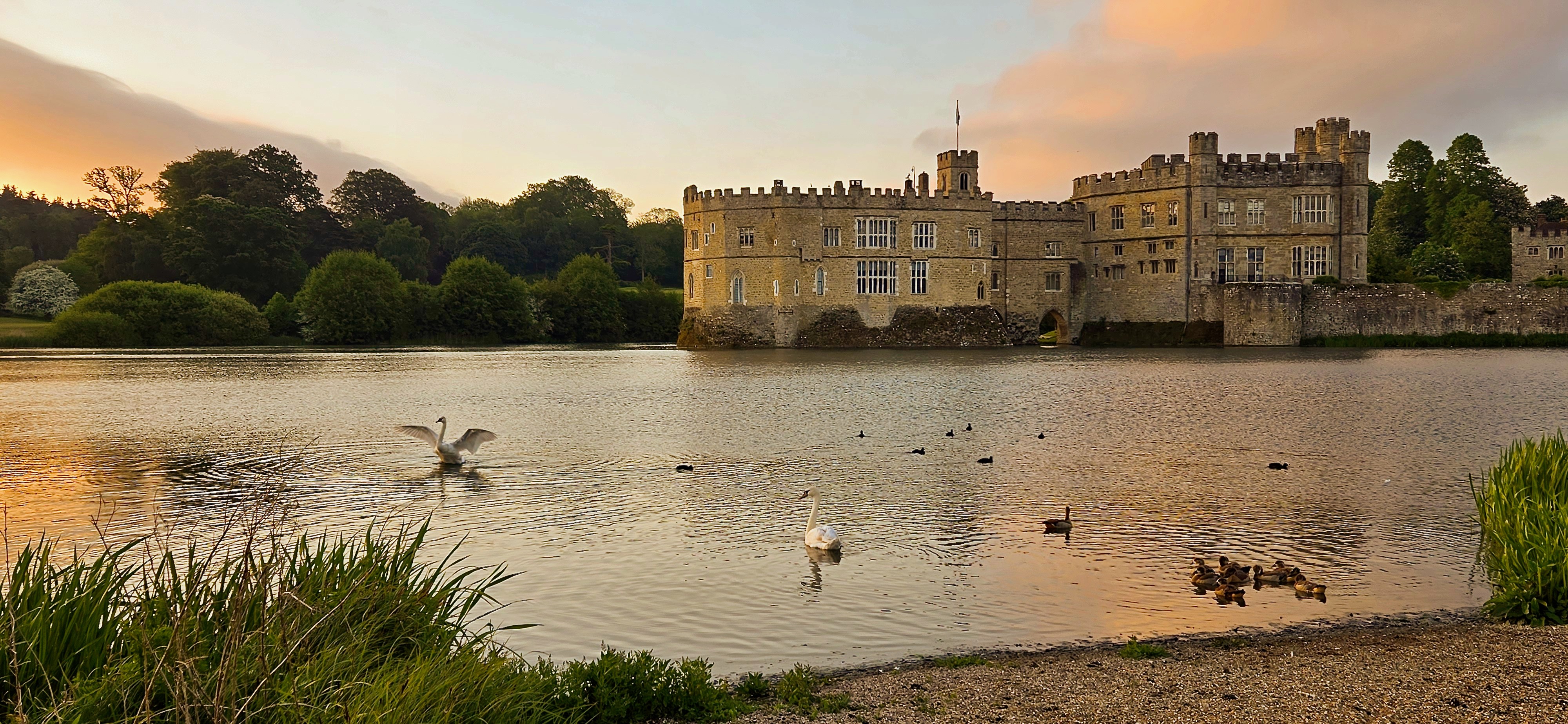
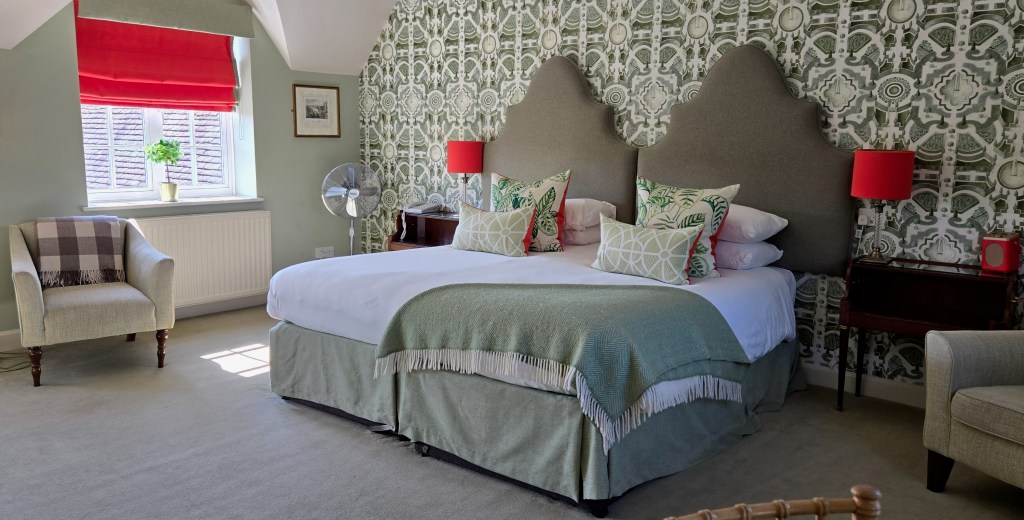
We arrived at Leed’s Castle in the afternoon for a two night stay. I had written a bit about Leed’s Castle in an earlier blog post here. Leed’s Castle is confusing for many a tourist, as it is not located in Leeds, Yorkshire, but rather near Maidstone in Kent. About the year 857, Leeds Castle was a Saxon castle built of wood on 2 islands, in the middle of the River Len. It was owned by the Saxon chief, Led or Leed, and was known as the Manor of Esledes. We drove in from the east past the golf course. The Castle lies in an idyllic setting on 500 acres of beautifully landscaped grounds. Although I am sure a “day visit” to enjoy many of the attractions is quite lovely, but for me the best parts of Leed’s Castle were revealed in the late evening and early morning hours when the grounds are only open to those staying there. We were to spend two nights here. My room, which was supposed to be shared I had to myself, and it was huge. In total there were 4 sets of window, 3 overlooking Culpeper’s Garden and one the Car park. Room, the view over the garden and the 3 upstairs windows on left were my room.
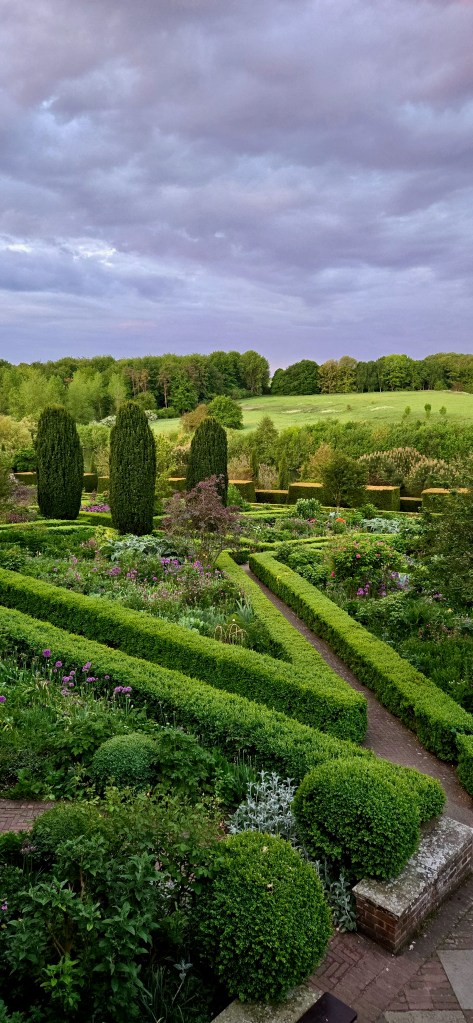
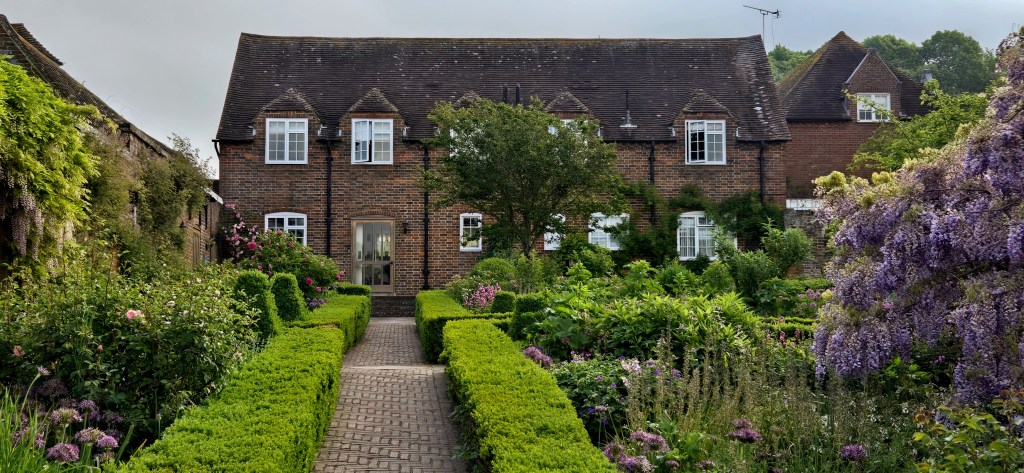
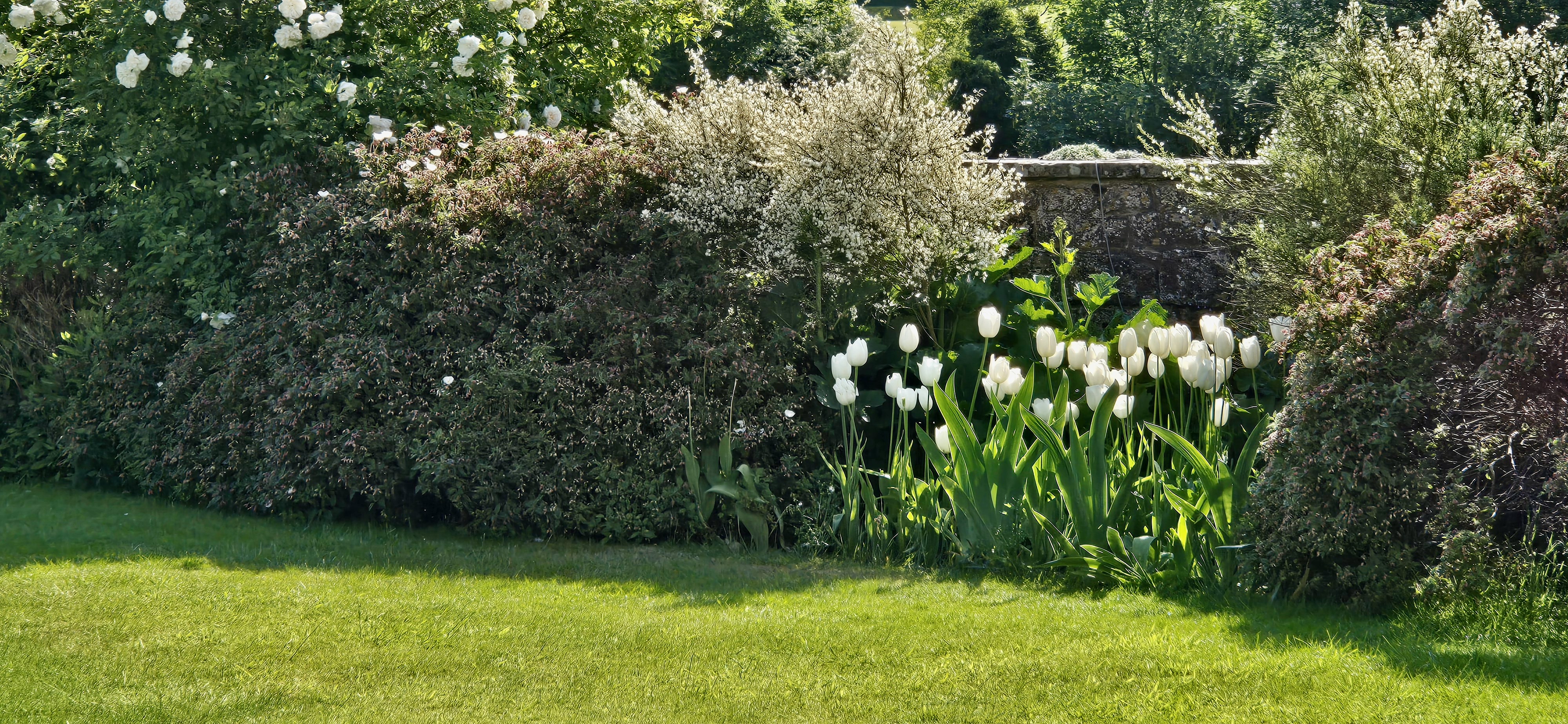
I couldn’t have been more pleased to have such a lovely view of the garden. This was the site of the original Kitchen Garden named after the family that owned the Castle in the 17th century. In 1980 it was transformed by the landscaper designer Russell Page into a beautiful formal garden with a central Wisteria tree. My grandparents had a similar one in, albeit smaller, in their garden when I was growing up. The garden with formal box hedges is chock full of roses, iris, allium, poppies and assorted perennials.
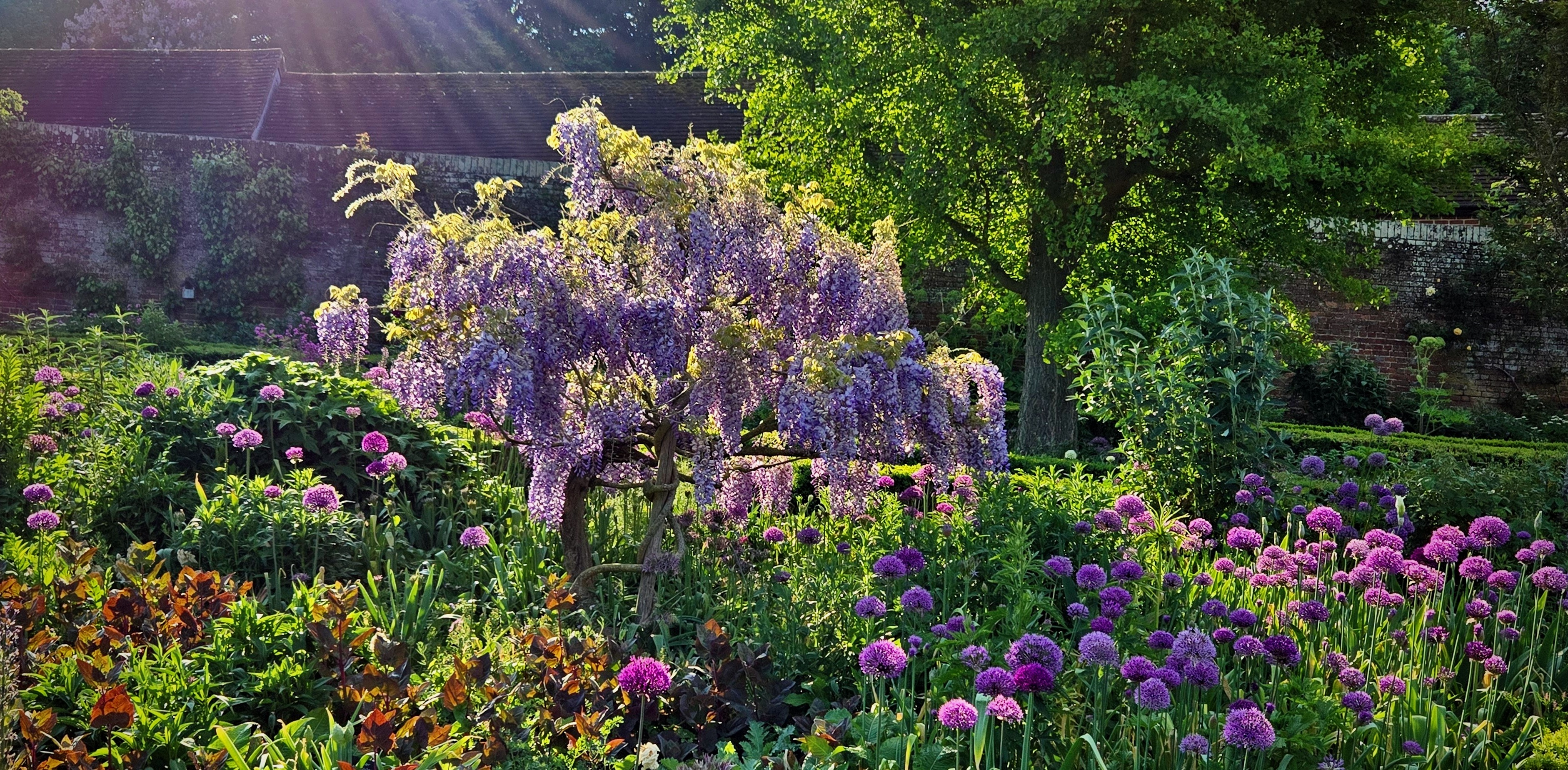
This first evening we had a stroll around the grounds, although the castle itself was closed to all but the people who were staying on the island. Dinner was at the Castle View Restaurant. The food and the view did not disappoint.
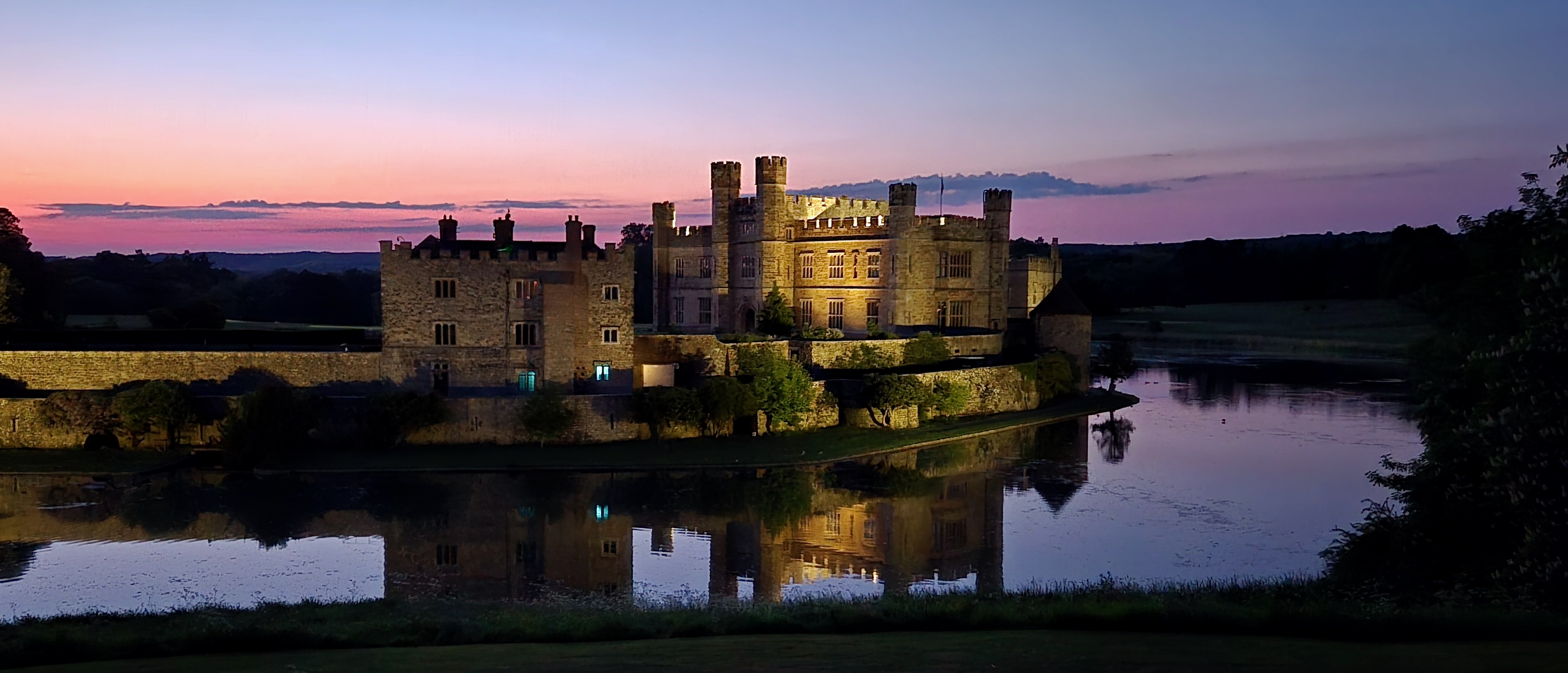
On the way back to our room I caught a quick photo of Chuck and Joan.
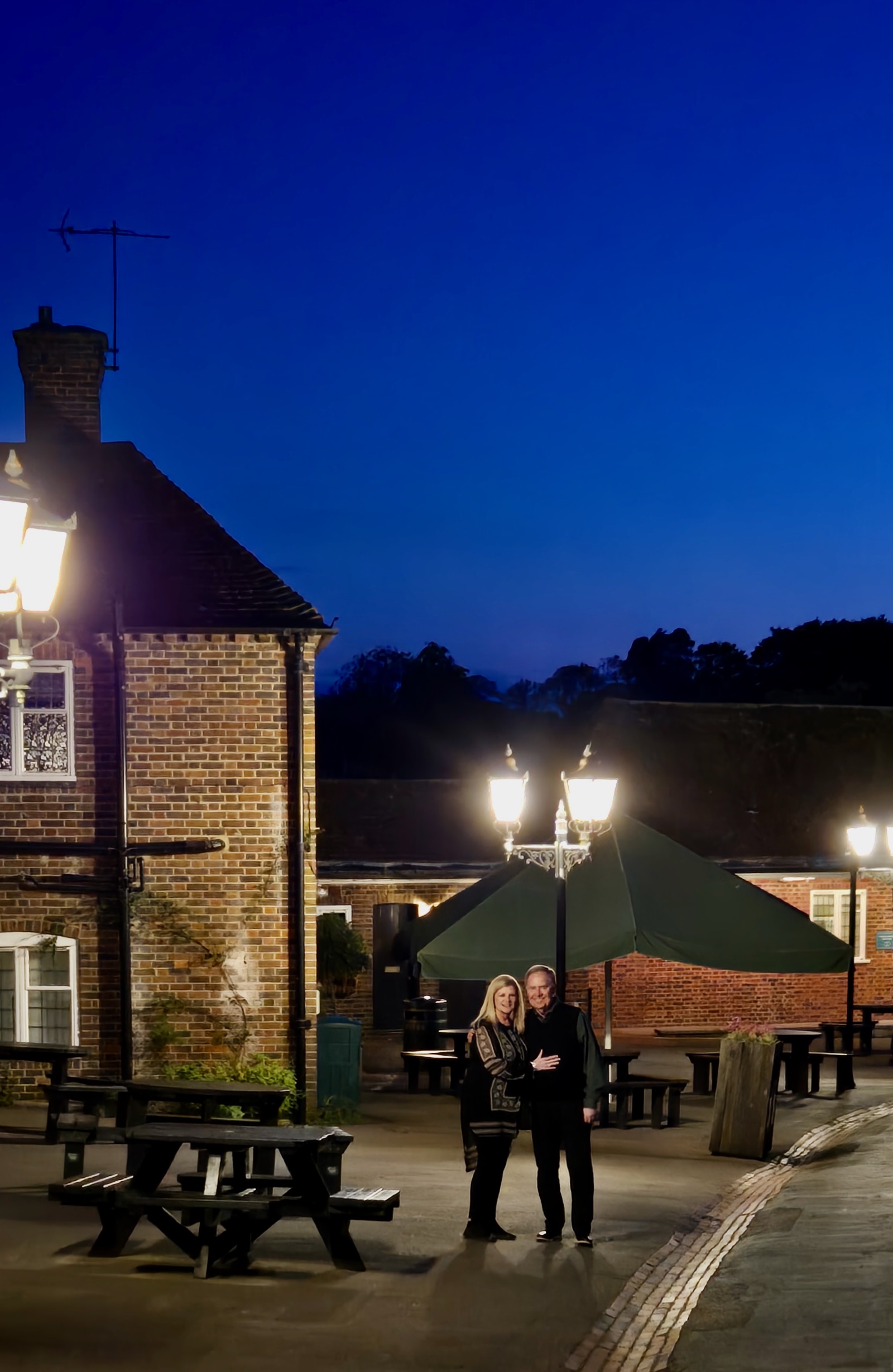
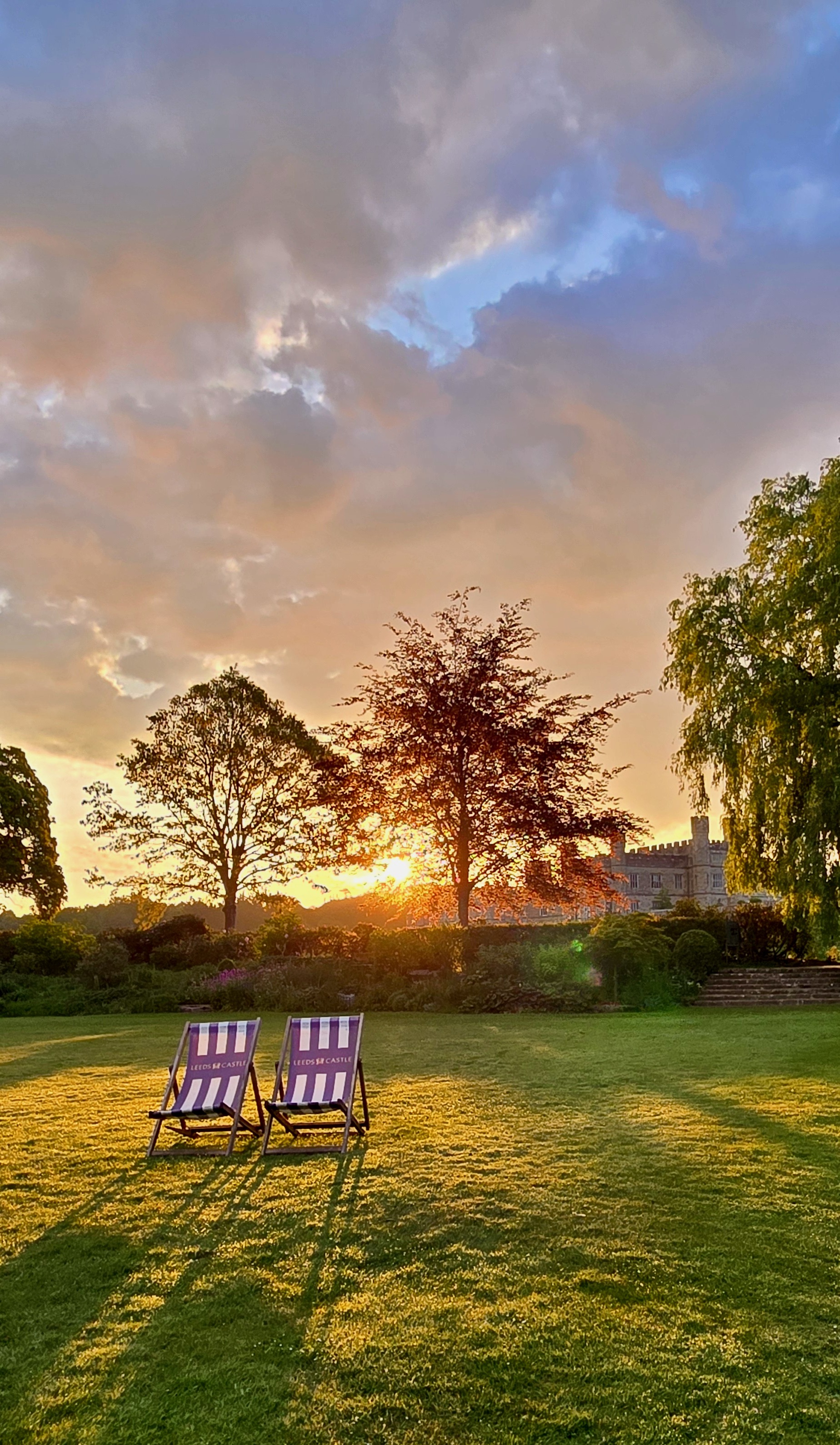
Off to a great night’s sleep but woke early, which gave me the opportunity to wander about the grounds before anyone else was up!
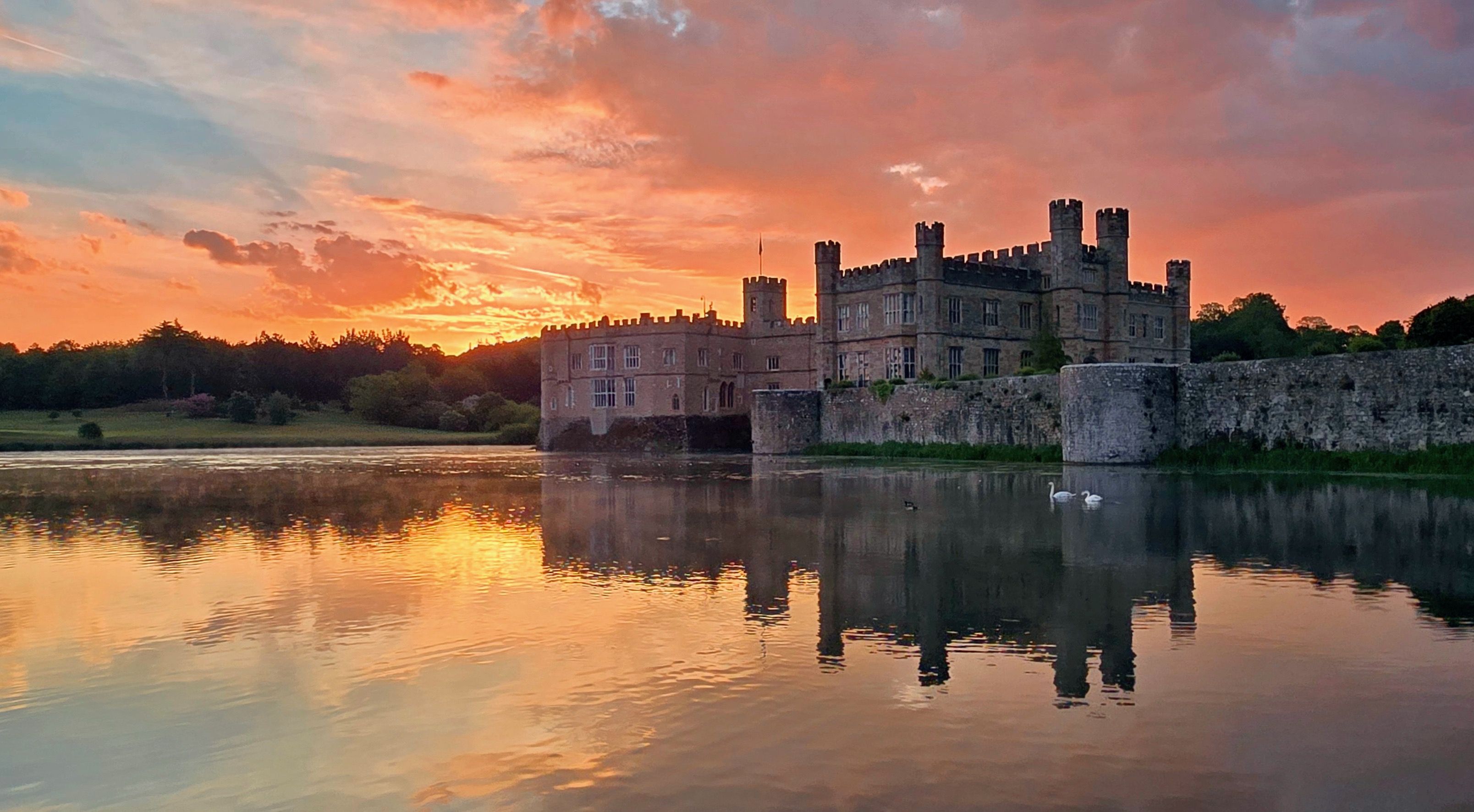
Magical colors of the early morning light.
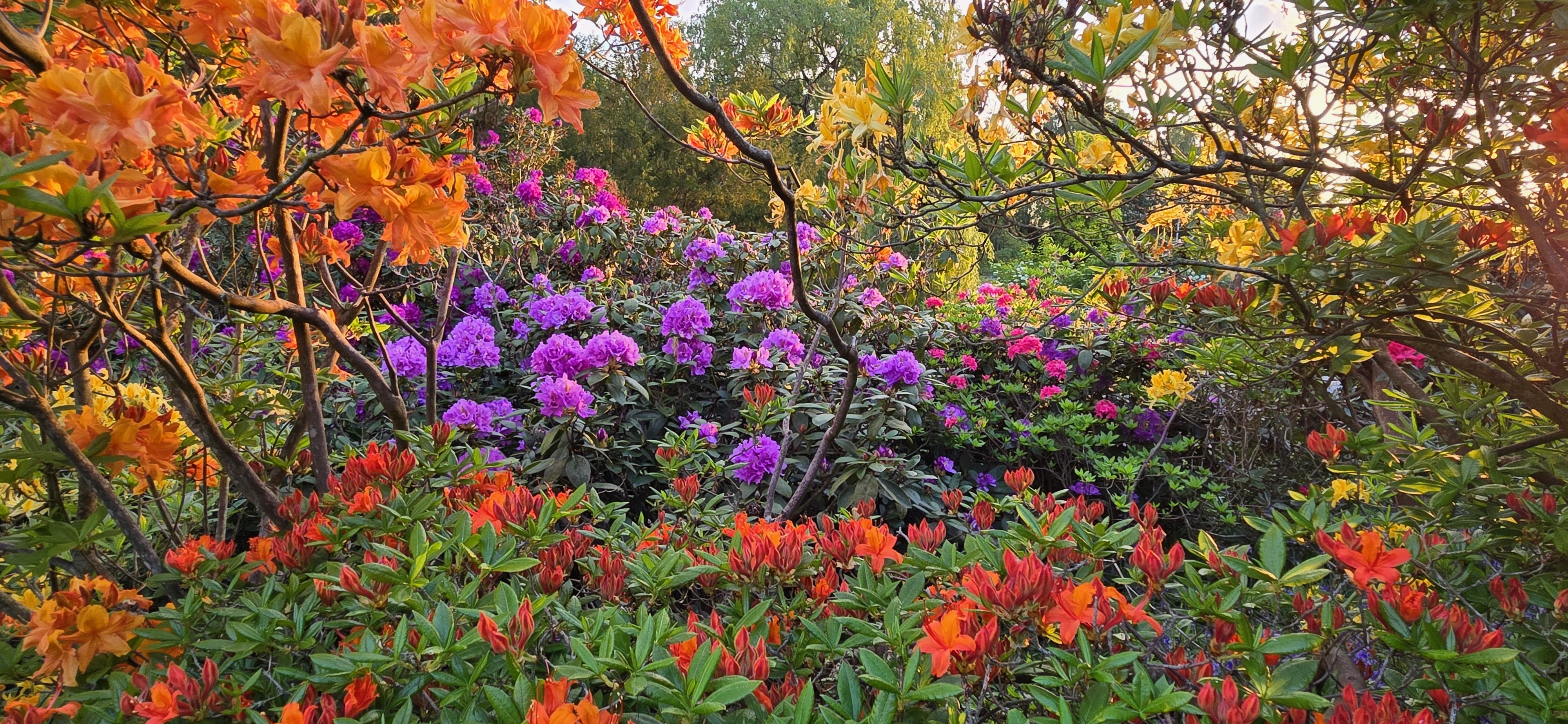
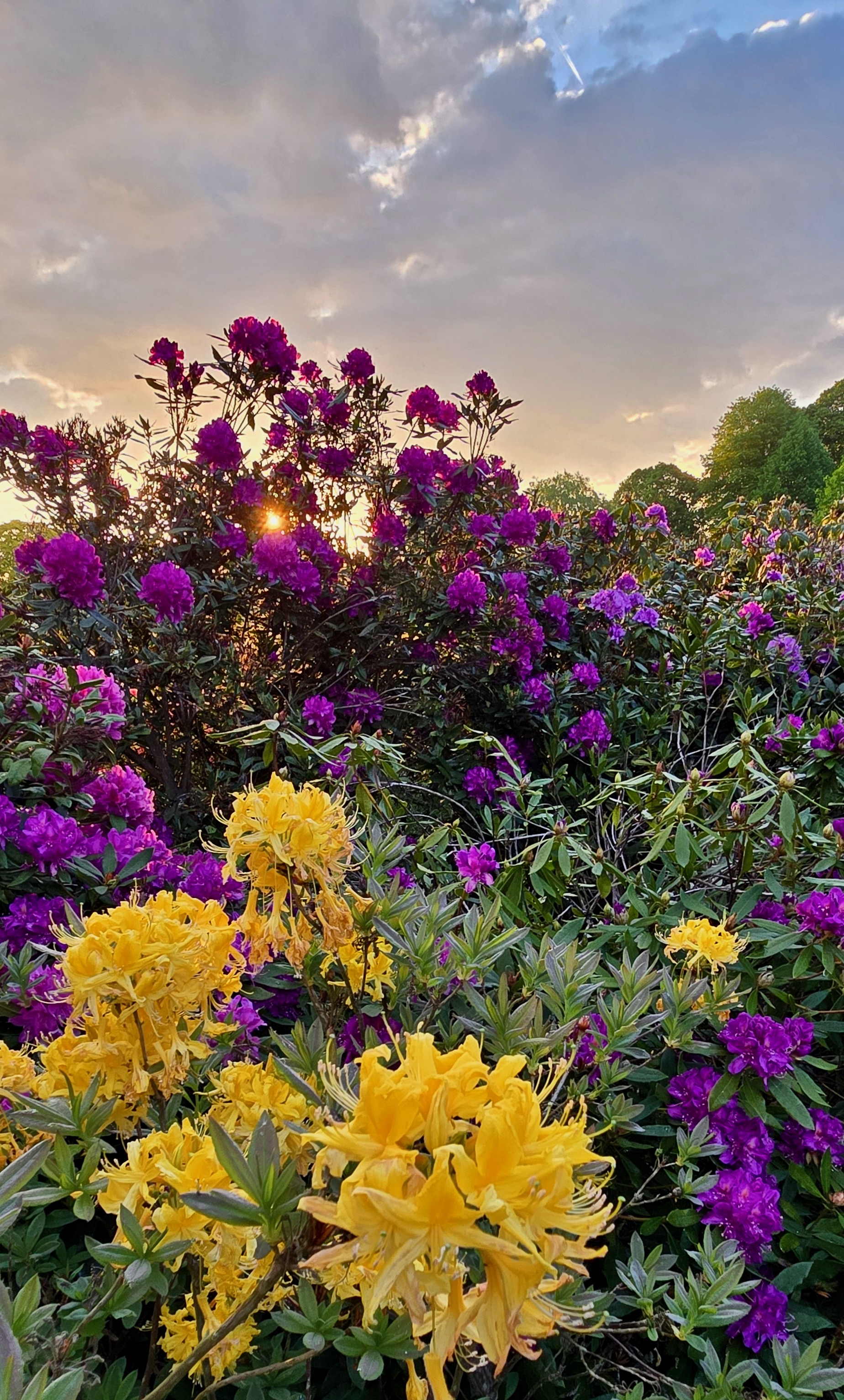
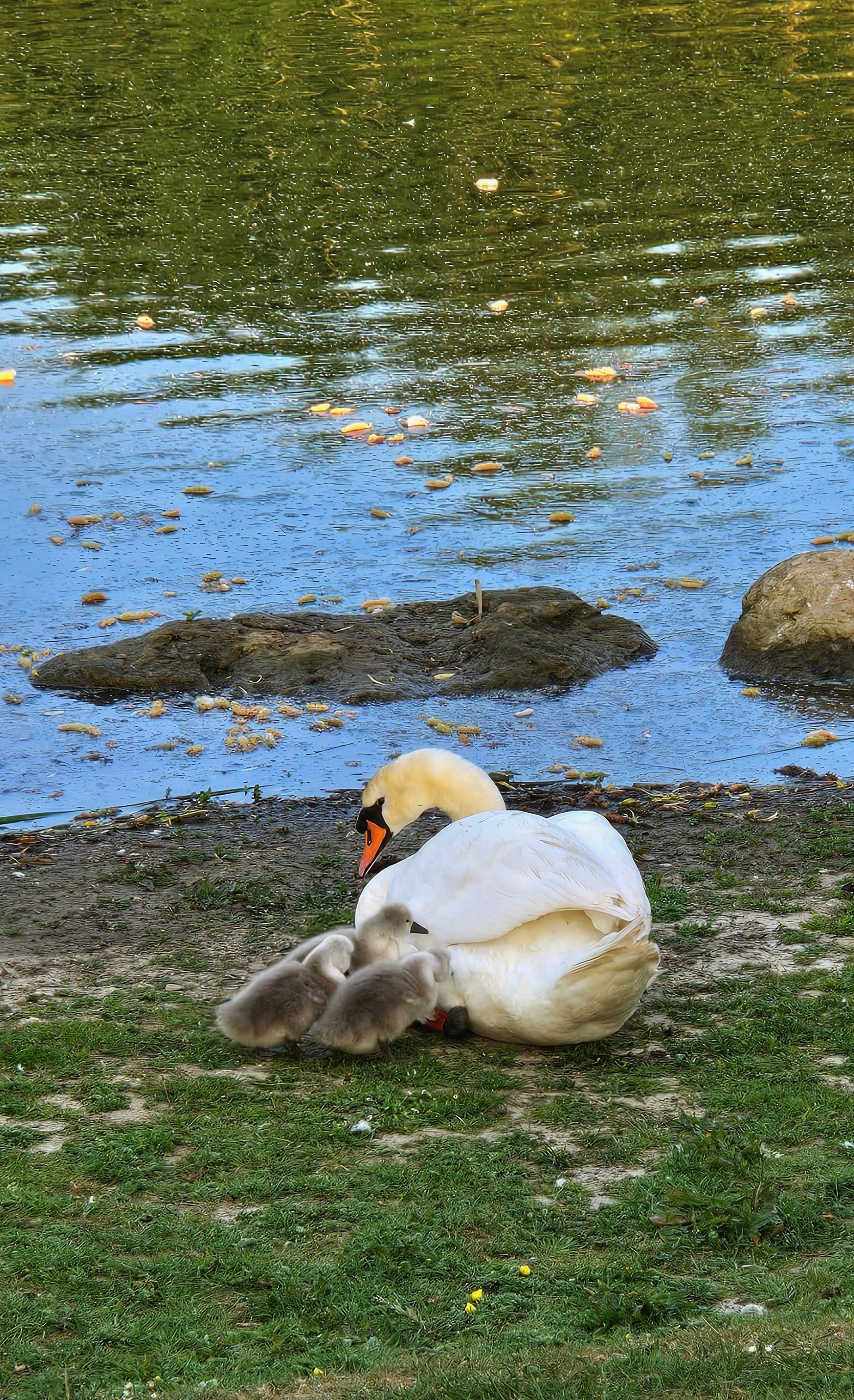
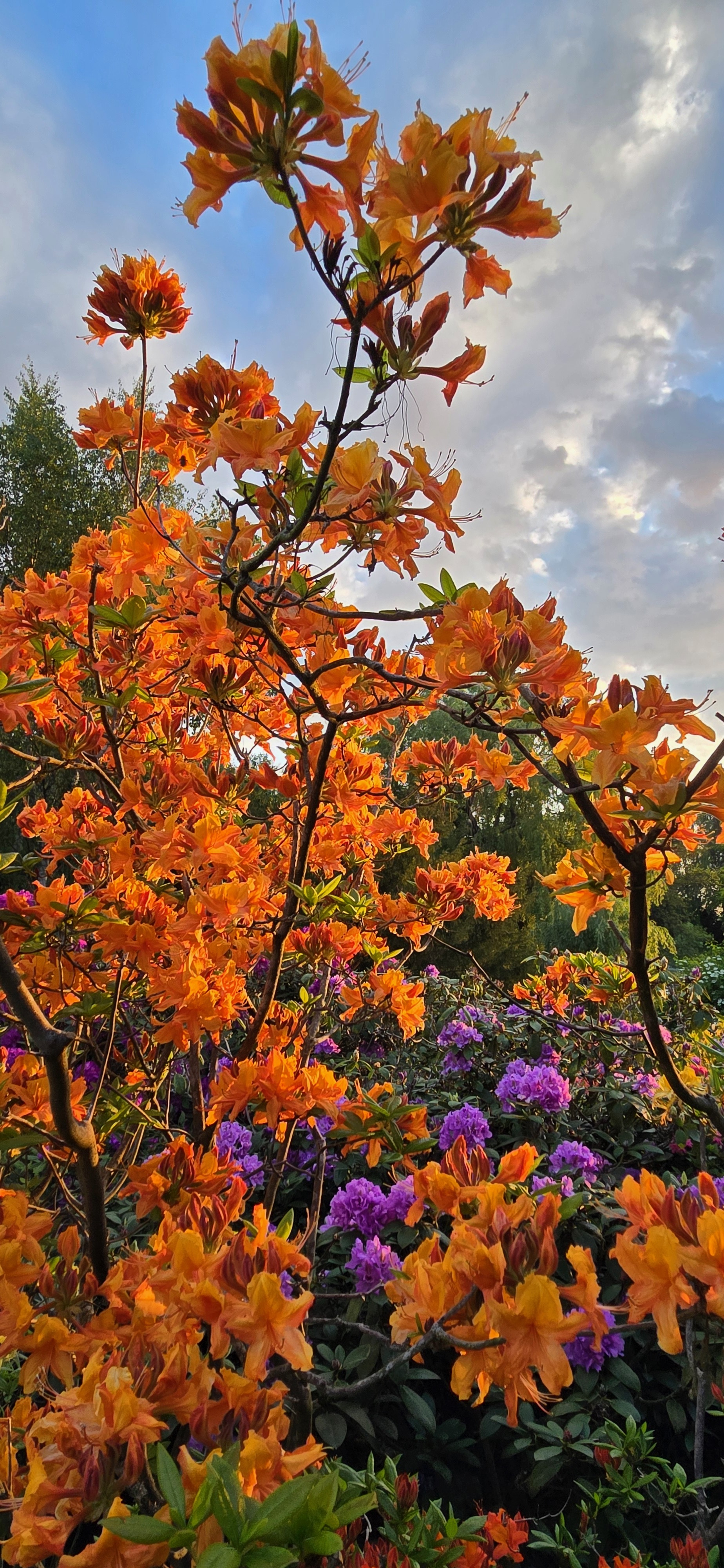
After my morning scramble about the grounds seeing many of my beloved Rhododendrons and Exbury Azaleas. The Exbury azaleas weere hybridized in England but from American deciduous azalea species. I was off to breakfast at the Castle View Restaurant and then for a guided tour of the castle.
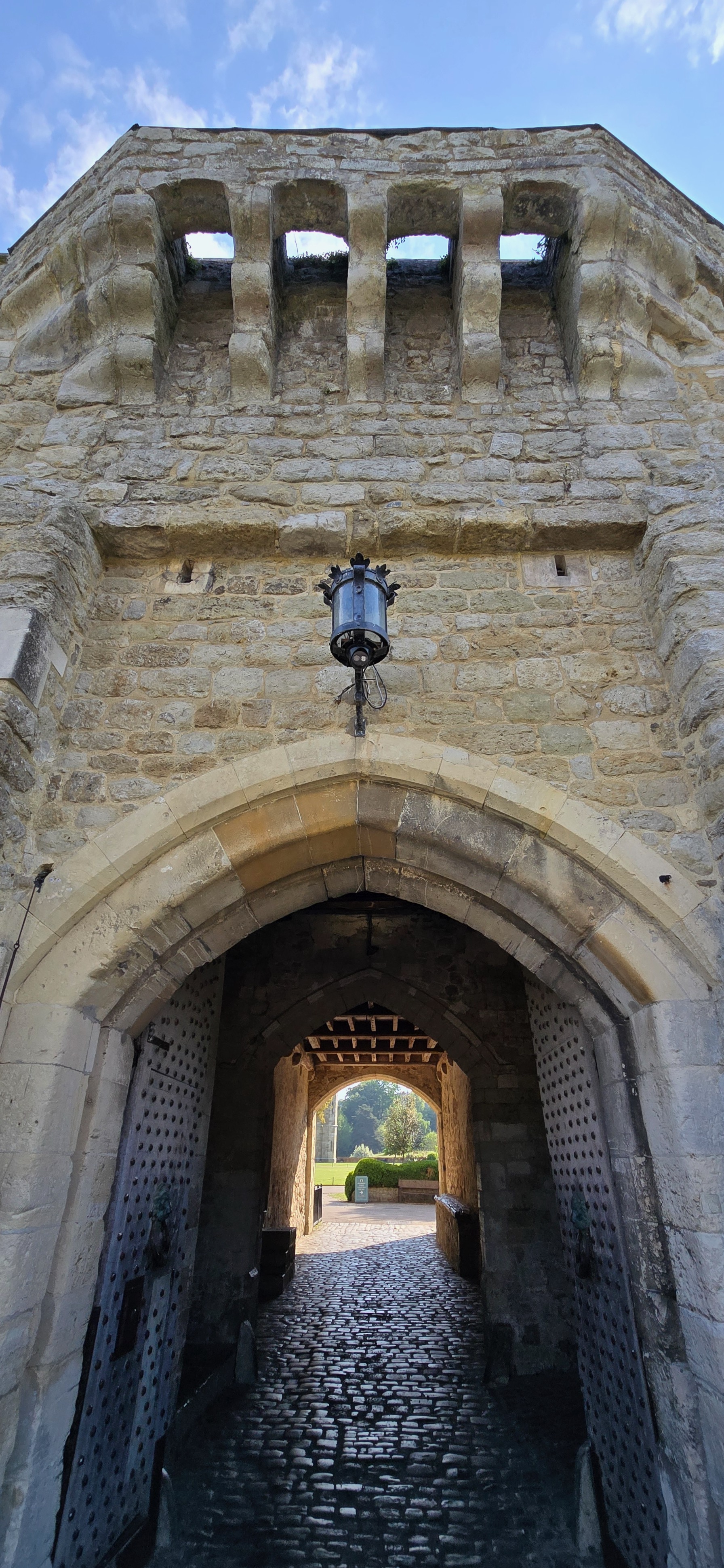
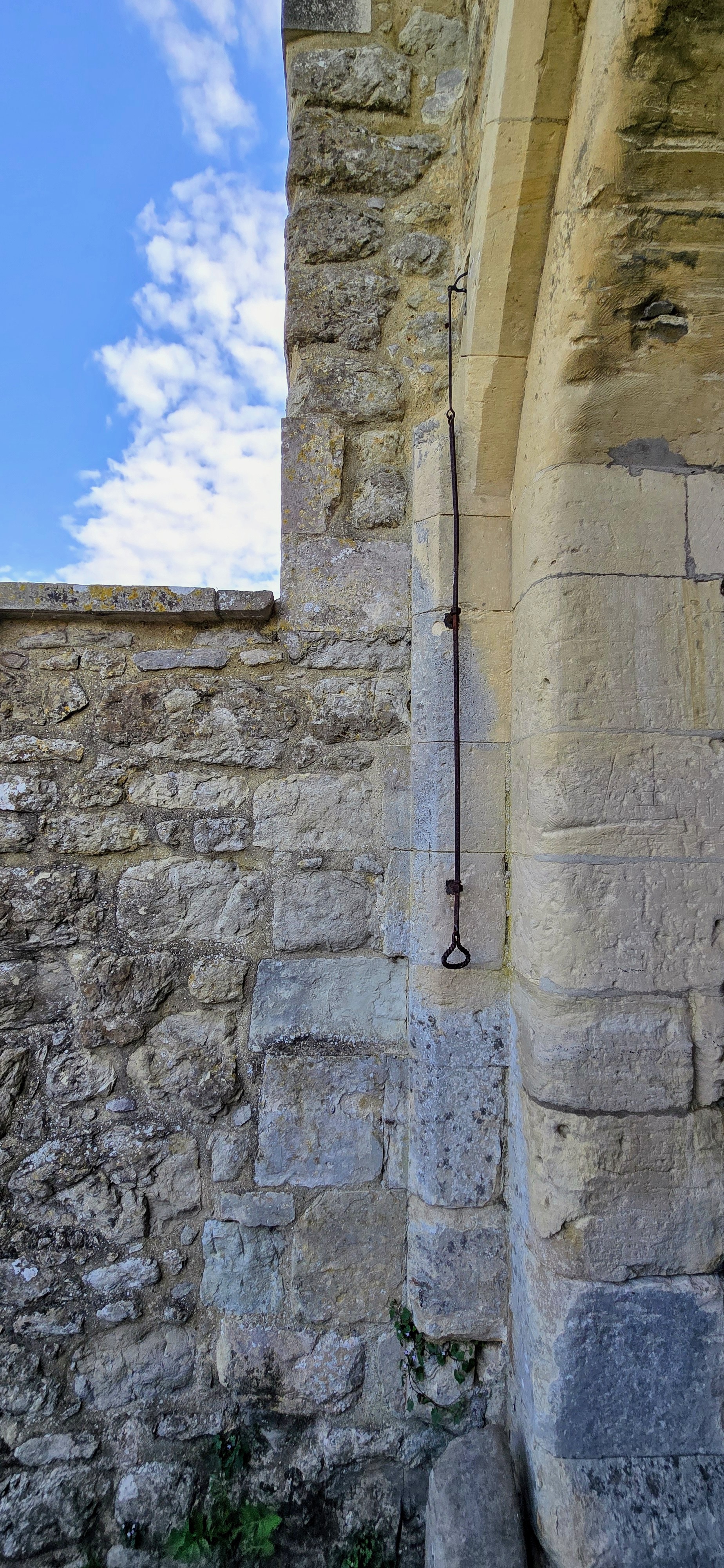
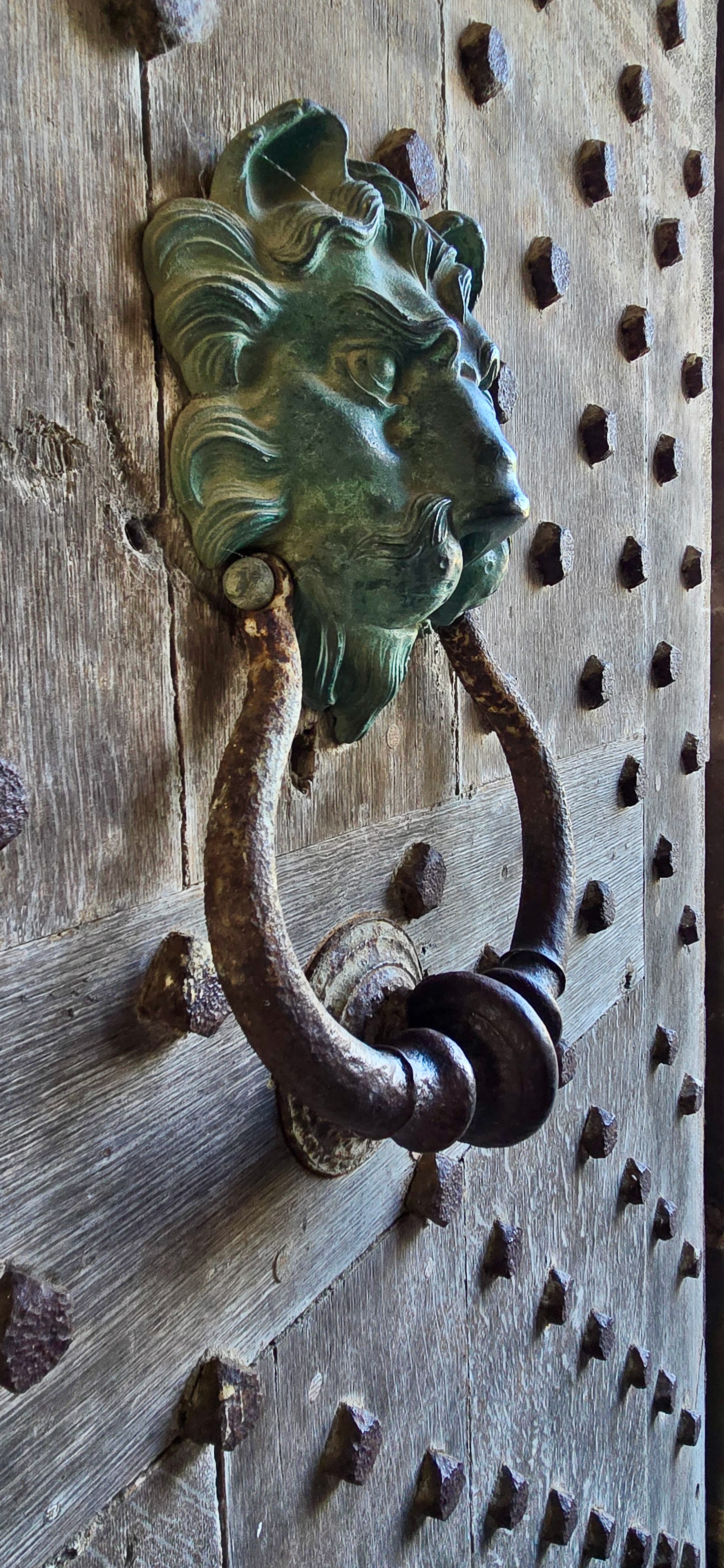
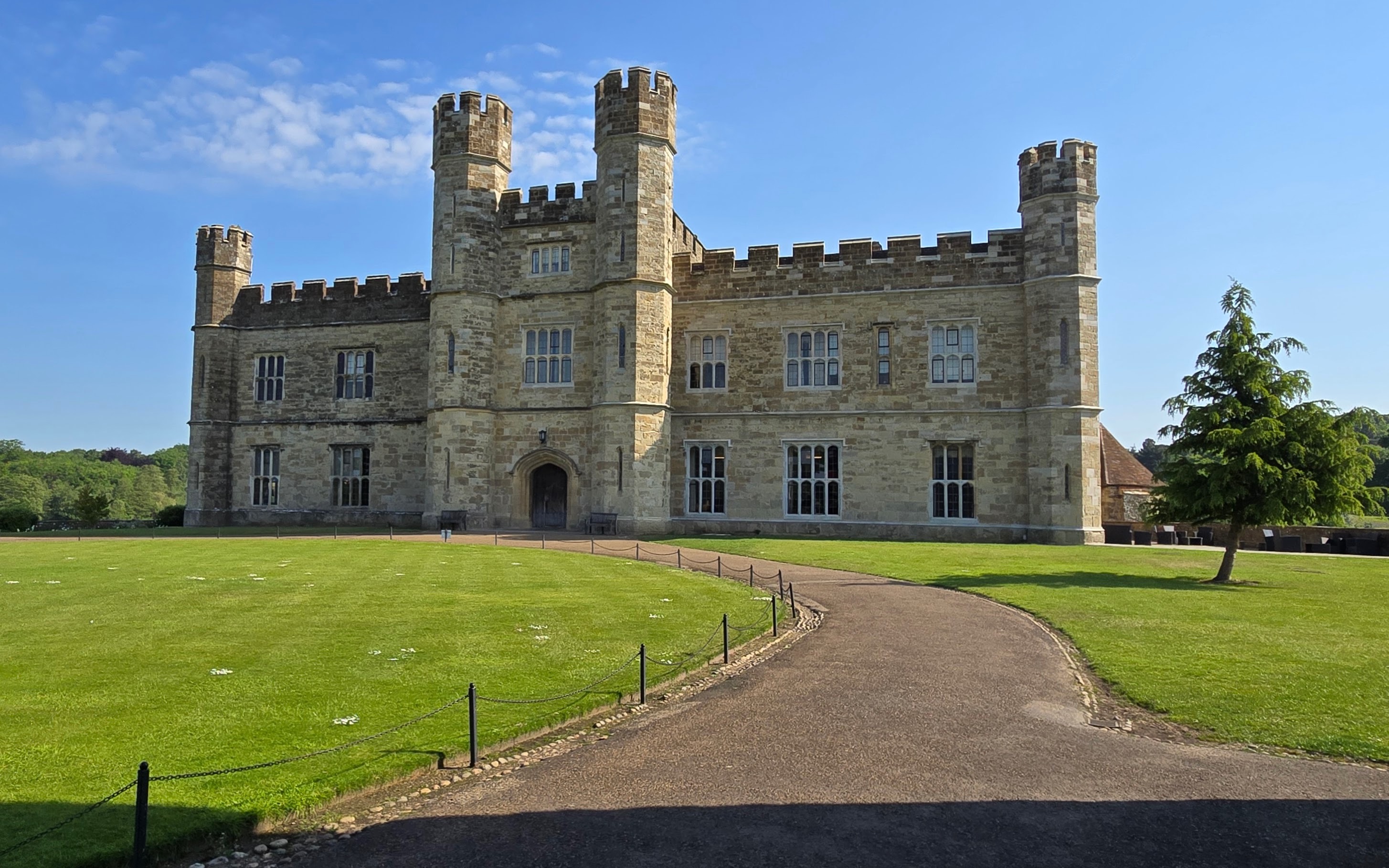
From the front entrance the size and grandeur is less visible than from a distance. Inside is a textural delight. A mix of old a new.
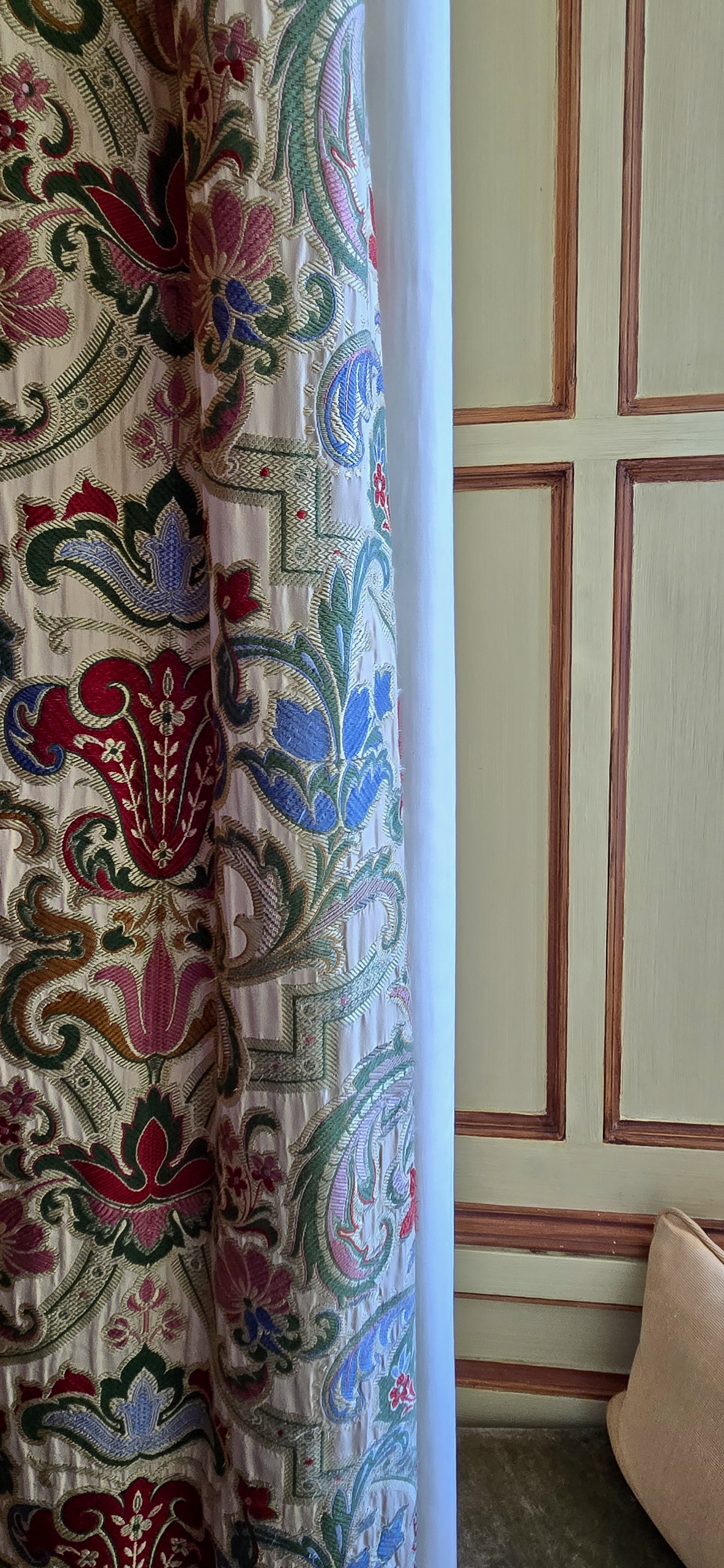
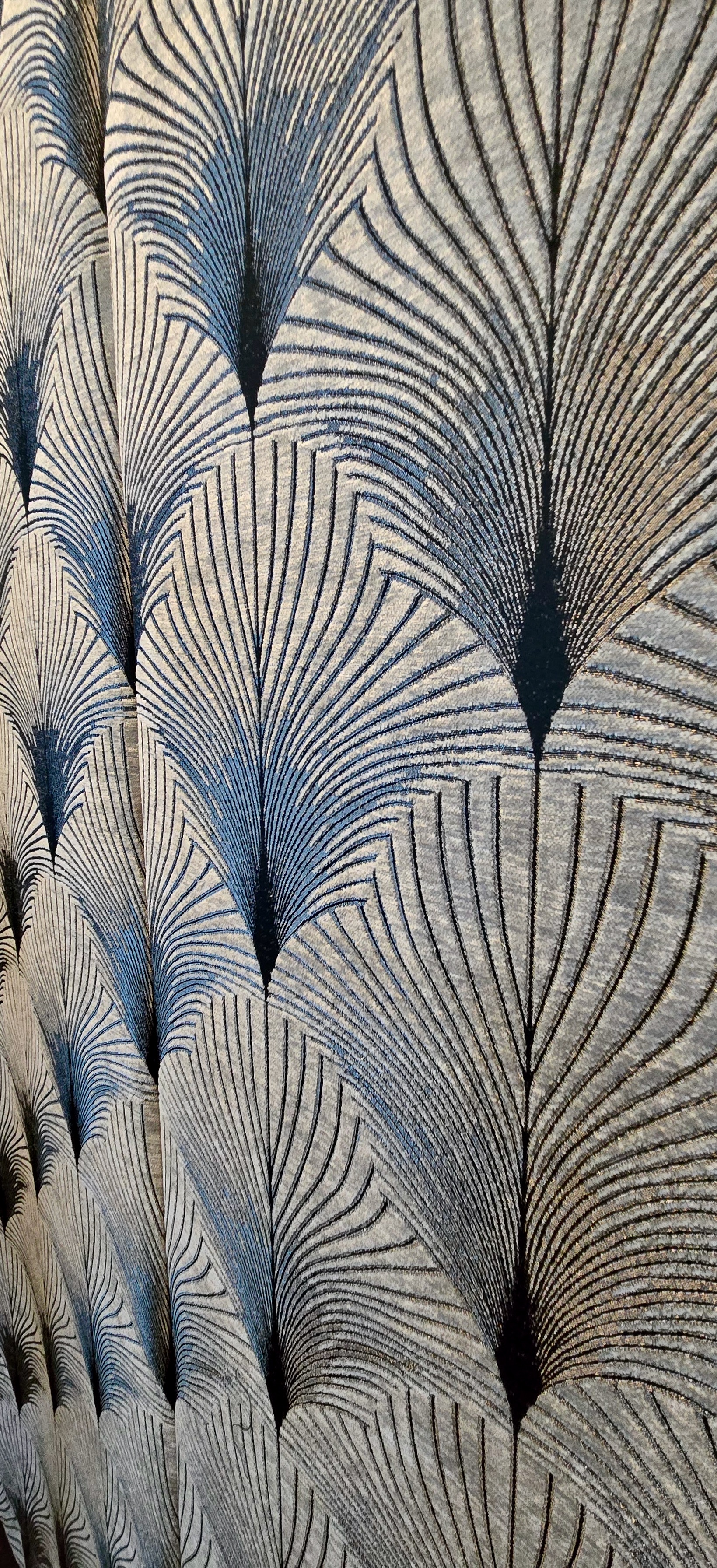
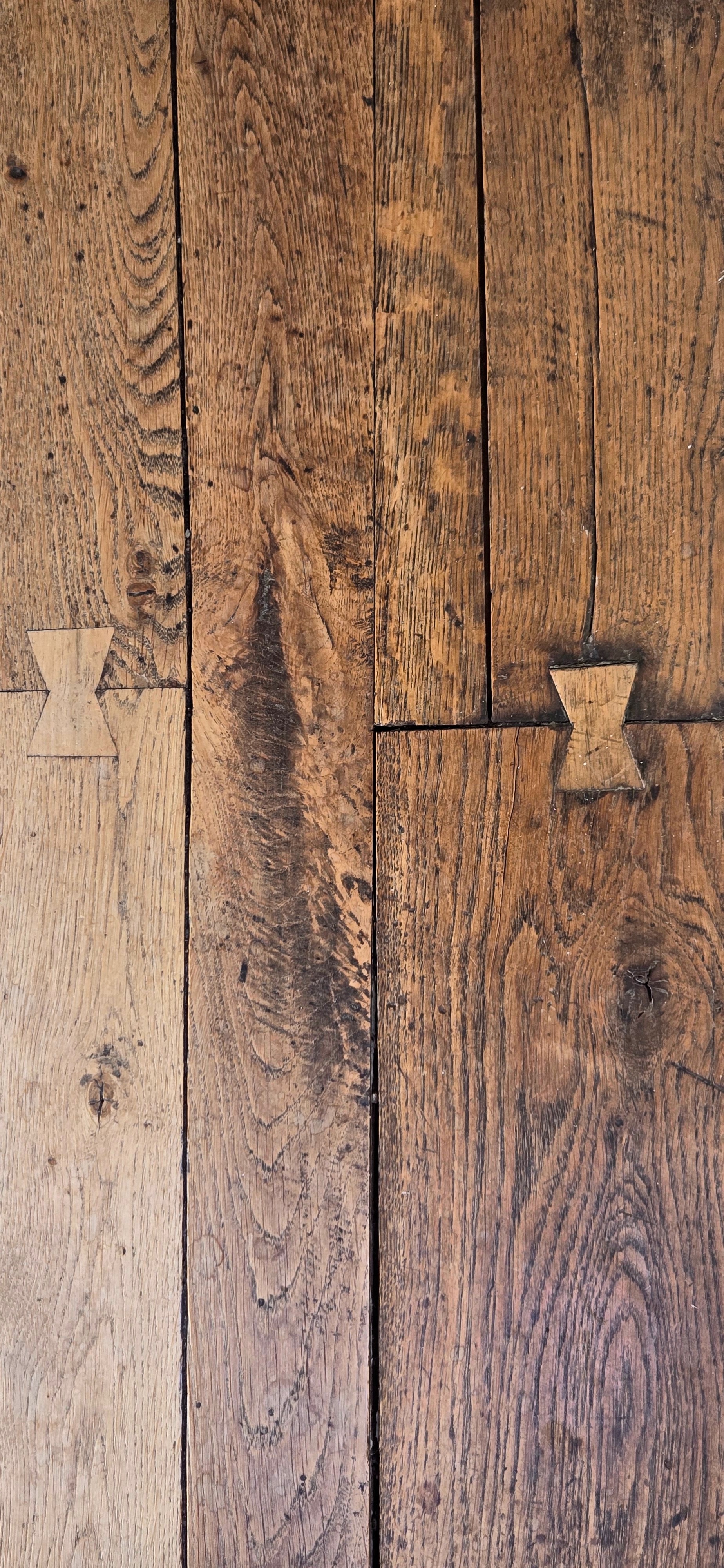
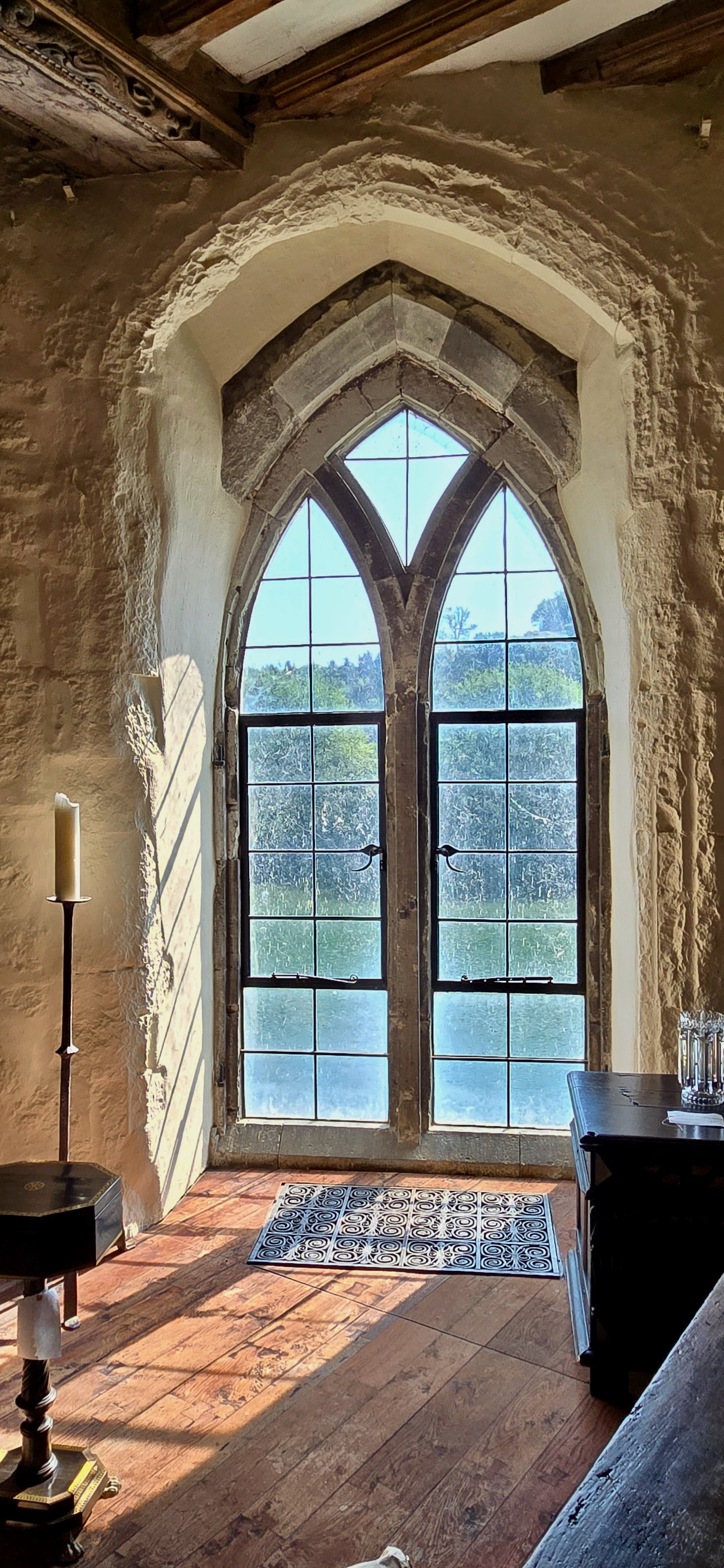
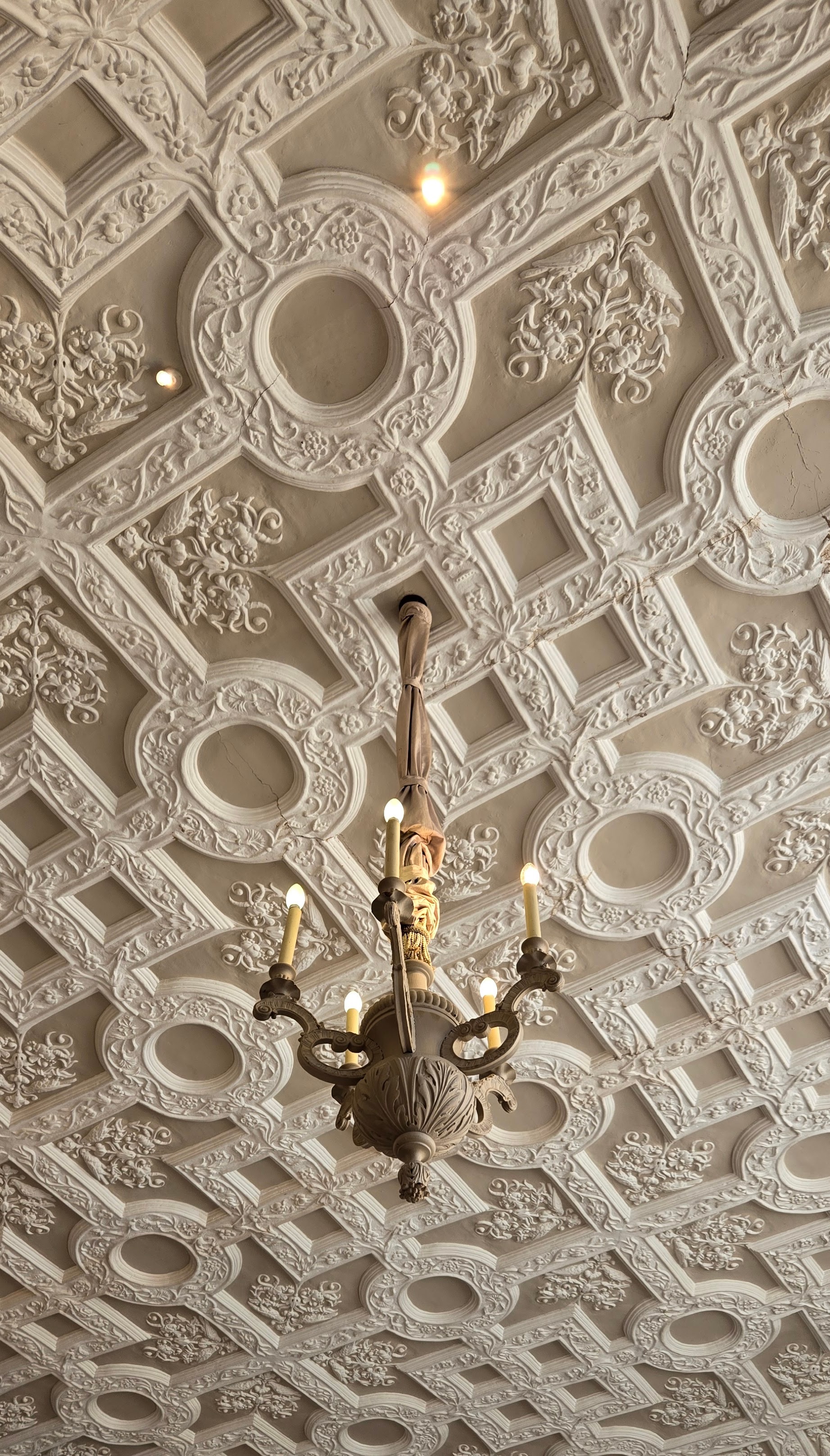
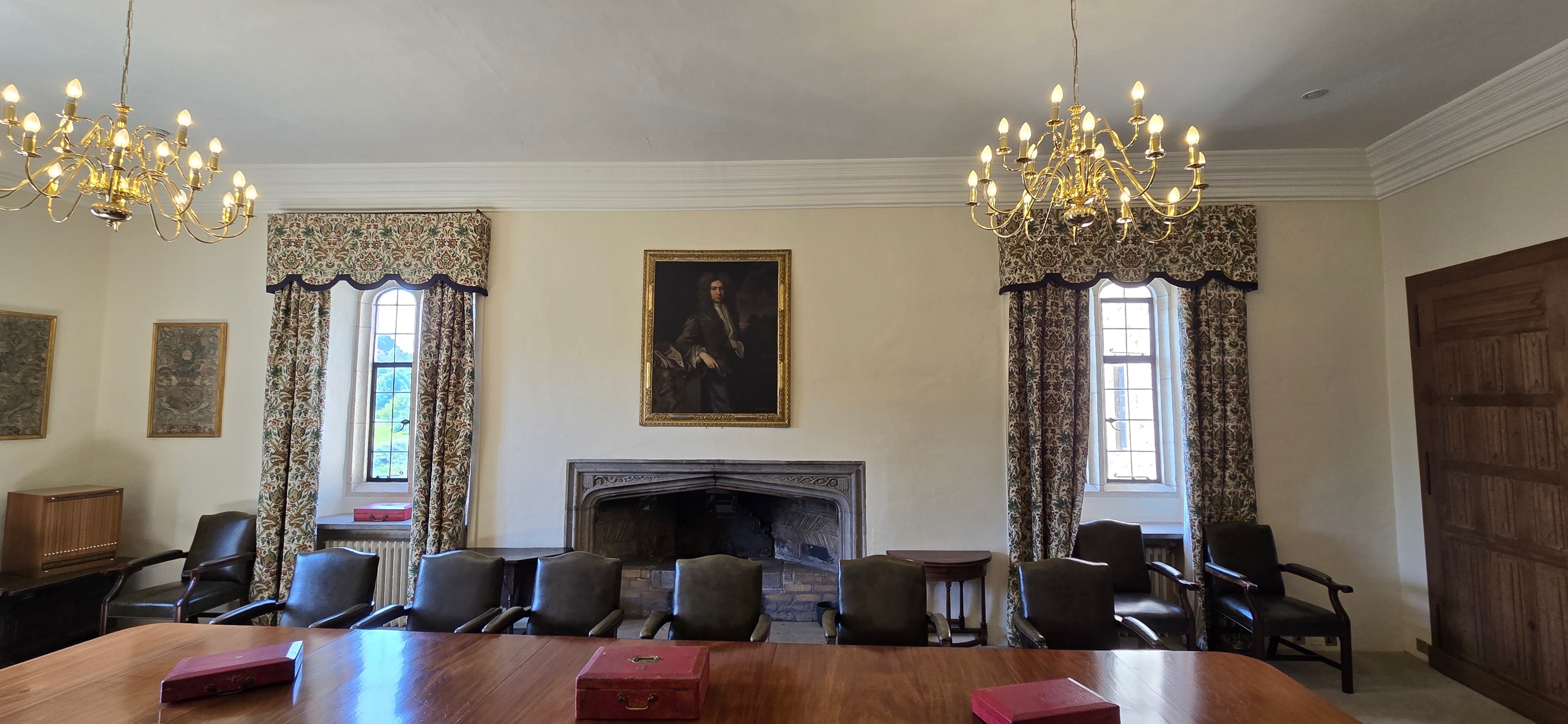
Leeds Castle was host for a significant Middle East summit in 1978 when U.S., Israeli, and Egyptian foreign ministers met eventually leading to the Camp David Accords between Egypt and Israel. This was originally set to happen in London, but was moved to Leeds Castle for security reasons. Summit room top below.
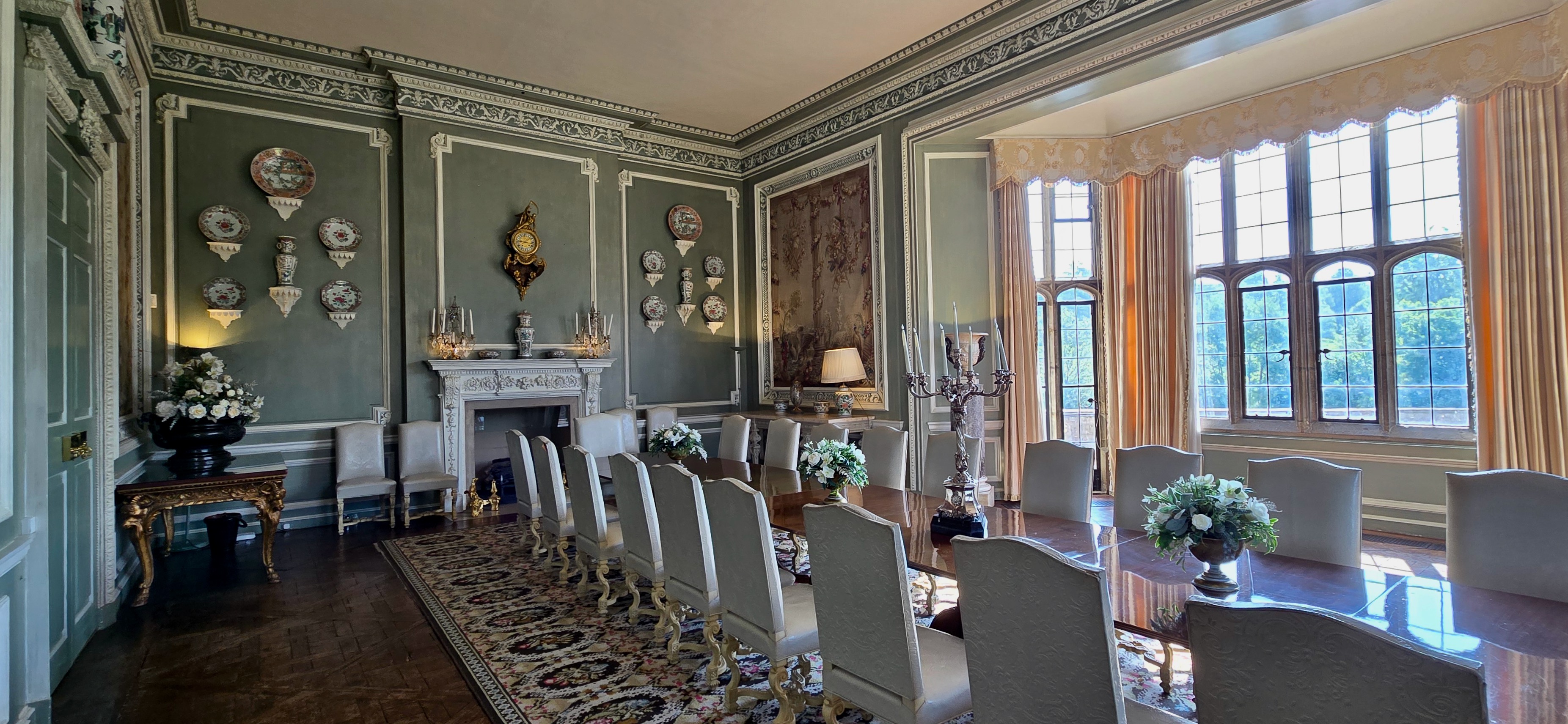
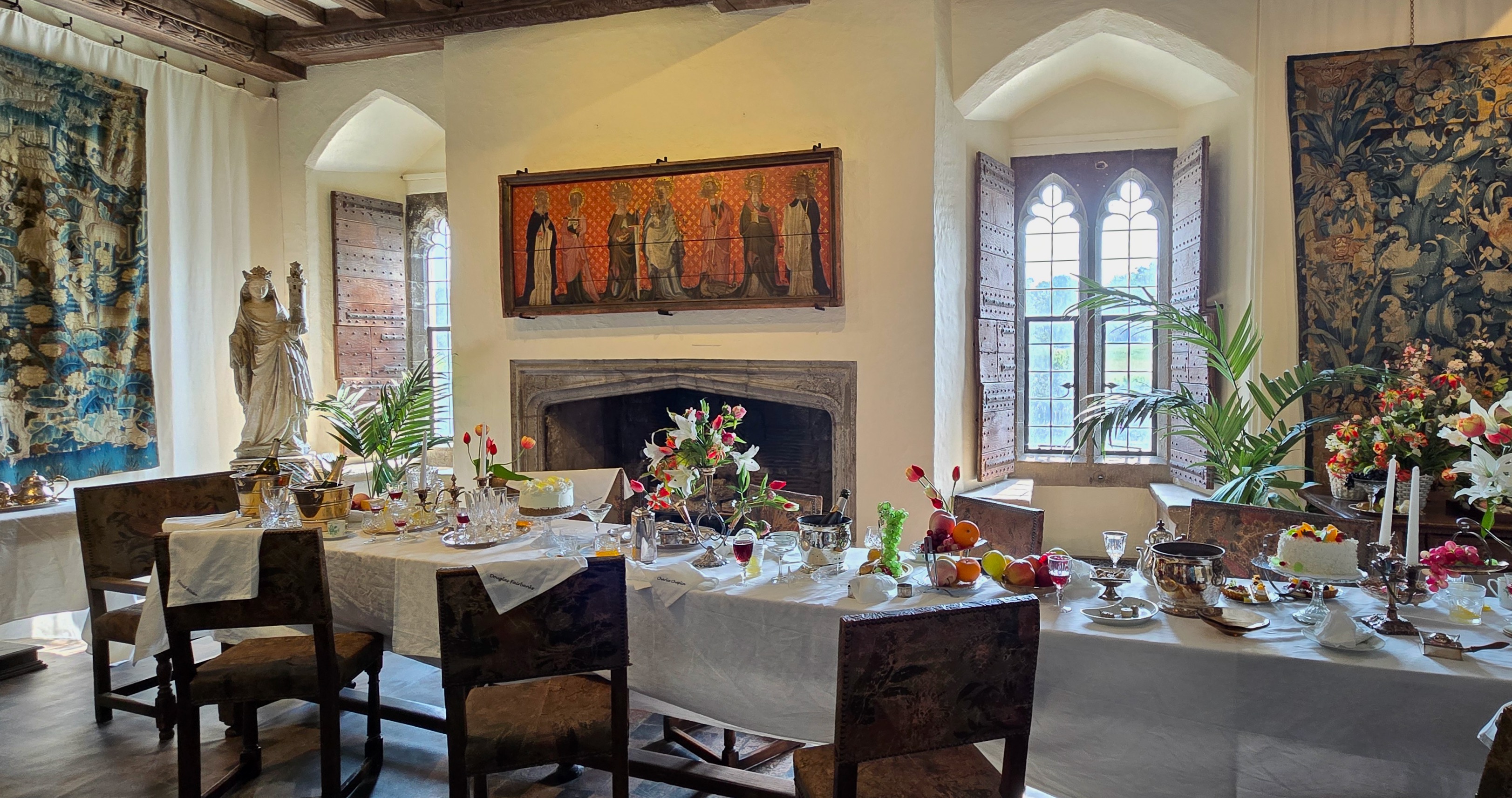
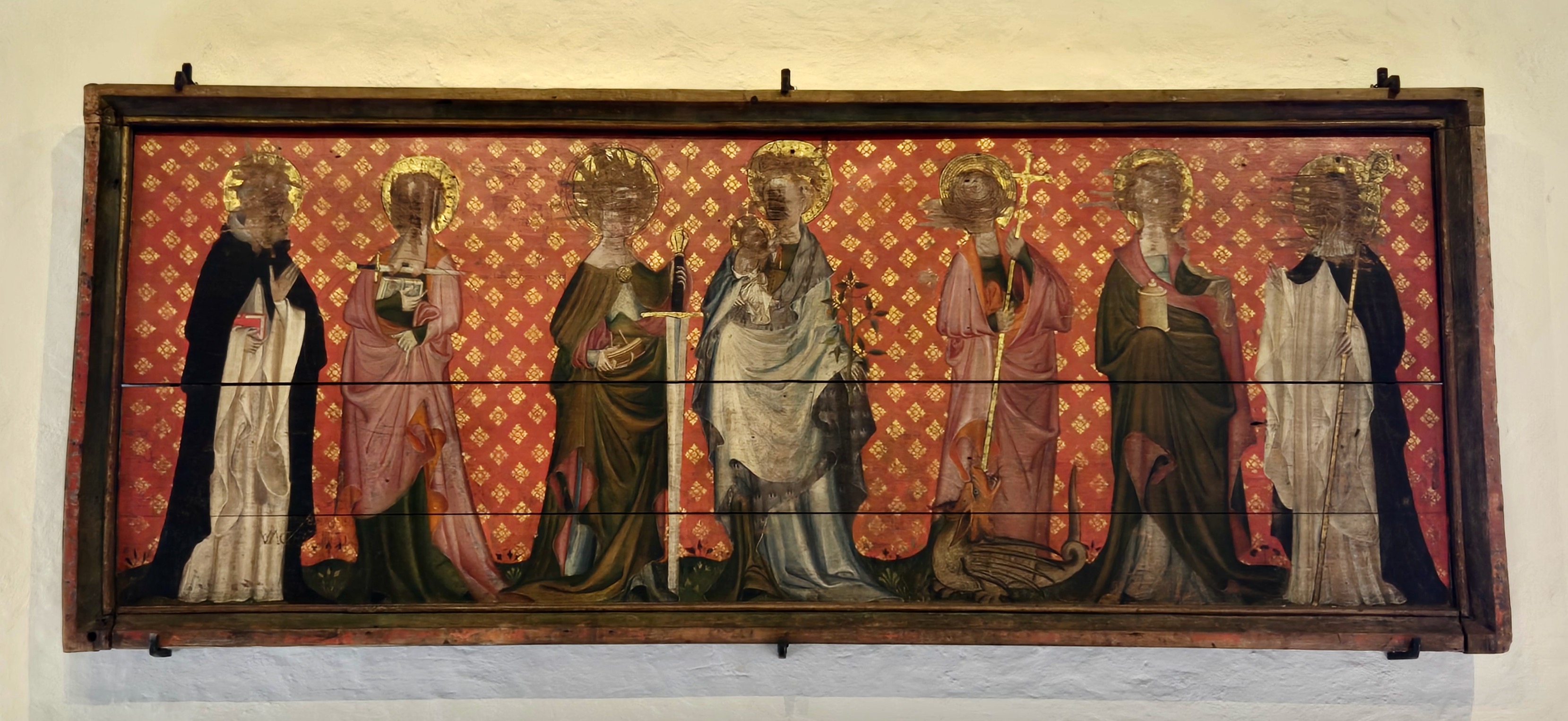
The Dining hall is the home to an “altar piece” dating to about 1410. It shows 7 saints, 6 of whom are women. The gouging of the saints’ faces may have occurred in 1539 following the dissolution of Dartford Priory, a Domincan Nunnery, which is thought to have been the altarpiece’s probable original home.
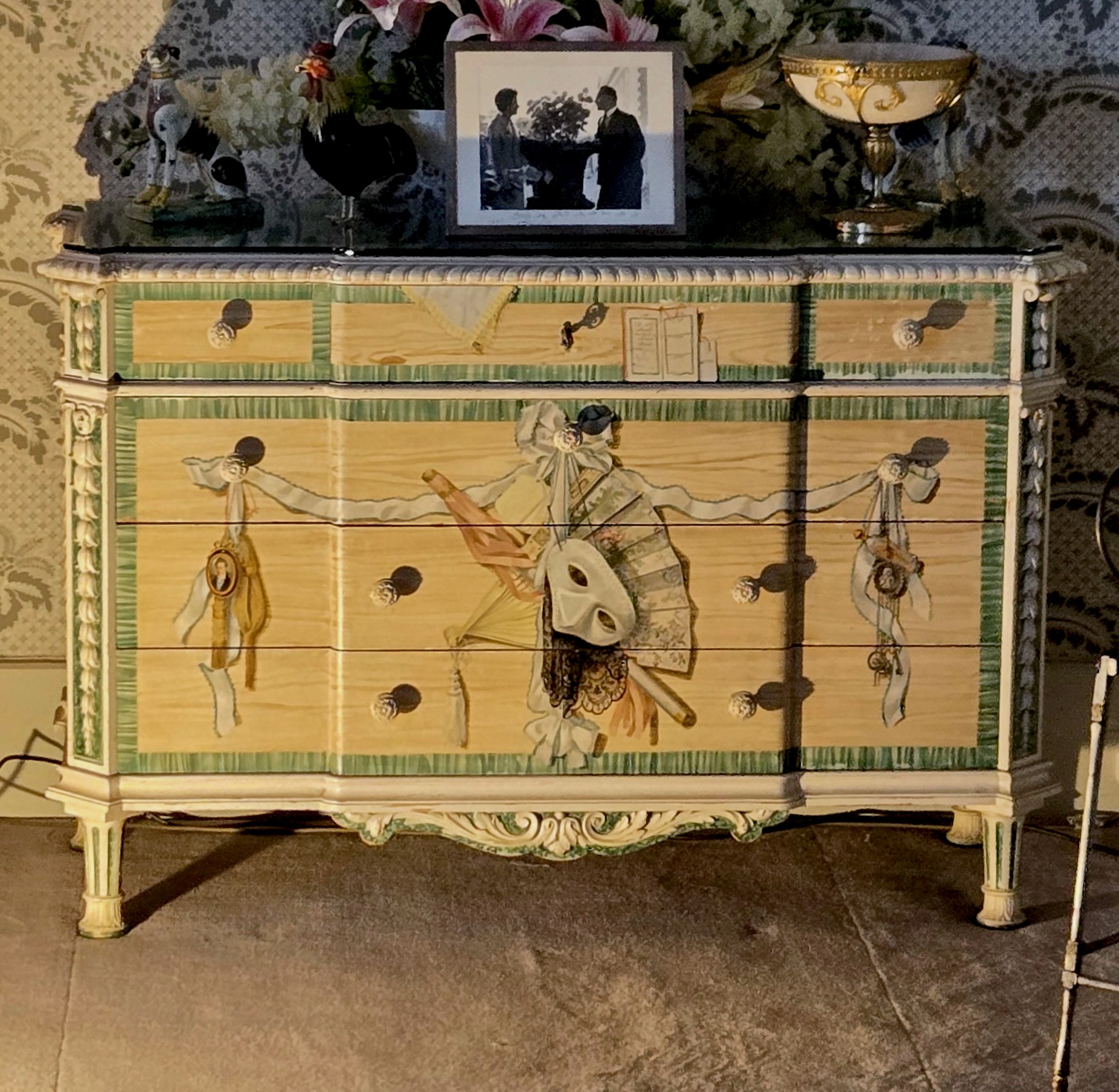
There is much more to see but I was particularly interested in the pieces designed by Stéphan Boudin (1888-1967) Interior designer to for Lady Baillie as seen in above. And know for designing the red Room at the White House for Jacqueline Kennedy. My Room at Leeds Castle was called the Boudin Room. Two pieces below designed by Boudin.
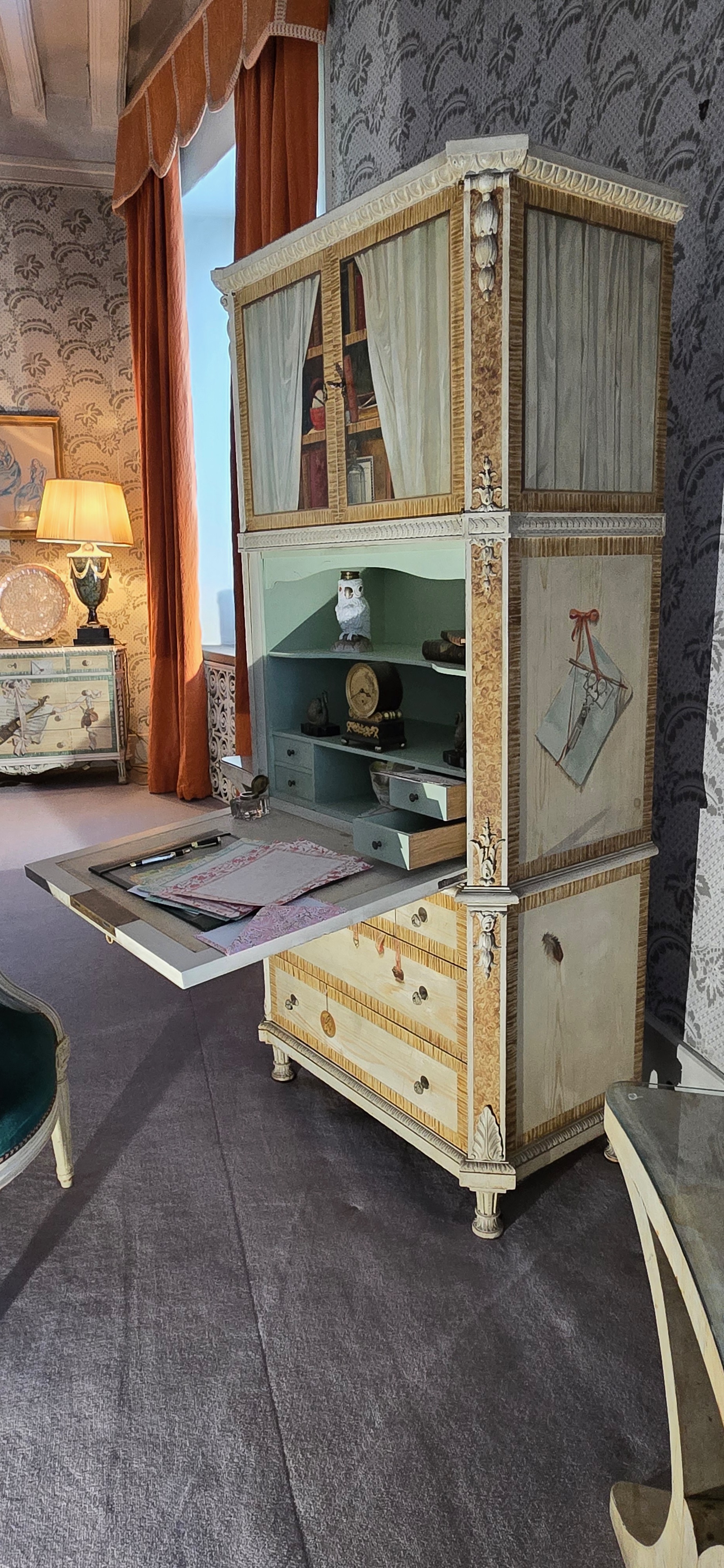
There’s lots more to see, but I will leave it to you to visit the castle and explore further. Next up are visits to the towns of Faversham and Whitstable!
Kelly Wheaton ©2025 – All Rights Reserved
 Wheaton Wood