Deciphering our past Part One: DNA to Decoration—following the trail of one YSNP FGC22501
Introduction
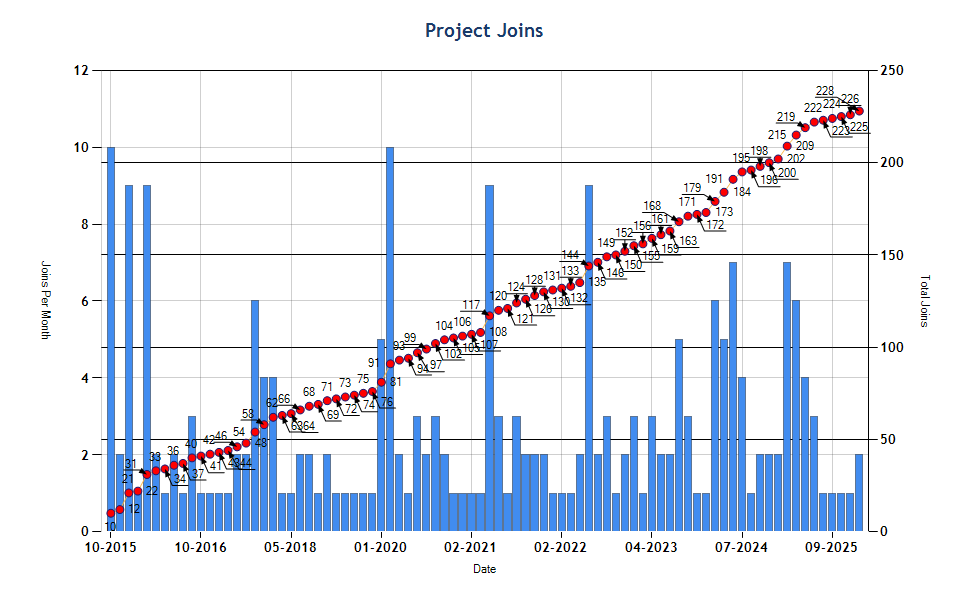
This blog post or what may be a series of blog posts is a collaboration of Vanessa Van der Beke and myself. She has done a lot of the heavy lifting research wise in often esoteric old texts. It has been an unexpected journey that I don’t think we could have ever imagined. You may wish to read some of the earlier posts on this page. To make a long story short my husband did a Full Genome Corporation Y Elite DNA test in 2014. In his sample a series of Y-SNPS (aka mutations) were newly discovered and named. They are FGC22500-FGC22550. The most important to our work was the SNP FGC22501. The R-U152-FGC22501: Celtic U152/L2/FGC22501 and subclades project was approved in October of 2015 and has grown to over 225 members nearly 11 years later.
At the time we had no idea where this SNP would lead us. We were very fortunate that the sequencing of ancient human skeletons led to an early match with one of the so-called Headless Roman Gladiators in the town of York, England. This individual known as 6Drif-22 was dated at about about 100-400 AD and back in 2016 this individual was the only ancient to share the SNP FGC22501 —his closest population affinity was with Belgium. Vanessa calls Belgium home and her family goes Van der Beke, comes from the royal family of the House of Ardennes with Wigeric’s son Gozlin (911–942/43) the dynasty’s ancestor and carrier of the FGC22501 SNP. More on that later.
Following the YDNA via YSNPS
The SNP path of FGC22501 is as follows roughly (TIMELINE within R1b):
- M173 SNP c. 20,000 BCE
- M343 c. 17,000 BCE R1b (very pervasive carried by over 110 Million men)
- U152 c. 2700 BCE
- L2 c. 2500 BCE
- FGC22501 2450 BCE (the most recent discoveries may ous this date earlier)
The next discoveries that pushed us back from 6Drif-22 Roman age skeleton in York, England to an individual of the Únětice Culture from Jinonice , Prague 5, Czech Republic named I7202 dated 2200–1700 BCE. It is important to note that even at this early date Celtic tribes represented many different YDNA lines within the R1b umbrella. The core Western European subclade, splits into the two dominant branches: P312 and U106 . P312 (S116): Extremely is common in France, Iberia (Spain/Portugal), and the British Isles. These are the major subclades, with our own FGC22501 falling under U152>L2 .
- L21 (M529): Common in the British Isles (Ireland, Scotland, Wales, Brittany).
- DF27 (S250): Dominant in Iberia and the Basque region.
- U152 (S28): Prevalent in the Alpine region and Northern Italy, often associated with Italics and Celts.
- U106 (S21): Prevalent in the Netherlands, Northern Germany, and Scandinavia, strongly associated with Germanic tribes
Although a subclade may be prevalent in certain areas other subclades are often well represented too. Humankind has been mixing it up for a very long time. So we have called FGC22501 a Celtic SNP but it has lots of company and going back in time it will be preceded with other cultures, not just Celtic. We got lucky and a few more FGC22501 skeletons were discovered within a 50 mile radius of Prague and representing somewhat more recent individuals from Radosevice cemetary dated c309-190 BCE named 21736 Hrobcice, I15951 Radosevice, and I14984 Radosevice. Then was added I18837 Széles földek, Hungary c320-200 BCE. And more recently we have 4 new individuals I38966, I39176, I39356, I39358 from the Karain Cave in Turkey. To place them in order of age see table below. So with these new samples we are able to reach back between 5000-7000 years just based on a YDNA SNP discovered originally in my husband.
| Name | Location | Age | Period | Notes |
| I38966 | Karain cave, Turkey | Details to be announced | ? | FGC22501 |
| I39176 | Karain cave, Turkey | ? | ? | FGC22501 |
| I39356 | Karain cave, Turkey | ? | ? | FGC22501 |
| I39358 | Karain cave, Turkey | ? | ? | FGC22501 |
| I7202 | Prague 5, Jinonice, Zahradnictví, Czech | 2200–1700 BCE | Bronze Age | Únětice Culture FGC22500 |
| I14984 | Radosevice, Teplice, Czech | 330–280 BCE | Iron Age | La Tene; FGC22538 > FGC22516 |
| I15951 | Radosevice, Teplice, Czech | 290-250 BCE | Iron Age | La Tene; FGC22538 |
| 18837 | Széles földek, Sopron, Hungary | 320-200 BCE | Iron Age | La Tene FGC22538> PAGES00073 |
Symbol of Interest: Sun Wheel or Halo Cross
Dating back over 4,500 years, the Royal Game of Ur was Excavated in the 1920s by Sir Leonard Woolley in the Royal Tombs of Ur (now Iraq). The rules of the game were lost for centuries but were deciphered by British Museum curator Irving Finkel from a cuneiform tablet from 177 BCE. This is the first know instance of a curious symbol that has been interpreted with many meanings. Here is a wikipedia photo From the British museum:
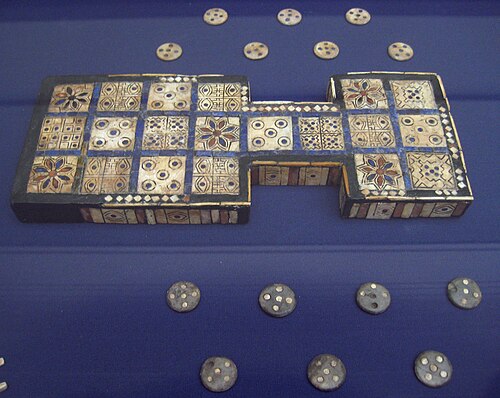
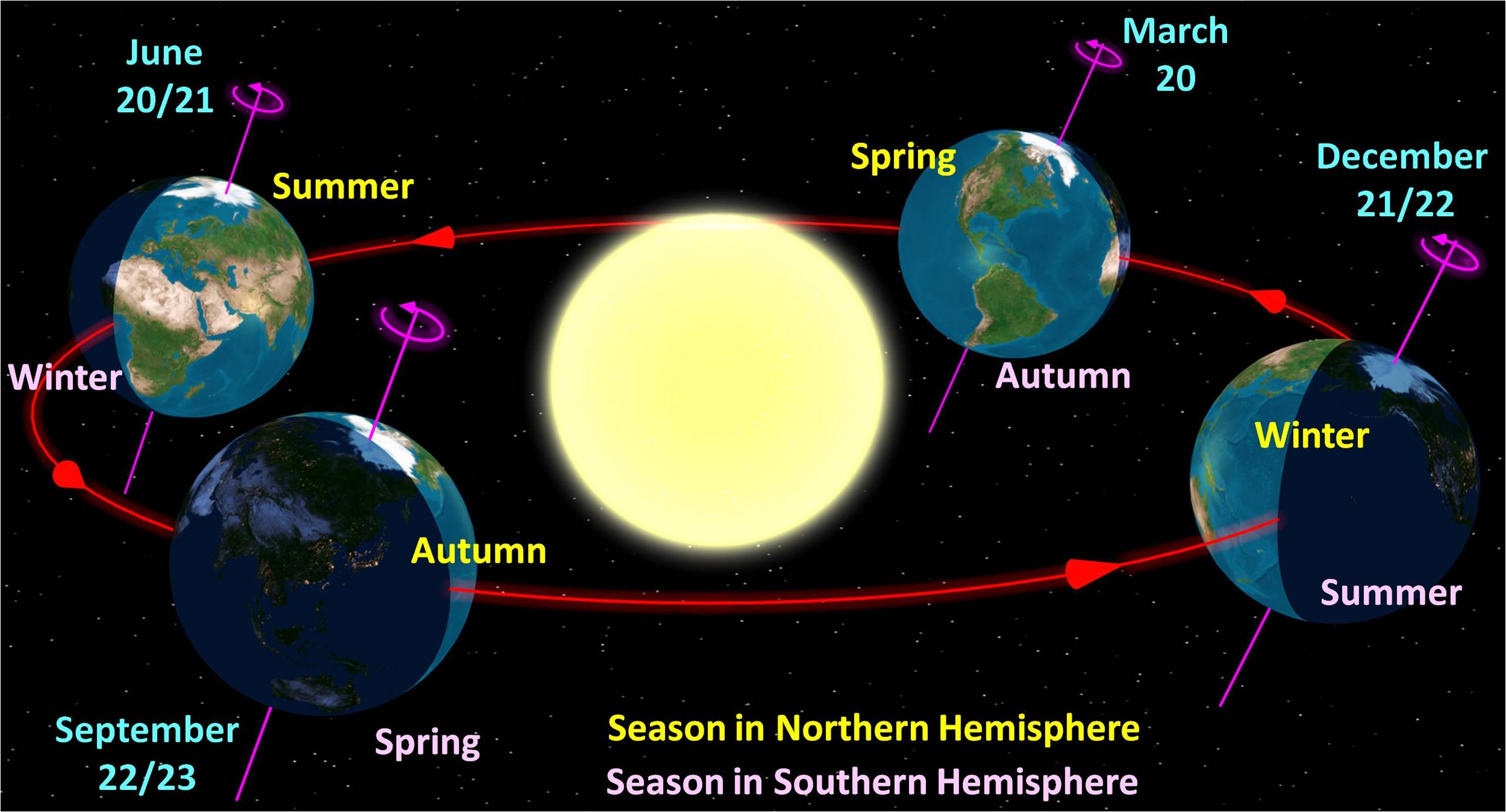
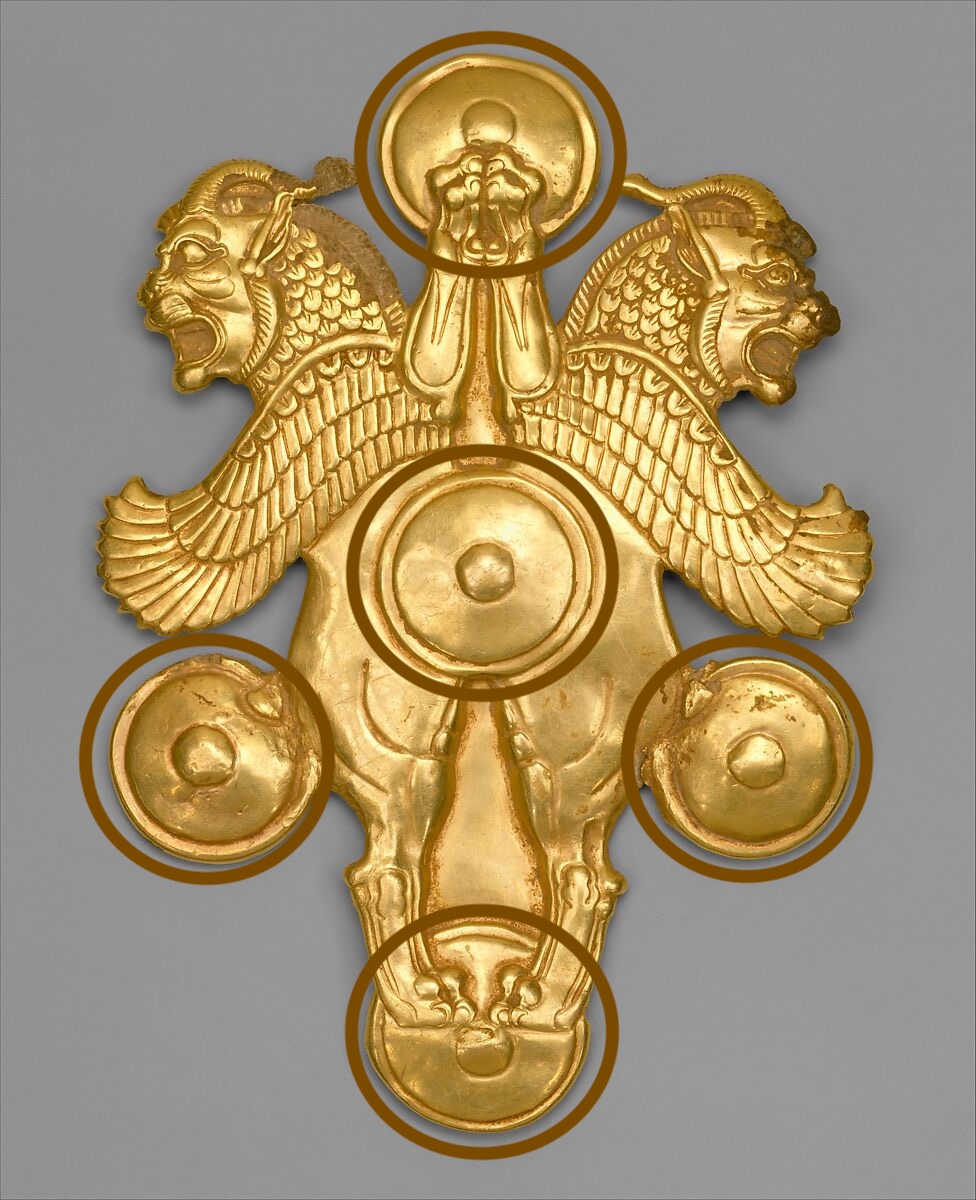
The blocks with five circles or annulets become an important part of our story. In many ancient civilizations, God was represented by the sun in the center. Frequently used representation in Middle Eastern, Celtic, East Roman, West Roman, Merovingian, and Holy Roman empires was a sun cross based on a vertical or diagonal representation of the sun with the spring and autumn equinoxes and the summer and winter solstices or even the cardinal directions.

Wikipedia Ta’oulunga cc
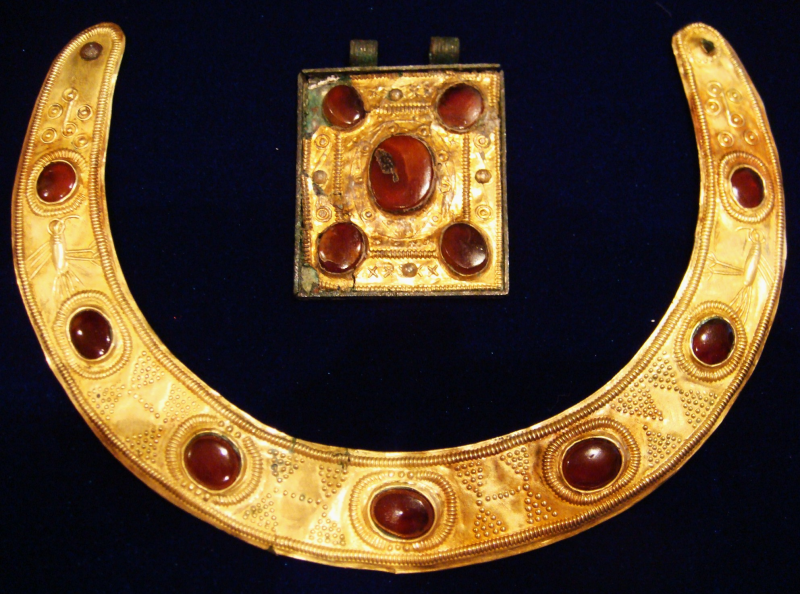
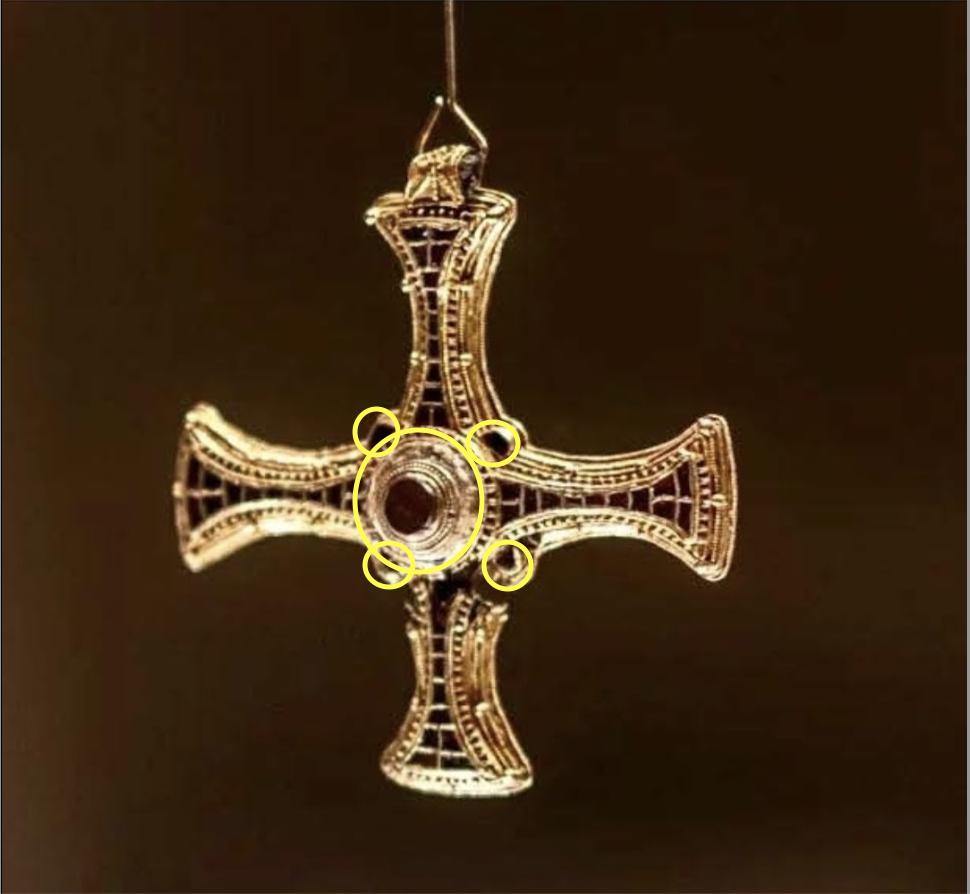
Many ancient peoples observed the power of the sun God in the heavens. This symbol is adopted in many cultures. Later the divine stewards obtained their sun-based sun wheel through investiture via the divine status of the kings. SO this symbol, together with DNA allows us to trace some very early connections. The same 5 circles are seen in a natural phenomenon called a Halo Cross.
Some early examples:
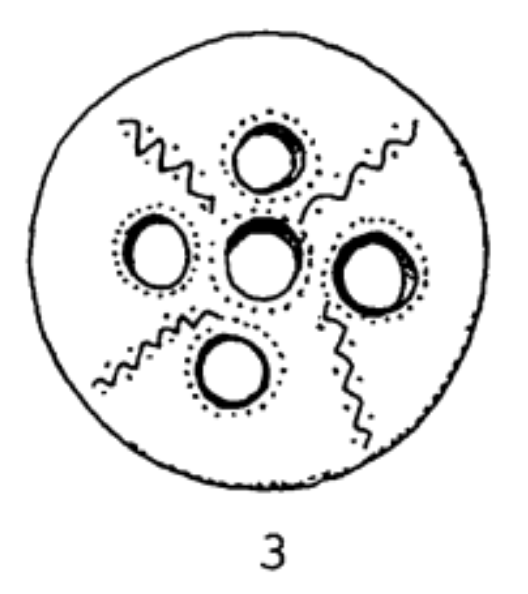
So various cultures adopted this symbol into their decorations. The wheel was very important to ancient civilizations. The clay wheel from Spišský Štvrtok (Slovakia) is an archaeological artifact from the Early Bronze Age (around 1700–1500 BC). These wheels were small not for use but found in burials. This drawing of one from STUDIA HERCYNIA XV PREHISTORY OF EUROPE AS SEEN FROM ITS CENTRE Czech lands from Paleolithic to the end of the La Tène period in European context by By Jan Bouzek pg 41. “The end of Middle Bronze Age brought also changes in religious ideas. At time that roughly corresponds to period of Akhnathon’s religious reformation and his worship of sun god Aton (14 th century B.C.) also in the north of Europe reform brings to the centre of religious interest Sun god and/or Sun hero. “pg 40
Next Chapter we will dive into why this symbol matters to FGC22501.
Kelly Wheaton ©2026 All Rights Reserved


Pingback: Deciphering our past Part 3 : FGC53429+ DUKES & NOBILITY IN FRANCE | Wheaton Wood