It Matters: Intergenerational Family Trauma
Posted on January 27, 2022 6 Comments
Okay not your ordinary genealogy topic…but reading my grandfather’s letters and his mother’s diary [Lulu: A Soprano’s Aria]. We can’t help but wonder how much trauma gets passed down through families and the sometimes maladapted ways we deal with it. I am talking the spectrum from Wars, to early loses, abuse, dysfunction the whole gambit. It’s an aspect of genealogy we don’t always talk about, but I wonder, if for some of us, pursuing genealogy and the stories of our ancestors is an attempt to reconcile our own lives with that of our forebears and to heal the multigenerational wounds. I have no answers to the questions, but I do know in some deep way they have always inspired my desire to understand the past and how it informs my present.

While we know depression, alcoholism, abuse etc can run in families —does that mean the sins of the father are forever destined to be visited upon the sons and daughters? If gambling, promiscuity or addiction runs in your family are you doomed to repeat it? I wrote the title to this blog post early one morning and some of the opening sentences. And I then I ordered a couple of books from the library on the topic and then came across a recent excellent article by Helen Parker-Drabble ” How Key Psychological Theories Can Enrich Our Understanding of Our Ancestors and Help Improve Mental Health for Present and Future Generations: A Family
Historian’s Perspective” all pointing out what I already suspected, “Intergenerational Trauma” is a thing, and it matters.
I have known of some of my family’s traumas since I was a child. And as an adult and later in graduate school doing a family genogram pointed out more. But it was really a comment by my son that made me think of how much gets passed down and sadly passed on. Not just predisposition to diseases or diseases themselves but as the newer field of epigenetics shows that the experiences and memories of trauma get passed on, even without our knowing it. That conversation was followed by one last week along similar lines with a genealogy group. So perhaps part of our genealogical quest is not just for answers, but it is for understanding and healing. Perhaps if we learn to overcome unhealthy familial patterns and work to strengthen the healthy ones. We can succeed in paving a better path for our progeny.
So what traumas in our family tree might we pay attention to? This is my short list but I am sure there are items I have missed.
- War, ethnic cleansing, holocaust
- Migration, upheaval
- Death of parent, child or spouse particularly untimely ones
- Birth trauma. miscarriage, abortion, adoption
- Marital conflict, divorce
- Substance abuse
- Mental illness: schizophrenia, bipolar, depression etc.
- Chronic illness or disease including epidemics
- Natural disaster: flood, fire, tornado, earthquake etc.
- Rape, physical or emotional abuse
If your family has, but a few of these, consider yourself very lucky. My family has every one of the above and some for multiple generations. Like those evaluation lists for “Life Stress Inventories” some of us enter this world with a stacked deck. I remember doing an exercise on birth order and realizing that I was the first child that lived, the second child, the only child, and the older child, with an adopted younger brother. I did not choose these roles but they were mine, and laden with bobby traps.
As you examine your role as a genealogist or family historian, I ask you to think how much trauma has played a part in your search? Is your quest a simple hobby, you just enjoy, or is there something more that lies beneath the surface?
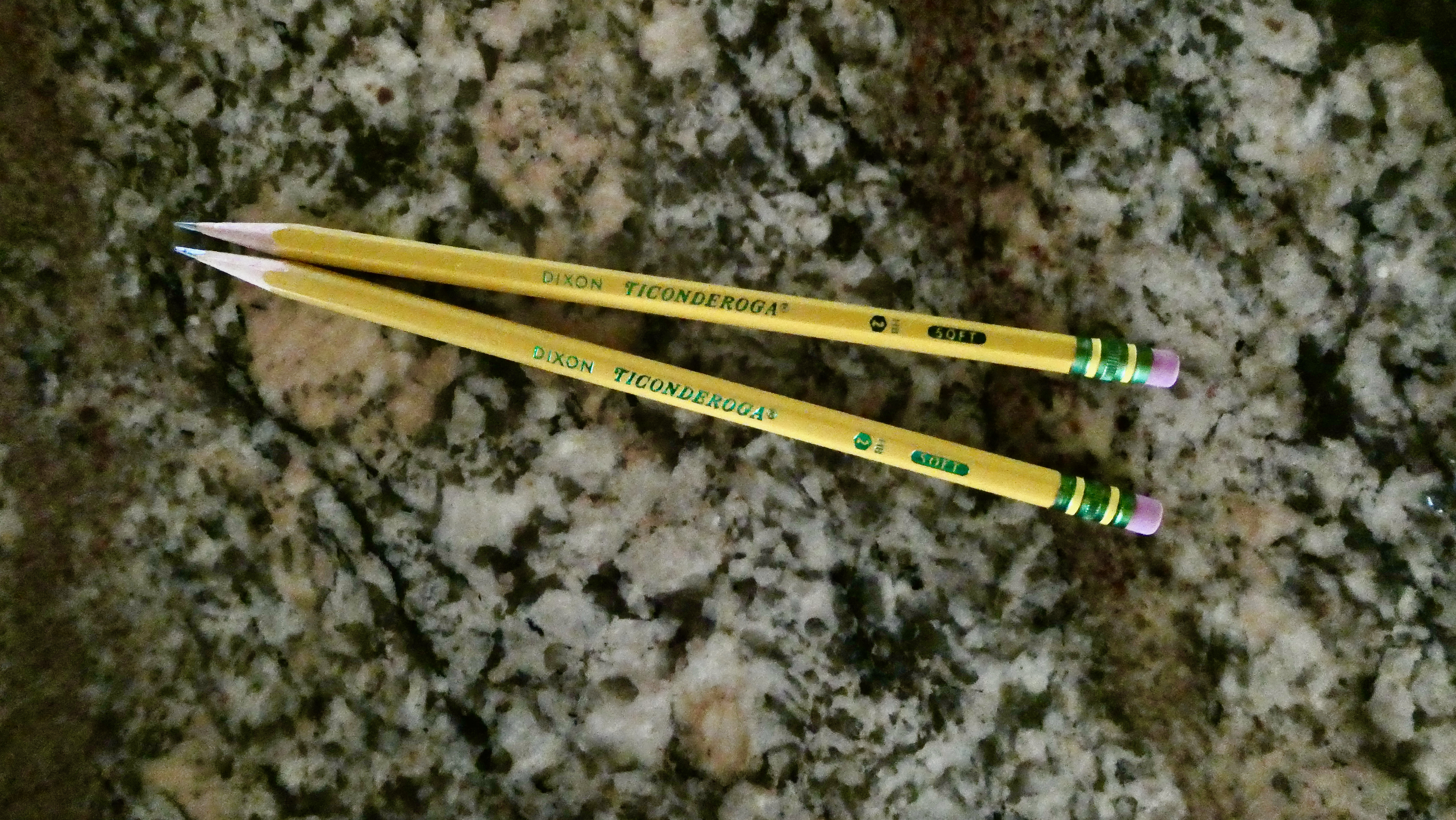
Here’s a short writing assignment start with yourself and follow your ancestors back regarding a particular trauma. Here’s my example with an emphasis just on the trauma of WAR:
- Me: Viet Nam War, and the draft was a large part of my adolescence
- Father: WWII at 18, was at the Bloody Battle of Tarawa, Wounded at Saipan…..among first troops at Nagasaki
- Grandfather Milo: WW1 in France as Army Medic at 18, WWII in the Pacific Theatre at Tinian where the bombers left from for Hiroshima and Nagasaki
- Great Grandmother Lulu PADEN: Her son Milo & Brother Louis WWI et al, Twin Brothers in Spanish American Wars, Uncles in WWI as well. Her father & uncles in Civil War & her maternal Uncle died in War
- 2nd Great Grandfather (Lulu’s father) James Lewis PADEN served in the Civil War
- 3rd Great Grandfather (James Lewis’ father) Rufus COATES had many sons who served in Civil war & one was a prisoner of War
- 4th great grandfather William COATS served in Revolutionary War
If we added nothing else you can see how just one element WAR touched every life and some of them deeply at each generation. We do not exist in isolation. These traumas are not without their tolls. They are not just things we register on a family group sheet. They affect us deeply in way we probably don’t even realize. We can be family historians that do not just record the past but we attempt to understand it

Kelly Wheaton © 2022 All Rights Reserved
EVERYTHING is a Working Theory: Beware of Sacred Cows
Posted on January 21, 2022 1 Comment
The Patchwork Genealogist tweeted “is this sufficient proof” and it made me think of all the times I have had to revise my tree or lop off a branch because new, or better information became available. My Blog post Keeping it Accurate was on correcting errors from long standing genealogies that have been proved wrong.

I am happy to report that this has resulted in a change in the organization’s selling of a document that was demonstrably false. And yet, there are still people who get so attached to a branch of their tree, that they are loathe to lop it off even when they know it doesn’t belong to them. I don’t really get that. Don’t we all want to claim the ancestors that are truly ours, rather than to accrue mythological ones? Perhaps it’s because I have scientists in my family and lived and breathed the scientific method that I have no illusions about getting it right.

If you take risks, you’ll make mistakes. If you are me, you make a lot of them. But the good news is you get so used to making mistakes, that you don’t mind having to correct and revise what you got wrong. You no longer worry about perfectly executed trees and proofs, because you know you aren’t done yet and it will get fixed at the next revision. Sometimes it’s your own carelessness and sometimes it’s accepting someone else’s work as settled fact. Sometimes it’s just a simple transcription error that leads you down the wrong path. But whatever it is I just swallow my pride, wash the egg off my face and dump that load of papers in the circular file.
I am a methodical researcher but not a linear one. I go around in circles. [See the Scientific method diagram above.] I have learned, rather than berate myself for retracing my steps, I look at it as a second opportunity to revisit something I missed. And know it works well for me in the long run.
Remember I said I take risks. I risk being wrong, but if I am right I break new ground. I turn up more clues, develop new working theories. Some professionals are loathe to admit this, but it’s all just theories folks. Let me take a sacred cow. Let’s say we have a certain Mayflower ancestor and 2 million people claim descent from that person and 3,852 got into a lineage society because of it. And let us say that the father of record was not the true father. Whoops. All those people have perfectly sourced trees, they pay a lot of money and proudly display the “proof ” and they are all wrong. They have matching YDNA so it looks all nicely proven until someone puts together 13 YDNA descendants of the alleged man’s family back in England and well as my friend Jean says, everything just went sideways.I am not saying this is true—I am saying it could be.
Think I am wildly off base here. Royals are often very reluctant to do DNA tests. Wonder why? I don’t. Things are often not as they seem. So while we are all working to better source our trees, and improve our documentation. Always remember we humans are messy. We don’t move in straight lines. What we do, doesn’t always make sense on paper. It’s all just a work in progress. It’s all just a working theory until a better one comes along.
I have written two rather extensive research pieces on “Conjectures on the Origins of Robert WHEATON” of Salem and Rehoboth, Massachusetts. They are both wrong. I have been thinking of writing a new one with my newest information and theory. One of these days I will get it right. Bottom line: Don’t let the rule makers get you down. They like to make you think they know the truth. They often don’t. The good ones know, it’s always a work in progress. Dare to make mistakes. Correct them and move on. Learning from mistakes, is it’s own reward.
Kelly Wheaton © 2022. All Rights reserved
Keeping it Accurate: How Do We Correct Genealogy Errors?
Posted on January 19, 2022 9 Comments
Note: It’s a bit ironic that the Queen of typos and mistakes wants to write a blog post about them but I need to make a distinction between errors we unknowingly commit and those that we ignore or worse yet promulgate for some other reason. We all make mistakes and we all inadvertently pass on erroneous information. I will spend the rest of my life cleaning up messes in my own tree. That is a given.

This post was inspired by a pamphlet that I had been trying to get corrected or removed from sale for many years by a Family Genealogy Association. The original article appeared in none other than the highly respected New England Historical and Genealogical Register in 1926. And it points out a major issue with printed genealogical matter. What was true nearly one hundred years ago, with additional information, may not prove to be true now. The article is titled The Sheldons of Bakewell, Derbyshire, England and Isaac Sheldon of New England by J. Gardner Bartlett of Boston. In this case the author handled the material beautifully and it has much valuable information on both the descendants of Isaac SHELDON of Windsor, Connecticut and his descendants AND the SHELDONs of Bakewell, Derbyshire, England. So far so good.

Note the operative word is “probable.” Then further on we get more of the squishy word “probable”.

And finally continued on the next page the probable is now “identical.”

In the meantime trees everywhere have Isaac Sheldon connected to Ralph SHELDON in Derbyshire. It happens in a thousand other ways daily. Fast forward to 2014 when I contacted the Family Tree DNA project administrators for the SHELDON DNA Project: Peter & Jeanne Jeffries. There were no groupings in the project and it was difficult to see who was related to whom when I contacted them. In short order I organized the project into groups and without knowing anything about the 5 SHELDON progenitors I was able to tell Peter and Jeanne that 3 Progenitors fell into one grouping and two in the other. The three that were in the first group which I named Group A were descended from the SHELDONs of Bakewell in Derbyshire and the other 2 which I called Group B were not [Though my working theory is they are from the SHELDONs of Warwickshire]. So the above “Probable” Isaac SHELDON suddenly became the impossible to be related to Ralph SHELDON of Derbyshire. They are not even close as Group A is YDNA Haplogroup E and Group B is YDNA Haplogroup R. So no matter how hard one might like the evidence to line up and prove this earlier genealogy it does not. There are a lot of takeaways from this:
- Older genealogies, even from reputable sources must be checked against newer evidence
- If you are aware of problems with older evidence we all have a responsibility to correct it whenever we can
- Just because we find a baptism or birth for someone with the same name does not mean they are the same person
- Like an scientific pursuit we are often dealing with “working theories” until better evidence presents itself, we should not be wedded to anything
- If we belong to or know of an organization selling outdated materials we need to lobby to get them amended or removed from sale
Sadly that last one has taken me years and has been quite contentious–attacking sacred cows can be difficult and hazardous to your health. But somehow having the TRUTH prevail is its own reward. At the end of the day we can only point the way—people will believe what they want to believe. I just did a search for Isaac SHELDON on Ancestry he appears in 16,325 public trees. Of the first ten pages of trees every single one has Isaac SHELDON as the son of Ralph SHELDON (1605-1651) and Barbara STONE. Correcting the record is an uphill battle. That does not mean we should not keep at it.
For the Record: I welcome, edits corrections, and new information. I learn from my mistakes as opposed to those that never make them. [winks]
Kelly Wheaton © 2022. All Rights reserved
Adventures in Ancient YDNA: R1b> U152>L2 to Celtic FGC22501
Posted on January 17, 2022 7 Comments
Introduction
It all began with a search for my husband’s WHEATON ancestry. After 40 years of trying to connect him with either immigrant Robert WHEATON of Rehoboth, Massachusetts or Thomas WHEADON if Branford, Connecticut I resorted to giving him a YDNA test for Valentine’s Day! In less than 6 weeks I had my answer that he was descended from Robert. If only it had been Thomas who we know comes from, Axminster, Devon, England. Where Robert Wheaton comes from, well that is another story.
There were lots of interesting surprises early on and a major one was how unusual the haplotype of Robert WHEATONs descendants is. To date there are no matches other than WHEATONs or suspected NPE’s. Several of the first 5 marker values are exceedingly rare. Another story.
The WHEATON FTDNA project participated in the “Walk Thru the Y” the brainchild of Thomas Krahn, then of Family Tree DNA, and although we discovered one SNP it remained a private one, as yet not shared with other WHEATONs. Then in 2013 Full Genomes Corporation began their Y Elite test and I entered into conversations with Justin Loe and Gregory Magoon and we ordered a test in early January. After a couple of snafu’s on my end (The kit was sent to the wrong David WHEATON) and in the end I had my husband take the test. The results in 2014 yielded over 50 brand new YSNPS. They were named FGC22500-FGC22551. One SNP FGC22501 was found to have been shared with a man from Los Angeles who was 3/4 Mexican and 1/4 European. I am forever indebted to Rich Rocca of the U152 project for his guidance and help and it was he who alerted me to the above match.
In July of 2014 Rich and I had speculated about the possibility that the WHEATONs were descended from a line of Roman soldiers. He wrote “what a story it would make.” On January 22, 2015 a pipe dream of finding a matching ancient remain became a reality with the publishing of “Genomic signals of migration and continuity in Britain before the Anglo Saxons.” These Roman Era “headless gladiators” were excavated in the city of York, England. Thanks to Rich’s work it revealed that not only was the skeleton 6Drif-22 a match for FGC22501 but he matched one of our project members a WHIFFING, at least two levels below FGC22501 and with many additional SNPS (Y37734 > BY3497). This means this WHIFFING shares Y DNA with this alleged Roman. 6Drif-22 died about 100-400 AD and he is not the direct ancestor of my husband but he shares a common ancestor about 4,000-4500 years ago. He is a much closer ancestor with John Whiffing (bap. 1766), Richmond, Surrey, England. Isotope analysis showed that 6DRIF-22 may have been born in an area to the south or west of Britain. Closest IBS sharing of sample 6DRIF-22 was with modern day Welsh, Irish and Scots in that order. Also Rich discovered 3 FGC22501+ from three anonymous men from Bristol.
In 2015 My husband and a couple of other WHEATONs ordered Big Y’s from FTDNA. In the Fall of 2015 I contacted Bennett Greenspan founder of FTDNA about starting a FGC22501 specific project officially called: “R-U152-FGC22501.” When approved in October we began with 10 members. A year later we had 53. With discoveries like the Roman Gladiators and the advent of more testing particularly the Deep Clade tests of FTDNA in 2017 we got more matches to FGC22501. Today we have over 140 members who have tested positive for FGC22501. They are widespread coming from Italy, Denmark, Germany, Romania, Sweden, England, Ireland, Wales and Belarus! So what we thought might be a fairly small project has turned out to be quite broad.
Unetice Culture
While the discovery of an ancient skeleton of York who was FGC22501 from 100-400 AD is very exciting imagine when we connected to a 4,000 year old skeleton in Prague dated from 2200-1700 BC! That was like hitting the lottery. This is the oldest remains with which we connect and places our oldest ancestors FGC22500 within the Unetice culture which inhabited the area around Prague from 2300-1600 BC. Here is where things get a bit confusing. We have terminology which we use to describe people: they may be a culture, a language, the pottery, housing, armaments or burial types. These often yield overlapping, imprecise description of the people we are trying to describe.
The Unetice Culture is a Bronze Age Culture approx. 2300-1600 BCE (Before Present Eon). They overlap with the Bell Beaker culture. The Unetice inhabited ten pockets or subgroups [See Wiki]. Ours is called the Bohemian sub group. This is the described group of the skeleton known as I7202 [our FGC22500 match]. This is our starting point [for now] for our branch of the R1b>U152>L2 tree. The Únětice culture had trade links with the British Wessex culture. Únětice metalsmiths may have been produced goods found in Brittany, Cornwall and as far south as Butzbach, Hessen Germany. Amber was also traded. So anyone thinking these folks didn’t get around is mistaken. DNA has shown Unetice individuals were very closely related to peoples of the Yamnaya culture, Bell Beaker culture and Corded Ware culture. I would venture to say that a given individual might carry genetic materials from a mixture of cultures which were probably less discrete than we who like to categorize would like them to be. The Unetice culture gets absorbed or becomes the Tumulus Culture which was known for its burial mounds with a time frame about 1200-600 years BCE and overlapping in time frame with the Urnfield Culture who had cremated burial remains 1300-750 BCE.

Our next big clue comes from 2 recently DNA sequenced remains I14984 dated 330-280 BC and I15951 dated about 290-250 BC both from Radovesice, Czech Republic. So in 1300-2000 years and only about 28 miles apart we find two FGC22501+ individuals who are also FGC22538+ and FGC22516+. More on them in a moment. But I want to point out that FGC22538 and Y37444 are the two MAJOR subgroups of FGC22501. The later being parent clade of the York Skeleton 6DRIF-22. And the former being the parent of these two Skeletons from Radovesice as well as one additional ancient skeleton who is also FGC22538+ that being I18837 dated from 320-200 BC from Kópháza-Széles, Hungary, all three of them from the La Tene culture which rose out of the more widespread Hallstatt Cultural influence. Barry Cunliffe in his book The Ancient Celts in 1997 noted localization of La Tène culture during the 5th century BCE when there arose two zones of power and innovation: “a Marne – Moselle zone” in the west with trading links to the Po Valley and Golasecca culture of Northern Italy and the “Bohemian zone” in the east with separate links to the Adriatic and Venetic culture of northeastern Italy. It may be that these account for our various branches.

And I would venture to guess this is where we can make our first association with the Celtic Tribe: the Boii. We are dependent on the Romans for any descriptions of these early Celtic speaking tribes so there existence in history may be later than their existence in fact. But the appear in the earliest records about the 6th century BCE. Which seems just in time to account for our group of FGC22501 skeletons and their progeny. The Boii’s name is thought to mean fierce warrior or cow herder.


The above map shows movements and territories held by the Boii. The ? on the upper left looks like the “Marne – Moselle zone” which may account for the eventual concentration there. The lack of ancient remains and current testers in France certainly hampers are ability to read the tea leaves. My guess is that from the cradle in Bohemia FGC22501 spread far and wide. And it may have spread quite early during trade with Britain, or later incursions by the Romans or Normans. It is not likely that one story accounts for all the spread either as some may have been through trade, marriage alliances, larger scale population movements, greener pastures or even slave traders. None of these YDNA Haplogroups are found in strict isolation. What we can say is that FGC22501 is found in the areas of Celtic speakers. Pockets may have flourished in remote areas like the Italian Alps not subject to invaders; whereas other areas may have been overtaken by outsiders and forced movement elsewhere. This is a current look at our project and the spread of FGC22501

We have been very lucky that the latest DNA of 793 newly analyzed individuals from ancient graves yielded 3 new matches for FGC22501. That makes our total for ancient DNA that are FGC22501+ at 5! The study from which this new data comes, finds a large-scale migration likely from somewhere in France to the southern part of Great Britain, or modern-day England and Wales, that eventually replaced about 50 percent of the ancestry of the island during the Late Bronze Age (1200 to 800 B.C.).” So obviously humans did like to move around.
This story does not end here. However I wanted to get something out that traces the broad outlines and shows what is possible in 8 years by ameteur genetic genealogists. Many thanks to Rich, Vanessa, Jan, Jerry and all those that have participated and shared freely. There is some previous information available here. Please feel to comment or drop me a line.
Kelly Wheaton © 2022. All Rights Reserved
Writing Challenge: What Reminds you of your Grandmother
Posted on January 12, 2022 3 Comments
What is something that always reminds you of your grandma? This was a question that was asked by Connections-Experiment in a Twitter post. My first reaction was instantaneous. Grandma’s Trinket Chest.

Before I tell you more about this former candy box, as we all know we have at least two grandmothers. I only had the opportunity to know one of them. So my first response was to pick something that reminded me of her. Carrie died when I was 14, she developed dementia long before that, so when I say I knew her, I really mean the vestiges of who she once was. However, my father told me when he was dying that of all the people he knew, I reminded him, most of her. And so I will trust that I might have an idea of who she was.
The box symbolizes so very much about my grandmother and I did not even think of those things when it popped into my head. I love boxes, flowers and chocolates. I particularly love the way this box is decorated in flowers and with intricate detail of identifiable flowers: roses, tulips, morning glories, bluebells etc. I did not know that Schrafft’s was a confectionery founded in Boston by William F. Schrafft in Boston, in 1861. But I note the name is German and so was a significant part of her ancestry.

My grandma Carrie kept her many sewing notions in the Trinket Chest. As a young girl it sat upon her Singers Treadle Sewing Machine, and I loved to look through it. I later did the same keeping pieces of lace, rickrack and bias tape in her box. She was an avid seamstress and supported herself and her family as such during the hard times of the depression and war. But aside from being a box that was hers. I suspect the box reminded her of the person who gave it to her, perhaps on a special occasion? I wonder if it was my grandfather, Milo that bought her a box of chocolates. Speaking of which, my grandmother loved chocolates. My grandmother always had a box of chocolate covered donuts and a dish of Nonpareils. The name Nonpareils refers to the small white candy balls and is from the French word that means “without equal.” But the white balls covered dark chocolate disks…and well I share my grandmother’s dark chocolate addiction…so you see there are many things that remind me of my grandmother.

These days I keep mementos of hers in the box. Her autograph book from 1905. A shopping list pad. A copy of Mary Baker Eddy’s “Science and Health with a Key to the Scriptures,” 3 brassiere fasteners, some hand tatted lace, a tatting shuttle, a bracelet with the charms spelling mother and the Marine Corps insignia (sent by my father to Carrie during WWII). We also, it seems, shared similar vision issues and for a time similar taste in glasses. For inside the box today you can find her prescription glasses whose correction is quite similar to my own. Although a slight bit rusty– it has held up well. Wishing that I do as well.
There’s lots more to share about my grandmother Carrie. Your mission is the next Writing Challenge.
Writing Challenge: What Reminds you of your Grandmother?
- Is it a special memory, an object or maybe a recipe.
- Perhaps it is a smell of her favorite perfume, something she cooked or flowers she loved
- Can you tell us a story about your grandmother that makes her real to the reader
- Do you like your grandmother? Were you afraid of her? What stands out for you?
- What similarities or differences come to mind when comparing yourself to your grandma?
- Was there something particularly playful about her?
- Did you ever get in trouble with grandma?
Kelly Wheaton © 2022 – All Rights Reserved
What Got you Started in Genealogy?: Writing Challenge
Posted on January 10, 2022 3 Comments

This gets asked periodically, especially on Twitter and I usually reply with my true, but fairly rote answer. But thinking about what got you into Genealogy might be a good exercise for all of us, whether beginning or seasoned, genealogists. It does not matter how well you write or whether you plan to share this. You can write a narrative or jot down a list.
Here’s what you might include:
- The date or how old you were when you started?
- Where were you living?
- What or who inspired you?
- Where did you start?
- Who did you talk to?
- How did you conduct your research?
- Any interesting incidents or stories come to mind?
- Who would be on your gratitude list?
- What would you do differently if you started anew?
- What has given meaning to your research?
- What discoveries are you most proud of? (This could be a separate writing prompt)
- What have you discovered about yourself or what traits do you share with your ancestor(s)?
You need not answer all the questions or in order. Feel free to add your own and share in the comments if you wish. Below I will share my story, parts of which I have shared before.
I married young in the early 1970’s and moved 3,000 miles from where I grew up in the San Francisco Bay Area to a small town in Pennsylvania: Emporium, in Cameron County which was 95% forest lands. The town where I landed averaged about 3,000 souls and its main claim to fame is, as the home of Sylvania televisions, flash bulbs and the like. So unlike some similar rural towns in the area, there was a “brain trust” that took it away from the typical Allegany Mountains backwater town. However, it was quite the culture shock to a girl raised in the shadow of San Francisco, Oakland and Berkeley suburbs. Many things struck me. We arrived at the height of peak color in October—the natural beauty and wildlife was stunning. My husband’s family was warm and welcoming and refreshingly normal. In some ways quite a contrast from my unpredictable and tumultuous family. Predictability was a weekly Menu posted in the kitchen and a set time for dinner each night that never varied.
In any event my husband quickly found a job working for the Pennsylvania Forestry Department and I joined the ranks of unemployed housewife living with my in-laws. I indulged in all sorts of arts such as knitting, crocheting, macrame, pressed flower paintings, embroidery, cross stitch, sewing and what not. I became a consumer of magazines like Better Homes and Gardens and Family Circle. And it is there that I found it. This less than 2 page article provoked a half century of happy ancestral pursuits. This was pre-Roots, Alex Haley’s 1976 novel, Roots: The Saga of an American Family, which turned many in our country into budding genealogists. It was followed by a film in 1977.

So armed with this article I decided to work on my husband’s family since they had lived in Emporium for 3 to 5 generations. This was much easier than starting with my family who enjoyed hopscotching across the country. I was particularly lucky that the Cameron County courthouse was less than a half mile walk away. And unlike in my family where all 4 of my grandparents had died. One of my husband’s grandparents was still living and many of his great aunts. Furthermore the 3 cemeteries where his ancestors were buried, were a short drive away. So in no time I was meeting and interviewing his family and collecting lots of information. I particularly remember visiting his 3 great aunts, Mary, Annie and Edna born COLSON, sisters of his grandmother Edith Amanda (COLSON) WHEATON. It is here that I took these (very poor quality photographs). I regret not taking more photographs including the front pages of the Bible and photos of all those I interviewed. This was one of my most interesting lessons. None of these three sisters had any clue where their parents were born in Sweden. I remember being incredulous. Furthermore they suggested that their father’s name may not have been COLSON! This has been a long standing brick wall—but with some interesting DNA clues.


Other remarkable findings: my father-in-law said his father did not have a Middle Name just the initial “H.” At the courthouse I discovered that the “H” stood for Hobart. After spending many hours at the Courthouse I noted all the Dockets had informative names: Deeds, Marriage, Births, Deaths, Orphan’s Court etc. However there was one Docket named “Lunatics and Drunkards.” I finally got up the courage to ask the Prothonotary what the Lunatics and Drunkards docket was for. It turned out to be the Divorce docket because at one time these were the only reasons for which you could seek a divorce.
Over the year I spent searching records there, other then perhaps one or two people for a brief minute or two I was the only one ever there besides the Prothonotary, and she spent most of her time in the outer office. Furthermore, I wonder how many other people ever visited the musty basement and looked through the Tax records and Naturalizations stored there. At the time I never thought to try photographing records and mostly just took notes as the cost of certified copies—seemed high to me at the time. [Laughs out loud]. The current cost of an certified copy of a birth record in California is $29! My how one’s perspective changes.
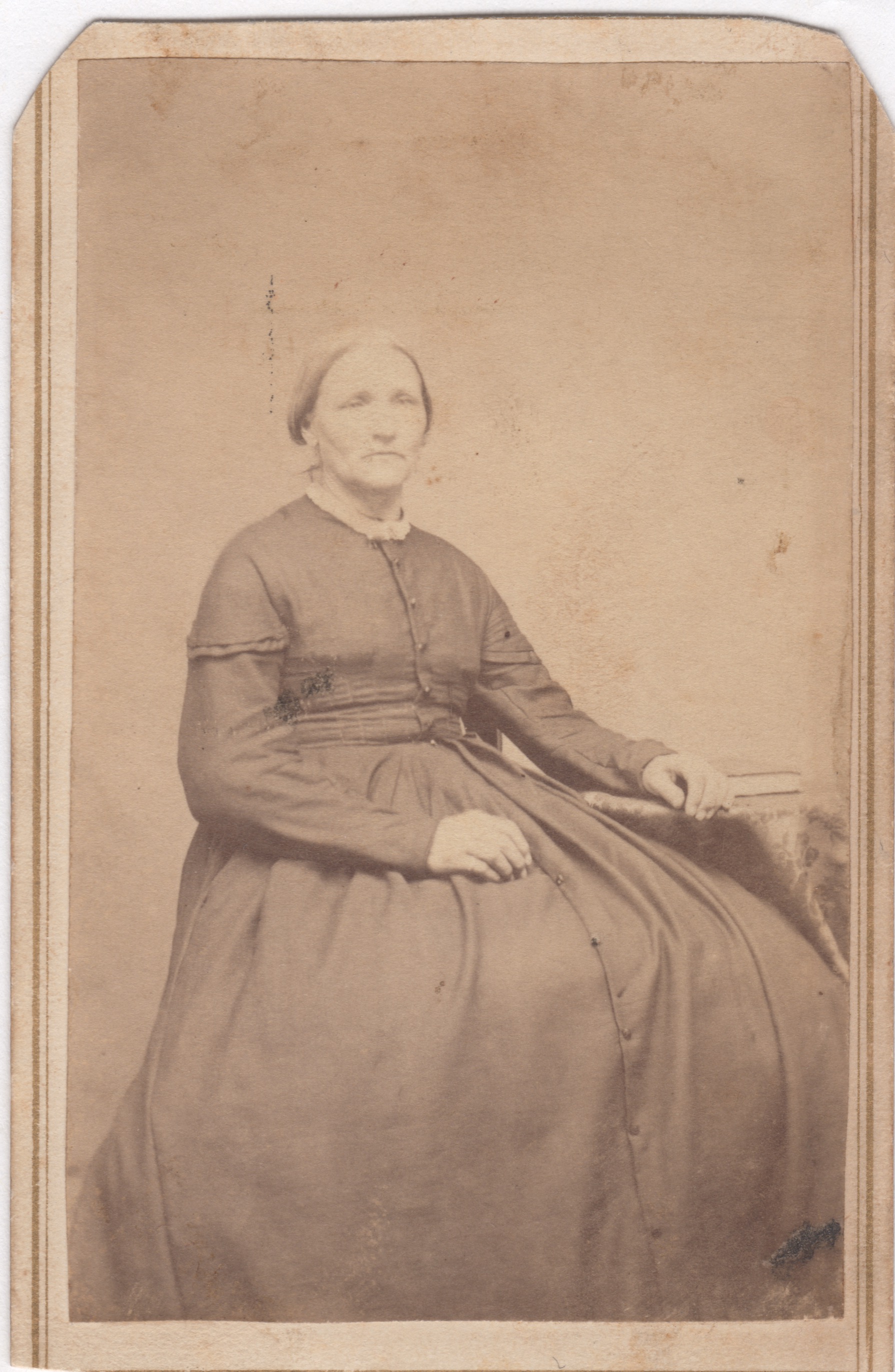
I did manage to get photos of cemeteries and gravestones. I also was given many old photographs including these two unidentified ones. I was able to later identify them. These are my husband’s 2nd great grandparents. And no one knew who they were. That is part of the joy of doing genealogy. We were later to visit Elizabeth’s grave in Chenango County, New York and discover the names of her parents. One thing leads to another.

Then in 1973, I moved back to California and saw a note posted at the local library about a genealogy group forming. I attended and was the youngest and founding member of this local group. I am one of only two surviving members of the original group. And she is still a friend. The group facilitated many friendships with mostly seniors and field trips to The National Archives Branch in San Bruno, Sutro Library and the California Genealogical Library and the Oakland LDS Family Search Library. These were the days of microfilm census records without indexes. I remember a visit to San Bruno and looking through the first published Census indexes and the Soundex Index to the 1880 census. I also remember snail mail letters to relatives, potential relatives contacted via the Genealogy Helper (defunct magazine for genealogy queries) and the ubiquitous SASE ( Self Addressed Stamped Envelope).
It was then I started in earnest on my family and began a long standing research association with my maternal aunt and paternal great aunt and a great uncle. I was active until the births of my children. Then genealogy sat on the back burner for a few years with just the occasional letter from my earlier advertisements in the Genealogical Helper. Over the years I became the recipient of photos, letters and other family memorabilia. And yet much was lost as people threw things out and relegated to the auction house. I wrote to my husband’s aunt asking for some keepsake of his grandmother. By the time I contacted them all had been disposed. Not a bible, rosary, photo, teacup had been saved to give to him or his sister. I do not know who , if anyone, retains the COLSON Family Bible and although there was a WHEATON Family Bible, it was never located. And I wrote letters and made phone calls to everyone in the family. I also photographer the MOSIER Family Bible. As genealogists and Family Historians we are obligated to share freely and broadly. So much is lost over time without a concerted effort,
I am so lucky to have had, so much help from older generations of the family when I was getting started and in some cases I preserved information that otherwise would have been lost. As I have written in Reformed Genealogists: Turning Stories Into Trees I have switched from collecting ancestors, to writing their stories. It has been pure delight to meet my Great Grandmother Mary Lulu (PADEN) MOSIER through her diary. To find my connection to her and her son my grandfather as kindred spirits, who enjoyed writing. The pursuit of genealogy has led to travel and friends around the globe. It has connected me in a way that has enhanced my understanding of ancient and more recent history. It has underscored the interconnectedness of people, experiences and life. I used to think if I had it to do over again I might have been better organized and taken better notes—but the truth is my regrets are few and my joy is great when I think of the places I have been and the people I have met, from casual connections to lifelong friends.
I have come to realize that my connections to my ancestors are quite personal and that they help me make sense of my life and the lives of those around me. Bringing their stories to life helps me discover more insight about my own and sharing them gives me connections that I need. My grandfather’s and great grandmother’s sorrows did not occur in a vacuum and their sensitivities I share…And what delighted them, delights me too: poetry, literature, flowers, trees, the way one feels when the sunlight is just so. As I have written before, the ancestors who left behind letters, diaries or stories are those I know best. But my great-grandmother Lucy Jane FRANKLIN’s colored pencil drawings of flowers and fruit

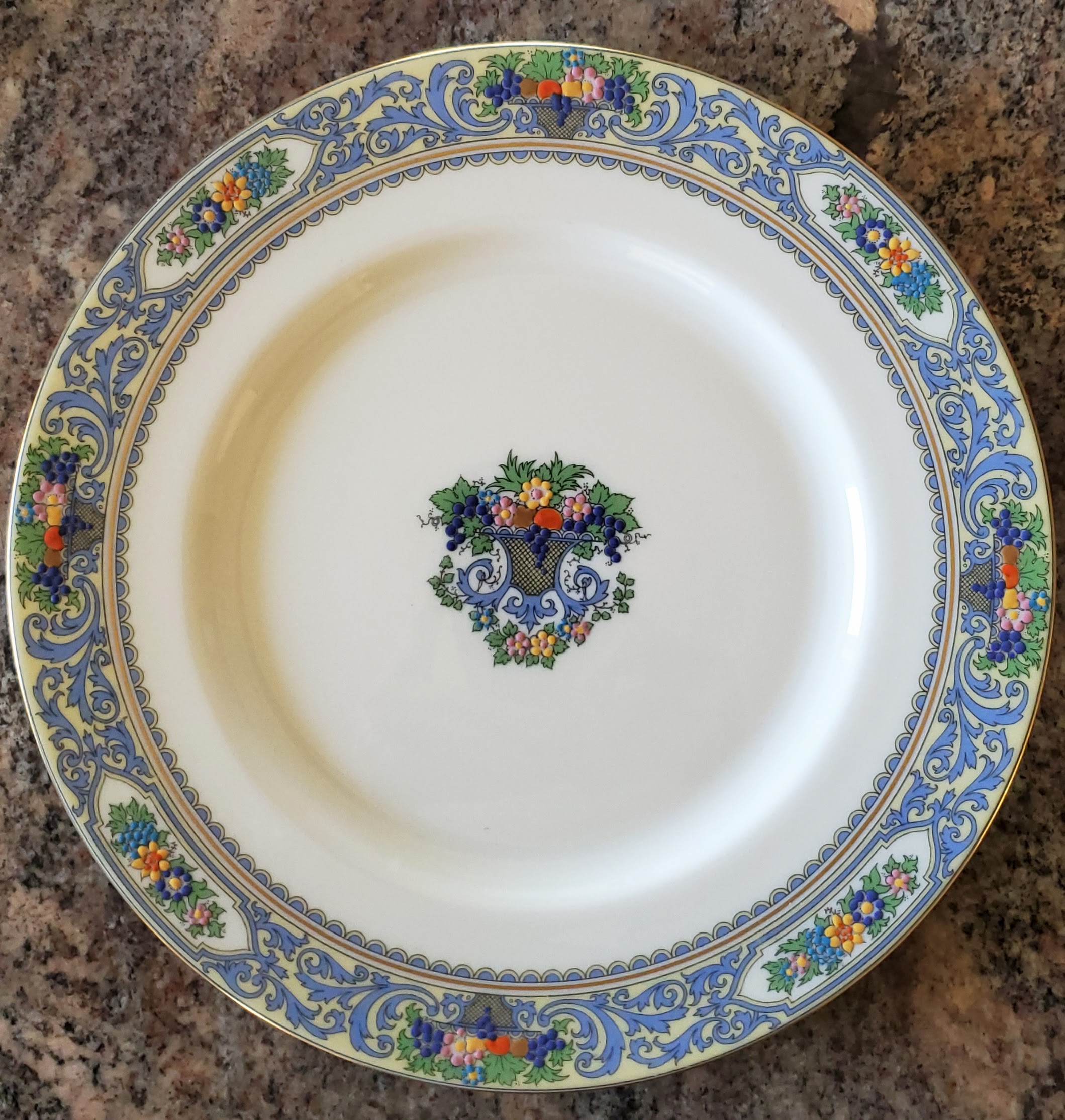
or my grandmother Helen SHELDON’s Lenox plates tell me something about each of them as well. We can tell alot about what people value by the choices they make.
The hardships, the Wars, the struggles are universal, and I like to think that they have paved the way for me to endure mine as well.
It is impossible for me to pick my favorite discoveries but some most noteworthy ones are the establishment of where my immigrant ancestors came from. The villages and towns in Sweden, Norway, France, Germany, England, Scotland etc have been particularly rewarding. Travelling to the villages in Bavaria, Germany where my fathers surname line came from was very rewarding. Although he and my grandfather had died before the discovery I know how much it would have meant to them and I brought hem with me in my heart as I visited this sacred places. And finally establishing Elizabeth Olson’s true origin as Aslôug Elifesdotter, in Vinje, Telemark, Norway after forty years of coming up empty. Visiting the cemetery in Little Compton, Rhode Island, the final resting place of Elizabeth (ALDEN) PABODIE my 9th great grandmother allegedly the first European women born in America. These and so much more.
Perhaps future blog posts I will write more. My hope for you is that reflecting on your own search brings you a deeper understanding of yourself, your family history and our shared humanity. My hopes for the future include discovering my enslaved ancestor’s name. Breaking down the origins of my brick wall ancestors John MERRITT and Margaret GEARY of New Jersey and Genesee County, New York. And having the time to research and complete more ancestors stories.
Kelly Wheaton © 2022 All Rights Reserved
Locating the Actual place Your Ancestors Lived: Sheldon Land Records in Early Kingstown Rhode Island
Posted on January 6, 2022 12 Comments
Where John SHELDON of Newport and later Kingstown Rhode Island lived has been a bit of a puzzle that we have worked on over the past couple of years. After a recent visit to the Town Hall for South Kingstown located in Wakefield Rhode Island. [And if that isn’t confusing enough the property is now in West Kingstown, not South Kingstown. Oh yes those jurisdiction issues again!] However after my exploration I felt confident enough to reach out to the current land owner. It is now clear to me that I got it right.

You never know when you write a letter to a land owner how it will be received or if you will ever hear back. Not only did I hear back, but I also had a delightful phone call with Tom. Since I live 3,000 miles a way I arranged for another SHELDON cousin to visit at his invitation. Never underestimate the power of human contact over just written records—it’s the stories that make the difference.
The original John SHELDON Sr. [aka John 13] purchased property in Kingstown 22 Sep 1671 and recorded 26 Oct 1683 from Benjamin CONGDON to John SHELDON of Narragansett Country, Planter, for seven pounds being 33 acres of a larger parcel had by CONGDON 22 Sept 1671 from William BRENTON, Benedict ARNOLD, John HULL, John PORTER, Samuel WILBOR, Samuel WILSON and Thomas MUMFORD ( the original Pettaquamscutt Purchasers). This parcel is reflected on this map in red.

This property is located north of the current Liberty Lane and Shown on map above being transected by Chickasheen Brook. My guess is that the house was probably located on the map where we see B.C. GARDENER which may be at the end of the current, Shickasheen Way [Note change in spelling. No house from that time frame is standing at this location.] This link will take you there on Google.
John SHELDON Sr only had one surviving son (that we know of): John SHELDON Jr. On October 20, 1687, John Jr. bought 230 acres of land near the Pettaquamscutt Purchase for 7 pounds from Benjamin CONGDON being “the land granted to me [CONGDON] by William BRENTON, Benedict ARNOLD, etc”. This is the parcel seen on above map to the west of his father’s parcel and labeled Wilson Arnold No 1. Please note there is a J. SHELDON and a SHELDON Hill on the above map. John Jr died in 1705 and John III died about 1732. So the J. SHELDON of the map is an even later SHELDON. What it does, is establish that SHELDONs were living on SHELDON Hill as late as 1835. Now to the tricky part where is this today? The southern edge of the property line is south of Liberty Lane and the parcel is transected by RI Highway 2 . Here is the annotated map Tom sent me:

According to Tom the old house that stood about 150 feet west of the Narragansett Trail was built in 1691. He remembers riding his bike up Sheldon Hill as a boy of 8 and usually turning around before reaching the house; summoning a bit more courage each time. The house was 2 story white shingled and had a center chimney. In 1691 this would have been John SHELDON Jr.’s property. John SHELDON Jr’s will is dated August 15, 1704 and was proved on January 16, 1706. So he likely died in December of 1705 or very early January of 1706. Jan 13, 1706 John SHELDEN III appeared in administration of the Estate of his father John SHELDEN Jr as seen below.

This is just below the above—the beginning of John SHELDEN Jr’s will as recorded on page 10 ot the North Kingstown Record Book.

In his will John SHELDEN Jr wills: “unto my eldest son John Shelden [III] the Dwelling House I now live in With all the Land there into belonging being bounded as a Deed of said Land Expreses With all the privileges and Appurtenances there unto belonging or in Any wise Appertaining.” This may be the 33 acre parcel first acquired. The will goes on: “Item I will unto my Son Isaac Shelden the one halfe or Moity of a Trackt of Land which I bought of Henry Hall. Said Land Lying in Kingston and bounded North Northerly in Part on land now in the use and occupation of ye Widow Crandall. ” The following map shows the land of Crandall to the West of the Benedict Arnold parcel. I believe the house shown as Mr Wilcox would be the same as that which Tom speaks of being built in 1691 and which I have marked as the Sheldon House in red.

So we can establish that somewhere between 1835 and 1870 the Sheldon House and property pass out of the hands of the SHELDONs to WILCOX. It appears to have been occupied by Hiram DOYLE and more recently belonged to Daniel BRAYMAN. It was burned down in 1977 by the then property owner because it was deemed unsafe, before the property was acquired by Tom. The Narragansett trail would have been a major trail of the native Narragansett people and then later used by the European settlers as well. The house was previously a Way station or Inn. Thank you to Sissy Walker for visiting Tom and sharing the photos below.

By the time Joe bought the property there were 7-8 rock wall enclosed fields. Here is an example of two walls one constructed long ago and one Tom constructed.


There are 3 grave lots on the property and more details about them can be found on the Rhode Island Cemetery Commission website. They are:
- SKA40 SHELDON – SMITH Lot Walled with nice entrance stones. Only one grave marker with visble marking (concrete) for Dorothy PARTEKA died 20 Feb 1936. However in 1880 He found one stone with the date 12 March 1832 presumably a death date and eleven other rude stones.
- SK199 Daniel BRAYMAN Lot 12 burials 220 feet SW of foundation 45 X 25 feet no enclosure no inscriptions Has visible mounds and Head and foot stones. 1/2 of graves are infants.
- SK200 UNKNOWN Lot 3 burials Located just off the Highpoint of Narragansett Trail. NE of house foundation. Field stones with no engraving. Stone wall enclosure with one wide step stone on South corner lot 25 X 15 feet
There is one additional lot off Liberty Lane which would also have been on SHELDON property
- SKA37 SHELDON LOT Located off Liberty Lane “on land of John G. Clarke north of his house on corner of lot two graves… both with rude stones. On the opposite side of wall a burial yard now plowed down that of slaves of his family.” This lot was destroyed in the 1937-38 when Route #2 was constructed. According to Carl CONGDON as told to Tom the Sheldon Cemetery and the Baptist Church at Waites’s Corner had to be moved. Originally it was probably north of Liberty Lane as that is where the CLARKE property was located. Formerly known as SK 572. Whether the graves were moved or plowed under is not known.


Liberty Lane connects directly to Hwy 2 aka South County Trail. Off Liberty Lane is Holly RIdge Lane which you can take North to also connect with Hwy 2. This would have been part of the SHELDON property as well. These are photos I took there. The two hundred and 30 acres of John Jr plus the Thirty-33 acres of his father John Sr encompass a fairly large area currently transected by Hwy 2, Liberty Lane and Holly Ridge Lane.


Finally we should mention the CLARKE property shown on all three of the above maps and remained in the CLARKE family for many generations. In 1885 the Honorable John G. CLARKE II, who was a Clerk of the Supreme Court from 1865-1883, built the standing stone mansion in 1885.

Returning to John Jr’s will. “Item I will unto my said son Isaac Shelden and to his heirs forever the one halfe or said Land except twenty acres of Land Which Was formerly Given unto my Son in Law Daniel Sutherland and the residue of the Whole Trackt being equally divided from North to South the Westermost thereof I give unto said son Isaac. With A dwelling House that stands thereon and all the privileges and benefits thereunt belonging from as aforesaid. Item I will unto my son Joseph Shelden the Eatermost Halfe of Moity of said Trackt of Land unto his heirs forever With all the Rights and Profits thereunto belonging. ” [Note John Jrs daughter Elizabeth Sheldon marries Daniel Sunderland before 1704 .] It is my understanding that this is the large 230 acre parcel as shown on the first map as Wilson Arnold No.1. Isaac having inherited all but twenty acres of the Western half and Joseph the eastern half. This places Isaac on Sheldon Hill and his brother Joseph in the area of Holly Ridge Road. Further research in the Deeds of South Kingstown may yield more gems.
Granted following old deeds and wills is not easy but I think we can be reasonably assured we have found the early lands of SHELDONs in South Kingstown Rhode Island [now lying in West Kingstown of maps]. Heartfelt thanks to Tom and Sissy and my partner in crime Dale Sheldon!
Resources used:
- Land Records
- Wills
- Many versions of Old Maps
- Recent maps including Google
- Cemetery Records
- Personal Interviews
Kelly Wheaton 2022 All Rights Reserved
Music & Dressmaking, Singing as I Sew: A Soprano’s Aria Chapter 30
Posted on January 5, 2022 Leave a Comment
Sat Feb 1 – Nothing particular to chronicle
Sun “ 2 – Mrs Miller Essie & Herbie came over to look at a house and call on us. Lolita and Charlie also came had a very pleasant time.
Mon “ 3 – Eilenes birthday J [Jessie] & I were almost ready to go to town when Mrs Fryer came out to be fitted. We then went down to Berkeley and had lunch then to town. Did a lot of shopping got my new glasses and came home. J went around by Davies and got my Govt check for $15.00 which they keep sending to Hayward and out to our old address in Castro Valley. But I get them which is the main thing. Eilene was here when we got back and had waited quite a while for us. She was kindly entertained by our neighbor Mrs DeGiers. Jessie got a telegram that said Syl would be in S. F. at 10 this same evening. Jessie went with Eilene and Leo to the City to meet her returning soldier boy. It is now 11 oclock. I have been out and mailed a letter to Milo in ans. to one I got from him today and now to bed.
Tue Feb 4 – I did an immense washing was through when Jessie & Syl came home. He looks well and happy to be back. Jessie is radiant.
Wed Feb 5 – J & I go shopping and learn the value of a dollar these anti-bellum [After war] days. [After WWI price controls were lifted and inflation took off] Syl got a nice new hat at the same bad prices as before the armistice. Uncle Sam isnt clothing him now. He likes civilian styles and cloths better. We all go for a walk.
Thu. 6 – Spent the day in cutting and fitting my pongee skirt, and in evening go to see Mrs Miller Ray and Rose with Jessie and Sylvester. It was raining I read “The Yellow Typhoon” on the way. [By American novelist Harold MacGrath]
Fri Feb 7 – Mrs Fryer didn’t come for her things today. I have a very bad sore eye this morning. Cant sew or read much. Treating it with witch hazel and Boric acid solution.
Sat. “ 8 – Eye still sore. Jessie and Syl do the Sat. marketing and then go to S. F. to see the folks on both sides over there, so I am alone awhile.
Sun Feb 9 – I was half awake and thought I was at home in Neb in bed and there came several earthquake shocks and I wasn’t afraid. It was pouring down rain. Finally when I really awoke to the fact that I was on the Pacific Coast I was more alarmed about the shock, but guess it was only a dream. I arose at 10 bathed my eye which is quite sore yet, got my breakfast did up my morning work looked the paper over the best I could and now at 12.30 am bringing this record up to date. No one has appeared to break my solitude. The sun has come out and a brisk wind is blowing. We have had several letters from Milo lately saying among other things that he had received his Christmas box and that he was coming home soon he thought. Good, fine on everything.
Feb. 20 — Gave Jessie $10.00 a day or so ago gave her $5.00 and when my $75.00 came all at once on or about the 1st of Feb I gave her $20.00. I also spent about 1.00 for groceries. I went to two Wed morning meetings of the Choral Club and enjoyed them very much. I will have to have my glasses refitted. Returned Irenes dress that I mended and had a good visit with her. Got some silk thread to make up Josephines new green silk dress. Syl went up to Willows to run a tractor plow in the rice fields and we are all alone again. Am very tired of the loneliness. My heart is heavy and I want my babies back again O cruel fate. Went alone to the P. on the 17 to see the drawing for the auto. There was a wonderful crowd out. It was a huge success but I did not get the auto. I got my 15 from Milos allotment this morning Feb 20 and also learned from the Red Cross that I was not entitled to an allowance from the Govt. Its me for doing without it then. I am to see the clinic about my eyes soon. Spring is here in all its Golden Glory but some how my heart fails to respond. I have finished my pongee skirt and it looks very well. I am now embroidering a corset cover.
Feb 21 Fri – Eilene came over with Leo for us to keep over Washington’s birthday while they went on a hike. J & Syl took him with them the next day…
Sat Feb 22 – …when they went to Hayward Their hostess the Durant girls failed to keep their appointment and meet them with the auto so they came home in time for a dinner of steak and potatoes at home. I had sewed some on Josephines dress and kept the house in order when Mrs. Smith and Vestina came. I had a pleasant chat with them and after they left did quite a was. In the night it began to rain and so I got up and brought them in.
Sun Feb 23 – I got up rather early and washed up last nights dishes got breakfast and after it was over did my ironing. There was quite a lot of it and I finished it all. J & S went to look at a house and I gave the baby Leo a bath and he is now sleeping sweetly. I tidied up things and am now at 3.30 writing up my Diary. The day is sunny and showery by turns, cool and very pleasant. God is every where though some times through our blindness we fail to see his face. I am rather tired and a little melancholy which I try to fight against. I suppose I am to get dinner and I had rather rest. (Later in the day) Eilene came and said she never saw Leo looking so sweet. She took him home with her.
Last week of Feb. spent quite as usual at home at Jessies sewing on Mrs Fryers work attending Wed morning rehersals and helping on housework, etc… I went to clinic and didn’t get any satisfaction or advice they were so busy with people who were really poor and unfortunate that I decided not to bother them again Jessie and I went to visit Mrs Westlund in Castro Valley and had a very good time. The weather was rainy but we were met in Hayward with a car and didn’t have to wait long. We called on Mrs. Hasenbalk and found the old woman suffering with a very painful leg. We also called on Mrs Smith by the V. C. about this time. Took crocheting along and listened to some very good phonograph music. Mrs Smith and Vestina called us a couple of times. I did not put down the doilies which are unimportant any way
Mar 4 – Lolitas 18 birthday gave her a pretty guest towel. She came over in evening and brought us a piece of her birthday cake. Was sad because I couldnt go over.
Mar 5 — Usual Wed morning rehersal. Began work on Stabat Mater which the Berkeley Oratorio will give Good Friday. Went to Fryers to get thimble and more sewing.
6 – 7 – 8 — Usual routine of work.
Mar 9 – Lolita and Charley came over and found me alone they got a pie and some Hot tamales and we had a fine dinner. J & Syl were away. Lolita was not very well.
10 – Syls birthday. I bought him a necktie which Lolita had seen in the window the day before and considered very pretty. Then I went over and met Allie and he took me way down the peninsula and showed me how to run the car. I had a most delightful time. When I returned Jessie and Mrs Miller were getting up a fine dinner for the birthday so I had quite a full day. He was pleased and gave me a kiss for his birthday present. He is a good son-in-law.
Mar 11 – Mrs Fryer came and we did some fitting. She took back some of the girls ginghams for a woman to do who she said would do them for nothing. I told her I couldn’t sew for nothing for I had my living to make. Gave her my bill.
Mar 12 – Usual Wed morning rehersal. Getting on fine. Called at St Marks for money for sewing. Got 20. Very glad to get it; as I was crossing street I met Joe who inquired after every body in “his” usual neighborly way Lolita came the day before. She was quite sick and we are to keep her till she is able to go to work again. We had a pleasant time the rest of the week. It seemed nice to have her with me again. I fixed her underskirt for her. She learned to crochet a pretty new pattern for a camisole.
Mar 15 — Eilene came over on Saturday and got her Georgette waist that I had hem stitched for her and Lolita went back with her Allie & Dewey drove the Madera and got Uncle Petty.
Mar 16 – I think it was this day that J. S. and I went to the 1st B [Baptist] Church in Berkeley. It was rainy and the services dull but the church seems to be a pleasant place for the Young people of the U. to foregather to worship.
Mar 17 – this was the monthly drawing at the Pantages. We all went but as usual failed to get the auto. Had a good time nevertheless.
Mar 18 – Went to S. F. with Jessie. Stopped at Emporium and saw Lolita. She told me of money being missing and suspicion being directed on her. It happened when she was home sick and while it worried her terribly I told her to stick to work and every thing would come out all right. I was so sorry for her. They had cross questioned her till she was pale and nervous. I stayed with her till Jessie came from home on Oak St. She said Eilene had cut her hand very badly and she must go over to help. It was Lolitas second day at work since her sick spell and she was hardly able to stand it but while I pitied her I knew it would not do for her to quit as long as the question of the missing $50.00 remained unsolved. We waited at the Ferry Bldg awhile for D. nd A. to show up in their Jitney and when they did not we came on over to Berkeley. I stopped at the St called Bancroft Way and walked over to Dacia to Unity Hall when the Berkeley Oratorio Society meets to reherse the Stabat Mater. [Editor’s note: this redwood constructed building still stands and I attended meetings there as a teen in the 60’s]

I was the first one there and the janitor showed me the way to the rooms where we practice. I had been there once before when we were rehersing for the Road to Victory Pageant, but I had forgotten which entrance we used. It is on a corner and a very dark gloomy place of a rainy evening before the lights are on inside. However I went in, he lighted up and I sat on a couch by the big fireplace crocheting while the singers came straggling in one by one. Mr. Steindorf did not come but we had a good rehersal nevertheless led by Mr. Redfield with his wife at the piano.
Wed Mar 19 – I went to the Ebell club house in Oakland as usual and worked hard at the music being rehersed for the Stabat Mater and a program to be given the convention of womens clubs soon. A lady next to me gave me a compliment which warmed my heart. We were speaking a difficult piece. She said “You have such a lovely voice You ought not have any trouble with it.” I was astonished for I was led to believe by Madam Pres. That I dident have any such thing. I thanked her. It helped a lot. I went over to the hotel and had my second surprise. Irene said I was to have the kiddies dresses to make after all. That Joe had said he didn’t want anyone to make them for nothing and he wanted me to have the work anyway. While she was out he came in, He asked me if I was going to do the childrens sewing. I said Mrs Fryer had said he said I should do it. And he said “that goes then.” You have always done their sewing very nicely. I let her attend to it for me. And so it was settled. He went out. Mrs. Fryer came back and I cut and sewed all afternoon. Hurried home, and got Syls supper.
Mar 20 – 21 – 22 – busy days sewing.
Sun “ 23 – Jessie Sylvester and I started out to look at a house, met Vestina Smith and her mother on a similar quest looked at several, visited the piano store unique in its way from others Ive seen, and went on over to Melrose to see Rays family. Met them all and also Mr and Mrs Fitch and their own and foster children. She is a typical mother and take it easy. Ray was making 3 little white cribs for his own and the Fitches babies use. We had ice cream for dinner which was too chilling for me so I cooked something hot when I got back home and felt better after eating it.
Mar 24 Mon – Washed cloths.
“ 25 Tue – Rehearsal of Stabat Mater at Unity Hall.
“ 26 Wed — Morning Rehersal. Called at St Marks. Jessie came in, stayed a few minutes and then we went shopping.

I bought me a white dress. It is very pretty. Applied for a dressmakers discount at Kahus. Came home tired but triumphant. “Music and dressmaking, Singing as I sew, I begin to feel at home here, a part of the intricate activities of this wonderful string of cities around the San Frisco bay.
Mar 27 – Cut out bloomers etc. In the evening we went to the big civic auditorium in Oakland to hear VilHjalmmer pronounced Halmur Stefensen lecture on his experiences in the far north.

It was most interesting and instructive and so simply and naturally told that it was a source of wonder to hear him tell so calmly of living for 5 years with the Esquimos as one of them and off the country even as they do. Hunting, fishing, sealing, white Polar bear and fox caribou and seal it was all one to them. A slight youthful modest man with light brown hair large straight forward honest blue eyes. Kindly nature unassuming thoroughly equipped with a fine education he has added materially to the knowledge of almost every branch of learning. He has brought the Arctic nearer to us than it has ever been brought before.

Mar 28 – Washed cloths
“ 29 – Crocheted an edge on a handkerchief. Feeling bum. Sat around fire most all day. Vestina called for a lamp. They have mooved across the street. J was in city all well at home, Lolita has her cash box back which goes to show they have found her innocent at the Emporium I’m so glad its cleared up at last. Eilenes hand is better. Allie is at work in a garage. Dewey is overhauling his car. Leo is growing very fast.
Mar 30 Sun – Jessies 26 birthday. They went to church came home baked a birthday cake had dinner. Went to see Ray and Rose and have not returned.. It is now 8 oclock in the evening. The weather is beautiful and mild. We have had so many cold rains. I am feeling better today. I had a letter from Milo about two weeks ago he had written it so long ago that it wasn’t very newsy. He didn’t expect to get away from France for a while probably until spring. He was doing nurse duty and said it was a great life if you didn’t weaken.
Mar 31 – Jessie went to S. F. to help Eilene wash.
Kelly Wheaton © 2022 All RIghts Reserved
How to be a “You Cannot Fail” Genealogist
Posted on January 4, 2022 2 Comments
Confession Time. Everything in my life is a combination of trial and error, and that includes Genealogy. I started writing the past year of Blog posts by accident. It was in response to a blog post, by my now friend, Paul Chiddicks, in his article The Top 10 Sins of a Genealogist. So now after a year of being an accidental blogger in earnest it got me thinking of why I write. Here’s what I wrote to Paul: To make connections, to inspire and to make people think differently. There are so many people being told you “Must do it this way.” And I am really just saying “No you don’t.” Try this, or it’s okay to do that. If we know we can’t fail, we’d take more risks. We’d try more unconventional things. And my guess is we would have more fun.
Over the years, the How To’s and edicts by the experts intimidated me, discouraged me and made me feel bad about “how” I was doing genealogy. I always felt I was doing it wrong. Now I write, partly to be the antidote to that and partly to share things I have learned or am in the process of learning. And what gives me the courage to talk back to authority? A half century of genealogical research and what I have been able to accomplish in spite of doing it all wrong. When I started my website Wheatonwood.com it was because I started a Wheaton DNA Project and at the same time I was laid up from leg surgery and had to keep my leg elevated for 6 weeks. And that is how I work: adversity, inspiration, opportunity and persistence.
It’s important to know how you work best. Is it deadlines and goals? Great. But if that isn’t you I am here to encourage you to find your own way. We can learn a lot from experts; but they can also stifle our creativity and our native abilities. They can make us feel bad about not measuring up. So you set out to write 52 Ancestors stories and managed just one or none. So what? The fact that I don’t always note my sources as well as I should, or that I gave up writing down every reference I consulted after about 5 years—I suppose now a days I could keep all that in Evernote and search through that every time I got inspired to go look up something new. After 50 years I can say the way I do things and end up revisiting things suits me fine. The chance to revisit, is a chance to find what I overlooked the first time. If I simply go to my notes and say “oh I already checked that” and never recheck , that is a lost opportunity.
If I take a walk and I drop a glove and have to go back to look for it, I tend not to bemoan that—I tend to look at it as an opportunity to look at things a bit closer. To get another chance. Okay so not to belabor the point here’s my advice. Follow bloggers and genealogists who encourage, inspire and make you feel good about the way you do genealogy—if you follow people who make you feel bad about things, why? Especially now after 2 years of Covid-19 and fractious politics we don’t need much more negativity. Let your new genealogy mantra be to have fun or die trying! Try to find others that you connect with; that make you smile or even laugh out loud at yourself. If you are a creative or rebellious sort, just know you are not alone—and you can accomplish a lot and never do it the way you are supposed to.
The Key to “You Cannot Fail,” is not to give up trying. The key is to let go of your definition of failure. if all you ever do, is research what you want and share that with a few family members that is success! At the end of the day, for me, it is about connection. It is about connecting with my past and with a future that I will not live to see. It is to leave behind something—-breadcrumbs for others to follow. Although not completed yet I have blogged posts from my Great grandmother Lulu’s diary. It connects me to her in ways I could never have imagined and it makes me cognizant that the struggles of 100 years ago are not so different than the ones today. Although much of genealogy is a solitary pursuit it is also one incredible opportunity to share and connect with others. We share ancestors and stories and we connect because we share a passion to find out more. If my writing brings you a little closer to doing something you love, I am very glad for it. That makes me happy. I write for myself, but I share with you for the one person, that may be reading a post, who needed to read just this. I may never know what a difference it made, but I like to think it did. And that is my double delight. Thank you !
Kelly Wheaton © 2022 All Rights reserved.
2022 Genealogy New Year: The Anti-Resolution Resolution
Posted on January 2, 2022 2 Comments
It must be my contrarian nature, as I am not one to make promises I won’t keep. I get things done but not usually in a systematic, “finish this before starting that” fashion. Remember I am a firm believer in gophering. And gophering is all about going for one thing and ended up somewhere else. I go off researching one ancestor and end up following another. It’s all good in my play book.
Please don’t make the mistake of thinking I am disorganized as that is not true. There is a method to the madness it’s just not point A to point B. To me that is just boring. I liken it to my Genealogy related traveling. I have a very detailed itinerary with opening times, requirements etc for places I want to visit. It is organized by day and color coded. However, that is mixed with a great deal of flexibility. Things get added and things get dropped. A wrong turn means we end up at a garden or cemetery or church we hadn’t expected. We pull into a parking lot and meet someone who leads us somewhere else. Serendipity is the foundation of Gophering which leads to new discoveries.
So here’s my contribution to New Year’s goal setting. Some ideas for you to ponder.
- Are you still collecting ancestors rather than developing stories about those you have?
- Are you a hoarder of information? Do you share freely or hide your tree behind the it’s a mess excuse?
- Are you enjoying your genealogy research, or are you hating it?
- What do you like to do most? Organize photos? Make New Discoveries? Meet new relatives?
- Do you have an end goal or mini goals along the way?
So here is how I would answer those questions.
Are you still collecting ancestors rather than developing stories about those you have? No I shifted a few years ago to trying to build out the stories of the ancestors I have. I wrote about that here in Reformed Genealogist.
Are you a hoarder of information? Do you share freely or hide your tree behind the it’s a mess excuse? My tree is always public and it appears warts and all with a caveat. In Genealogy we have shared ancestry, hoarding is an anathema to Genealogy. I wrote about that in Greed and Genealogy Don’t Mix
Are you enjoying your genealogy research, or are you hating it? I am loving it. Meeting new people and collaborating brings me joy. I need to write more about that.
What do you like to do most? Organize photos? Make New Discoveries? Meet new relatives? I have discovered that I like researching and writing stories about my ancestors. A couple of Examples One thing Leads to Another: My Ira ALLEN and Ice Cream Melons, Foxes Its the mouth watering details that Bring Ancestros to Life. So my advice is do what “you” love and leave the things you don’t enjoy to someone else. You can use collaboration or hire someone to do what you don’t like to do. Don’t like writing or need help, hire a writer or coach. Don’t have the expertise in German research, hire someone to help. Bottom line do what you are inspired to do. To borrow a phrase from Marie Kondo. Do what “Sparks Joy.”
Do you have an end goal or mini goals along the way? I don’t like major goal setting—as for me—it feels like a set up for failure. I don’t work well that way. If it works for you by all means do it. I prefer to do my goal setting by list making. I create a list of unfinished business and I check it to see what I have not completed or what I still need to do. It is open ended with no time frame and no stress. It’s a gentle reminder of what I “mean” to do (some day or other). I accomplish just as much but without the sense of pressure and failure of unmet goals. I currently have 12 drafts of Blog posts in various stages from just a Title to almost ready to publish. Some people would write one at a time and finish one before starting another. I don’t work well that way—and if you are like me take heart, you never need to set a genealogy goal and feel like a failure again. You can do genealogy any way you like as long as you have fun or enjoy the way you do it.
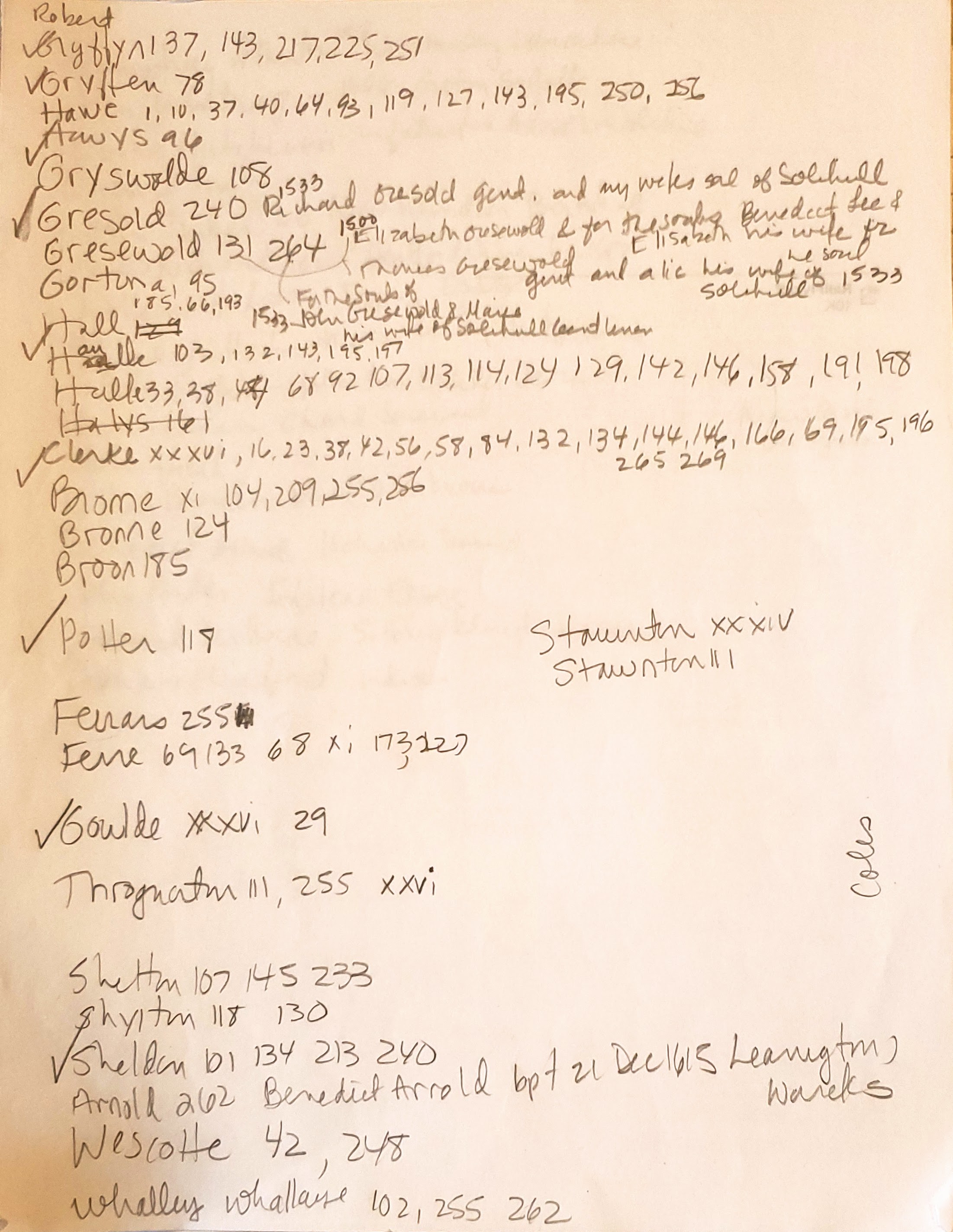
If anyone makes you feel bad, then I suggest not following their advice. Life is too short to feel bad when you don’t have to. So bottom line is do it any way you wish. If setting goals motivates you, then by all means set goals. If you hate the pressure then try out some benign lists. There is a great satisfaction for me in checking things off. But an unfinished list is just like a shelf full of books—lots of possibilities and I pick the one that calls out to me in the moment.
Kelly Wheaton © 2022 All RIghts Reserved
 Wheaton Wood