A Soprano’s Aria: Lulu’s Diary
Posted on September 10, 2021 8 Comments
Introduction: Chapter 1
“When encountering very unusual and difficult family information in your research, what do you choose to publish?” Ross Williams Vita Brevis
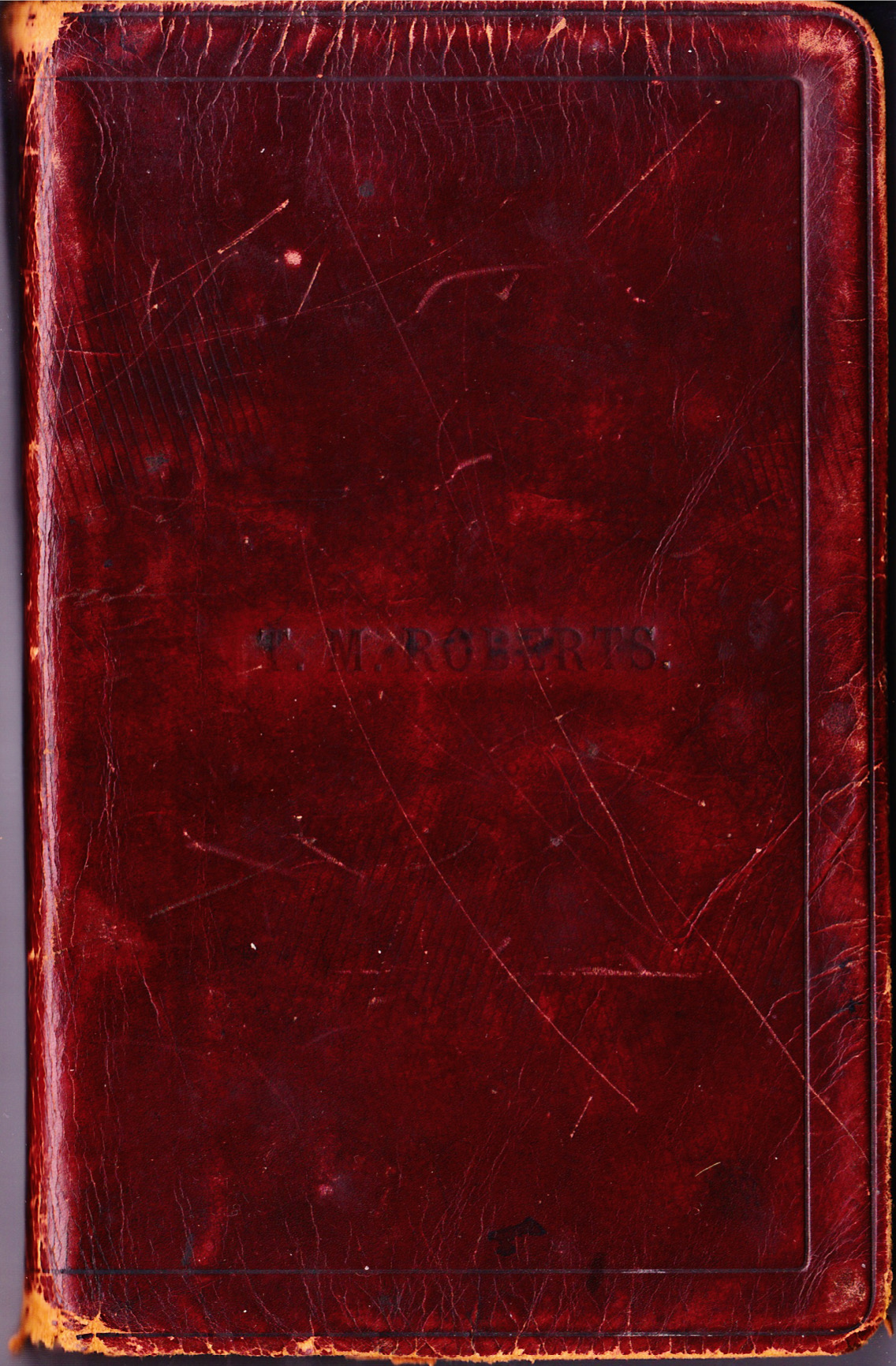
1918 “Wed Mar 6 – I received another letter from Frank imploring me to return to him. He is going to church and is sorry he didn’t take the stand earlier. Says God has forgiven him and asks mine etc. All this threw me into a nervous outbreak in which I recited in minute detail old bygone acts of cruelty, indifference and neglect on his hand till Jessie begged me to forget it and when I said I was going to write she persuaded me not to. My head began to ache and think as I could I could find no way out. Every door of happiness seems locked to me. Even here in the quiet country I find no peace for his letters calling me his dear wife seek me out. It sounds too hollow and empty he was never my dear husband for any length of time and there never was a time in our married life when his wishes wants and desires didn’t come first. I took off his ring and hope I’ll never wear it again. I’m cautious in my statements because I know my weak will and I’ve been dominated by him so long that I can scarcely call myself an individual, but no matter what comes I do not want to be his wife any more and never will of my own free will and accord.“
BACKGROUND
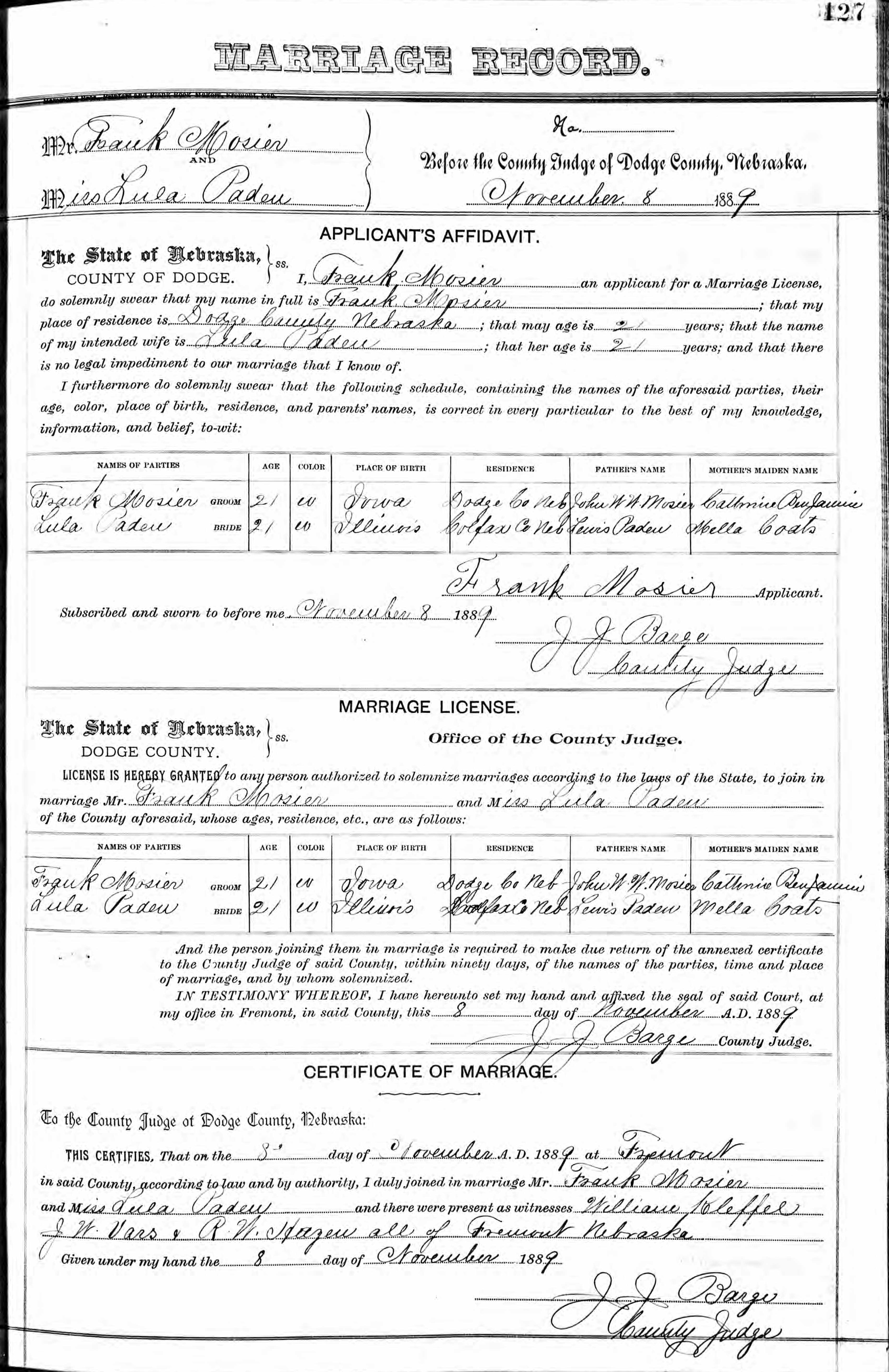
Mary “Lulu” PADEN was born at a time when most women had few choices. She was born of tough Scottish and German stock the 16th of November 1867, the first child to Civil War Veteran, James Lewis PADEN and his wife Millicent Almena COATS. She was joined by a dozen siblings including a set of twins, and no doubt she had a hand in helping to raise them. At the age of twenty-one she married Franklin Stewart MOISER, also of Scottish and German ancestry. A good scrutiny of the marriage license gives a valuable clue. Lulu and Frank were married by J. J. Barge, a County Judge in Fremont, Dodge county, Nebraska. None of the witnesses are family members. My guess is they did not approve.
Lulu’s diary begins in Minneapolis in 1910 with her Correspondence Record, a listing of letters written and received. She starts recording events and thoughts in September of 1913. She seldom if ever uses apostrophes. There are many misspellings and sometimes indecipherable words or passages. As she begins writing it is mostly the mundanities of life, interspersed with historic events. A far cry from where we are five years later, as the passage above illustrates. We are an audience Lulu could not have imagined as we mark her growth as a woman and as a writer. Her voice is compelling in its ordinariness, and its candor. Explanations or insertions appear in [brackets].
1913
Monday Sep 1 Labor Day first-day of State fair at Hamline [University] also childrens day. Lolita and Milo went.
Sep 2 Frank went to work for Dr S Stove Company. Children start to school at Col Hgts [Columbia Heights] and East High
Sep 3 Remained at home doing house work and sewing
Sep 4 baked bread
Sep 5 Did a big wash (very hot)
Sep 6 Attended the State Fair. Jessie finished her weeks worth with ?Nasted? at the fair grounds. F.S. [Frank Stewart] came out in evening and escorted us home. Weather perfect. [Louis] Disbrow made 5 mi in 45 in auto races
Sep 7 Sunday and resting and killing time. Dull work. Jessie brought Lolita home from Whitneys from her week end visit
Sep 9 Cool and windy. Baked bread and cake. Ruth and baby called. Della sent white skirt home
This sharing of Lulu’s Diary would not be possible without my second cousin, Dale Mead’s willingness to scan and share our mutual great grandmother’s diary. The diary was to be destroyed upon Lulu’s death, but her daughter, my great aunt Jessie, thought better of it— My cousin Malia Hammerstrom has helped greatly with transcription. And my cousin Nancy Young has also lent a hand. The background research is my own. The words belong to Lulu, but tell a universal story. I will post in installments. Please follow my blog to receive them.
Kelly Wheaton Copyright 2021. All RIghts Reserved.
NAME CHANGERS
Posted on September 7, 2021 Leave a Comment
This is a blog post with examples of name changes from the simple to the dramatic. Let’s begin with the simple.
SIMPLE SPELLING CHANGES
Simple name changes often begin with a simple spelling error. There is usually nothing nefarious about them. The person speaks their name and it is recorded as the person heard it. This happened with my grandfather when he joined the Marine Corps. LUNDBERG became LUNDBURG and that’s the way he spelled it evermore. In the 1910 census it is spelled with an “e” and when he married in 1913 with an “e” and in 1918 recorded on US Marine Corps muster rolls with a “u” and on the 1920 census and all subsequent documents it is spelled with a “u.”
We are hung up about spelling. Let us remember in earlier centuries people were not at all concerned with it. The same name might be spelled 3, 4 or even 5 different ways in the same document! The idea was to get the point across—no worries about spelling names many different ways.
GERMAN NAME CHANGES
My German ancestors excelled in the art of simplification especially upon reaching American shores in the 1700’s. Or later even adding or exchanging letters. Some examples:
RIEMENSBERGER> REMSBURG> RAMSBURG sometimes RAMSBURGH
LEYE> LAYE> LOY
LIESER> LUSER
HENNINGER> HENEGER> HENAGER
MOSER> MOSIER
SCANDINAVIAN NAME CHANGES
This one take the cake! My 3rd great grandfather was born Gustaf Bengtsson 11th of August 1801 in Hakarp, Jönköping, Sweden following patronymic protocol he was the son of Bengt Jonsson. But when he married he had taken the name Gustaf WARNSTRÖM.
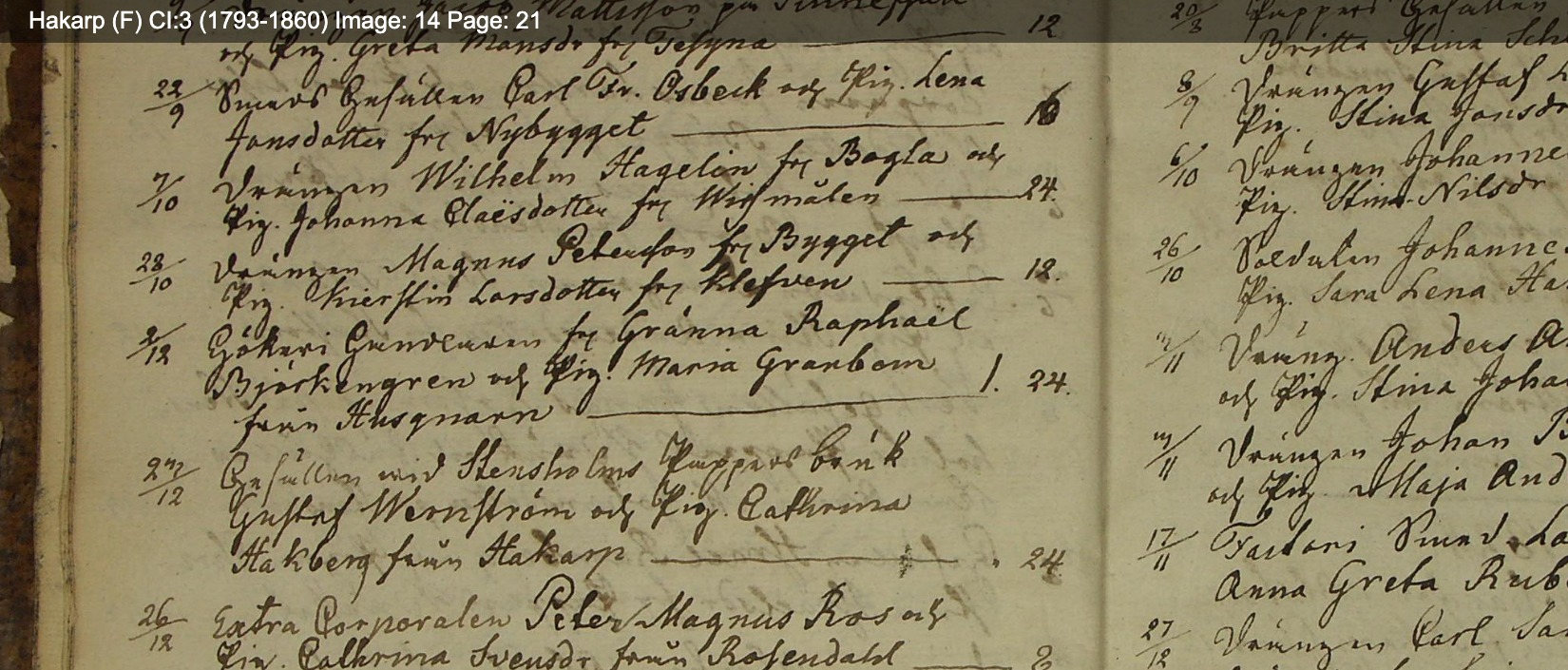
His son my 2nd great grandfather was baptised Carl Gustaf WÄRNSTRÖM 18th of August 1829 Fässberg, Västra Götaland, Sweden. When Carl immigrated to America on the 9th of August 1854 he was listed on the NY passenger list as Carl WENNERSTRUM. A year later, 19th of May 1855, he is married in Chicago as Carl Gust. WERNSTROM to my 2nd great grandmother, Elizabeth Olson.

By the time they settled in Minnesota 2 years later in 1857 the name becomes Charles VANSTRUM. Incidentally this is the name that he continued to be known by, as well as his descendants.

But not to leave well enough alone, in 1898 he returns on a visit to Sweden and he is registered as Karl WENNERSTRÖM. So here is the full listing of the progression of this name:
- Gustaf BENGTSSON 1801
- Gustaf WARNSTRÖM 1821
- Carl Gustaf WÄRNSTRÖM 1829
- Carl WENNERSTRUM 1854
- Carl Gustaf WERNSTROM 1855
- Charles VANSTRUM 1857
- Karl WENNERSTRÖM 1898
7 different names in less than 100 years!
DRAMATIC NAME CHANGES
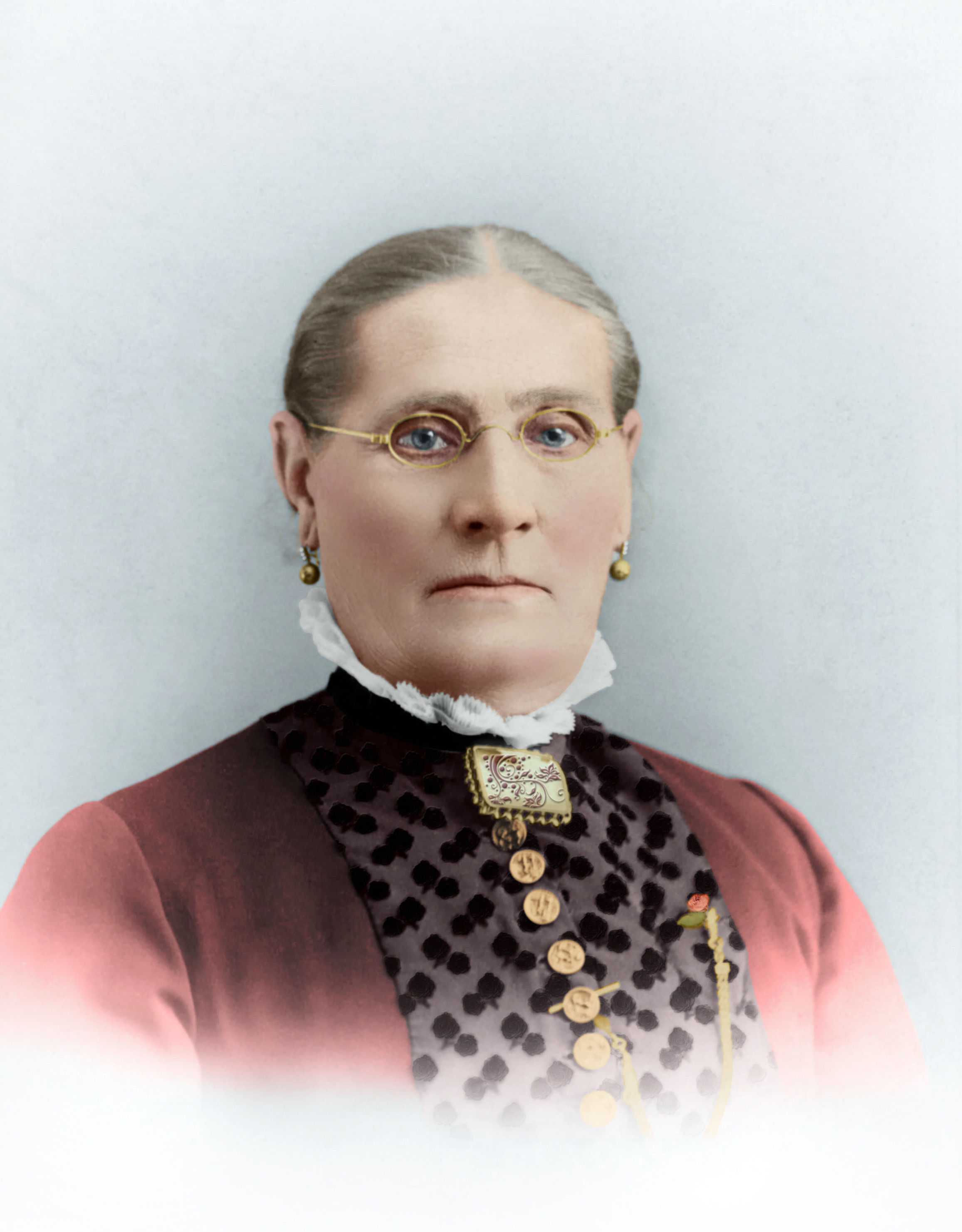
My most confounding, difficult name change was that of my 2nd great mother Elizabeth OLSON. Her marriage entry to Carl VANSTRUM is shown above. My aunt and I searched for her in vain for nearly 40 years! We had her birthplace in Norway and the birthdates for her and her sister Sigrid. Letters to many, many archives in Norway. Ingen, nada, nilch, nothing! Then with some help from a Norwegian Research Facebook Group voilá Elizabeth OLSON was discovered to be none other than Asloûg Eliffesdotter. Apparently the lazy archivist in Norway couldn’t be bothered when the names did not match, Asloûg was there all the time! Never give up.
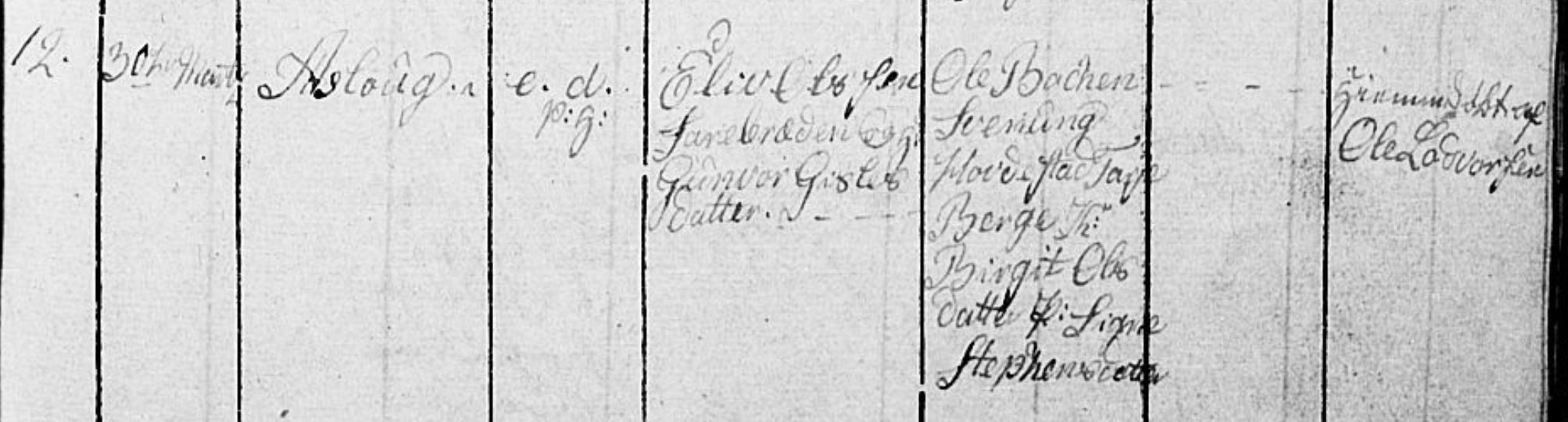
Her father was Eliv or Eliff OLSSON. So when she Americanized her name to Elizabeth she was taking something quite similar to her father’s name. Eliff OLSSON = Elizabeth OLSON. Not so random after all.

Name changes, happen. They happen for many reasons. It is unlikely that a name change took place on entry to a country. The ships passenger lists and immigration records at least in 20th C records are usually a match. Name changes most likely happen as people adapt to their new environment. The bottom line is keep an open mind. Take advantage of Soundex type tools that allow matches on similar sounding names. And please don’t insist they can’t be your relatives because they spelled their names differently.
Kelly Wheaton Copyright 2021. All Rights Reserved.
FAMILY HISTORY WRITING Assignment #1: Pick a Heirloom
Posted on September 6, 2021 8 Comments
This is a very focused writing assignment but be forewarned it can lead to more than you expect. You will need to pick an item. It can be something of your own or something passed down through the family.
INGREDIENTS:
- an item to write about (more on picking an item below)
- an interest in the item
- something you “want” to tell the story of, or are willing to find out more about
- a camera or phone
- a medium for writing
THE PROCESS
- Wander around your house looking at objects
- Jot down possibilities
- Decide whether this is something you would like to tell your heirs or friends about
- If you don’t know much about the object are you willing to do some research?
- Pick something that matters to you! It can be a ticket stub, a piece of jewelry, a photograph, a medal, a coin, a watch, a painting, a vase, a document, a sculpture, or a toy. (Avoid collections for now.) Just pick one object!
- Take one or more photographs of the selected item
- Think of someone, your audience, to direct your writing toward
- Choose a Title. This is the MOST IMPORTANT STEP! Get this right and the rest will follow.
- If it isn’t evident from the photograph—describe the object and what it is
- Who owned the object before you? Where did they get it? Who manufactured it? Is it valuable?
- Tell me what it means to you. Tell me a story about where this object has traveled. Why does this object matter.
CHOOSING THE TITLE
I can not over stress how very important this is. The title determines the direction you will go with your writing. Whether it will be worthy of keeping or be destined for the circular file. You will be the judge and you are your own worst friend. So let us say you have selected a baseball that was caught by your father at the 1962 World series game between the NY Yankees and the San Francisco Giants (I am making this up). So brainstorm possible titles.
- Dad’s Baseball
- Broken Glass
- Broken Glass: Dad’s prized baseball
- The Giants Lost: The day Dad caught the ball
- 1962 World Series: It’s only a Baseball
- Home Run: The 1962 World Series
The way you title the story will determine the story you tell. Every object has many stories—setting the Title sets the stage.
THE BODY
It does not matter whether you have two paragraphs or several pages. Just get as much detail as you can down. If you simply cannot bring yourself to write, speak your answers into your phone and let it do the typing. If the object belonged to a relative before you, consider including their photo and something of interest about them. PLEASE DO NOT TELL THEIR LIFE STORY. The objective is to learn to write about something, make it interesting enough that upon reading your story the item will not be discarded. MAKE PEOPLE CARE. Once you have some writing and a photo or two, if you haven’t already, type into a word processing program or blog post. Play around with the order of your descriptions. Do you want to lead with the object itself, or do you tell the story of how it came to you. Do you tell the circumstances or its history first or last. These are editorial decisions for you the writer to make. The key is to get the information down then play with the sentences or thoughts.
Possible opening sentences for our baseball story:
- The shattered glass was the least of it. I had “borrowed” my dad’s prize baseball and “accidently” sent it through Mrs. Wilson’s front window.
- Dad loved his beloved SF Giants. During baseball season no matter where he was he listened to them on the radio.
- The mantel above the fireplace held my Dad’s prize possession, a baseball from the 1962 World’s Series.
- “I hate you,” yelled my little sister as she grabbed the baseball out of my hand.
- The only thing my Dad and I had in common was baseball.
The title is the hook but you can set it will a strong opening line. Good stories often start with a dilemma, some tension or a mystery. A good story has emotion. It can be happy, sad, mad or glad—a good story makes you feel. It isn’t the heirloom that matters—it is the story or emotion it evokes in us.
EDITING
Once you have your story set down and have played with the ordering of your thoughts and sentences. Many beginning writers try to edit BEFORE they even get the story to paper. Write with reckless abandon. Wait until editing to be RUTHLESS. How many words can you eliminate and still get your point across? What is superfluous and unnecessary for the story you have written. If you take it out will the story flow better—can you use it for its own story? Tighten up your writing. Get rid of those qualifiers “I think, I believe, she may, etc.” Speak with authority. “I could see the fumes escaping his ears as he walked into my room.” “Dad’s enthusiasm was infectious.” “I could not even utter, ‘I am sorry.'” Yes you are telling a story about an object—but your story is telling me more.
FINISHING
No piece of writing is ever done. But it helps to give it an end. If you completed this assignment and have written something about an Heirloom, print it out and if the heirloom is stored put it with the object. If it is displayed put the story with your estate papers. If you only write one story, or many this is a gift. An object with a story or provenance is worth ten times an object without it.
Kelly Wheaton Copyright 2021. All RIghts Reserved
The Bluette Diner: What you may be Missing if you aren’t Colorizing your Black & White Photos
Posted on September 5, 2021 14 Comments
A poll asked the question “Which do you Prefer Black and White photographs or color? Asking a photographer such a question is really asking for trouble. I love black and white art photographers, to name a few: Dorothea Lange, Henri Cartier Bresson, Ansel Adams, Edward Weston, Imogene Cunningham, William Garnett, Annie Liebovitz, and Margaret Bourke-White. It’s not whether I like Black & White Better. For genealogy and forensic purposes Color makes a huge difference. And of course most of our early family photos, if we are lucky enough to have any, are in Black and White. If you haven’t tried colorizing your photos let me share some examples to inspire you to give it a try.
Let’s start with the Bluette Diner which my grandparents, Helen Mildred (SHELDON) and Roy Sidney LUNDBURG designed and owned in the late 1930’s in Oakland, Alameda County, CA. Here is a photo of the diner that has been colorized.

And here is the original:

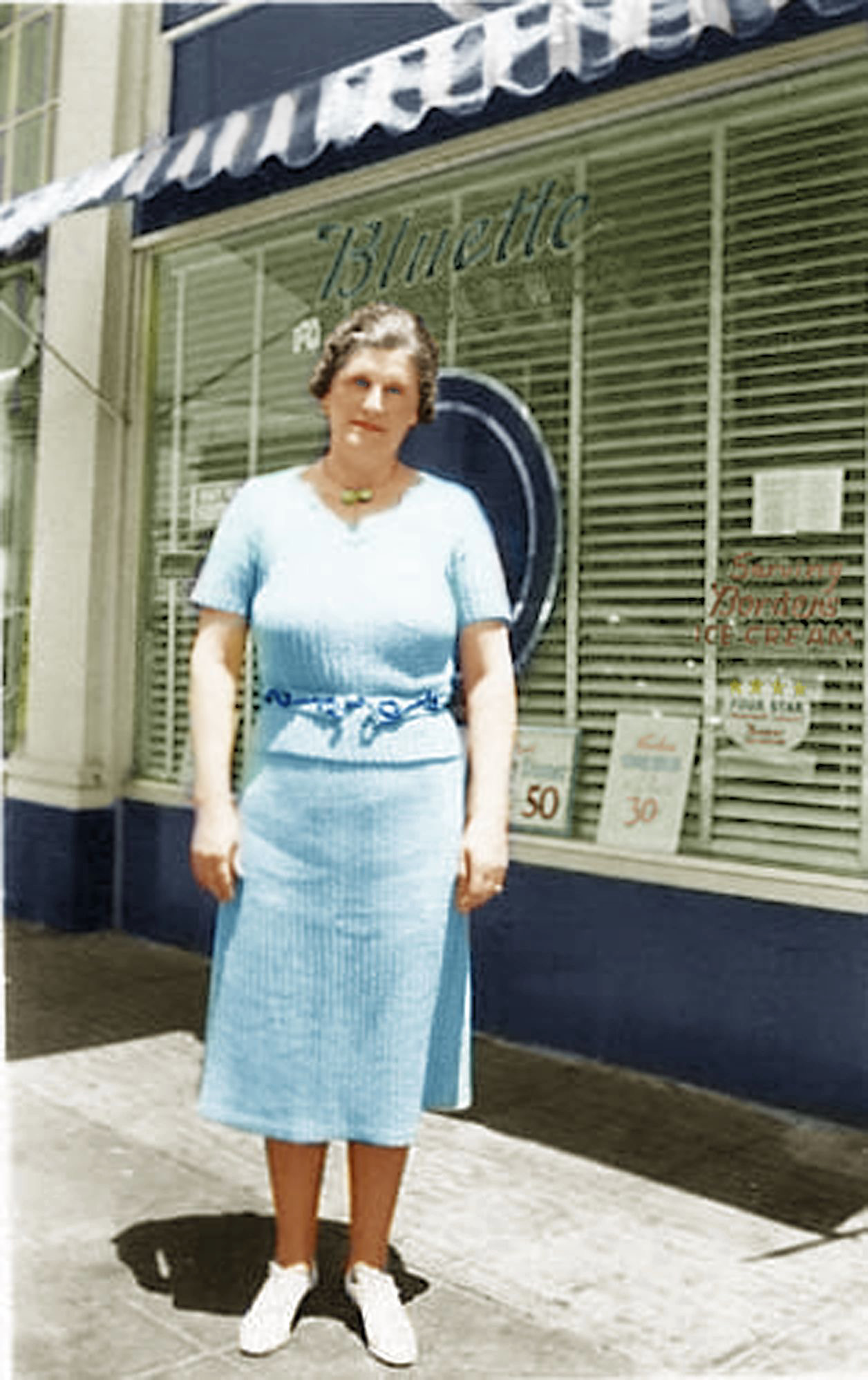
Please note all the detail that comes to life with colorization. There’s a chocolate cake on the counter, Mily bottles and Fruit. It brings you right back to the era when a colorization is well done. This one had some help with the colors, since my grandmother had written details of the reverse. Thank you grandma!

“The shop is all blue & white & chromium. Front of counter is white leather with metal strip. The back bar is all satin aluminum blued on the wood.”
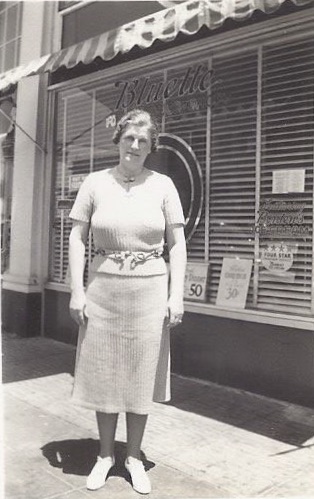
And it isn’t just places that benefit from colorizing. Here is Helen in front of the Bluette.
This is a photo of Helen’s two daughters Dorothy and Jane and a pony in Black & White about 1933:

See what a difference colorizing makes. Here are 3 different artist interpretations.


The first one the artist included some snow falling! If you use one of the FREE Facebook Colorizing groups you do not get to chose the artist. You will note each one uses different colors and brings out different details. Note the boots in the middle photo.
Here is another comparison this of Helen Mildred Sheldon
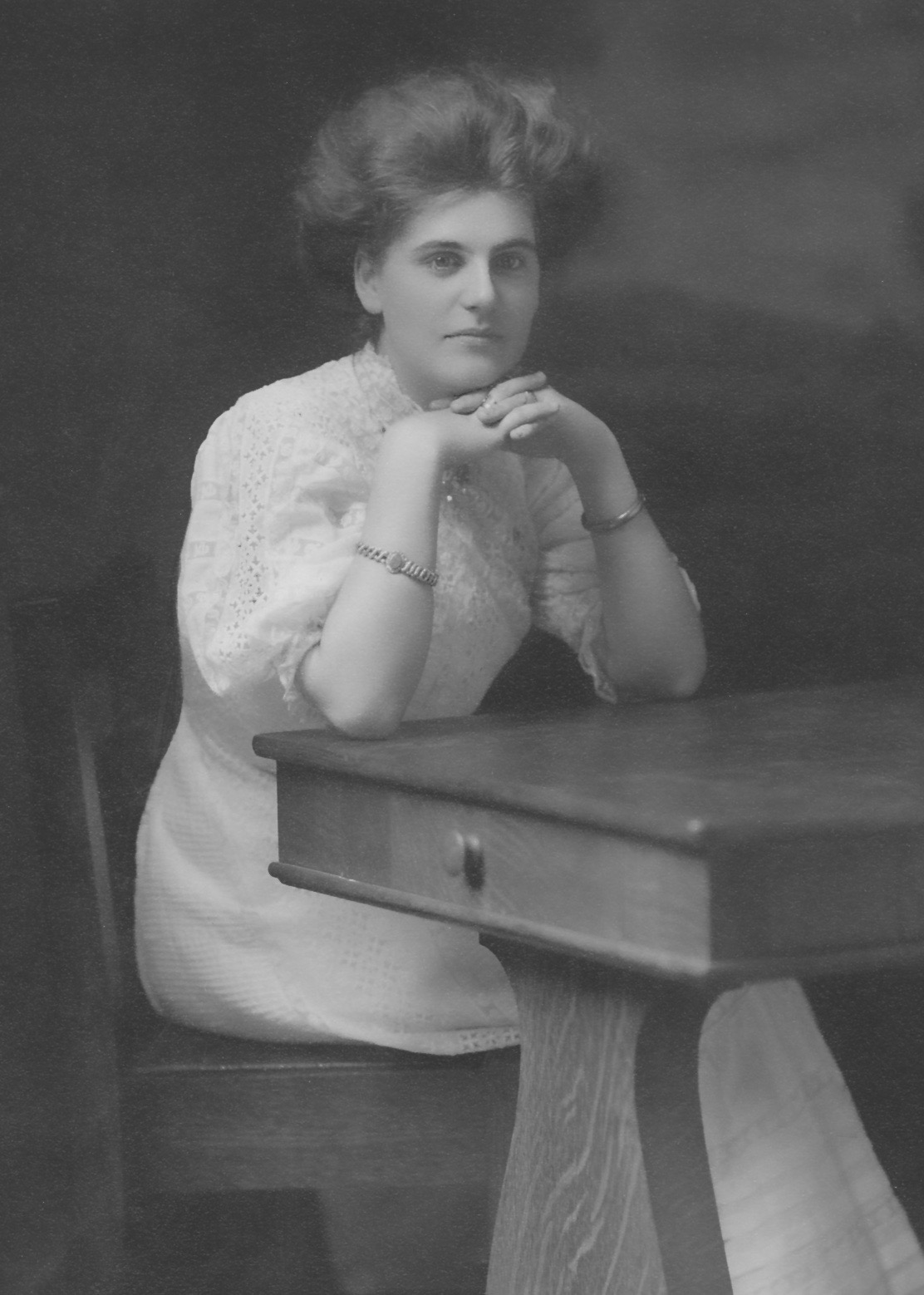

So where can you get this done? You can purchase software and learn to do it yourself. You can upload to one of the FREE Facebook groups, You can use MyHeritage’s restoration and colorizing tools or you can hire an artist that specializes in restorations. There are quite a few listed on Etsy.com
I can’t finish this post without rounding out a bit more background on the Bluette. My grandmother Helen Mildred SHELDON graduated from Michigan Agricultural College with a Bachelor of Science in Home Economics 18 June 1912. So she was perfectly equipped to make a go of a Diner.
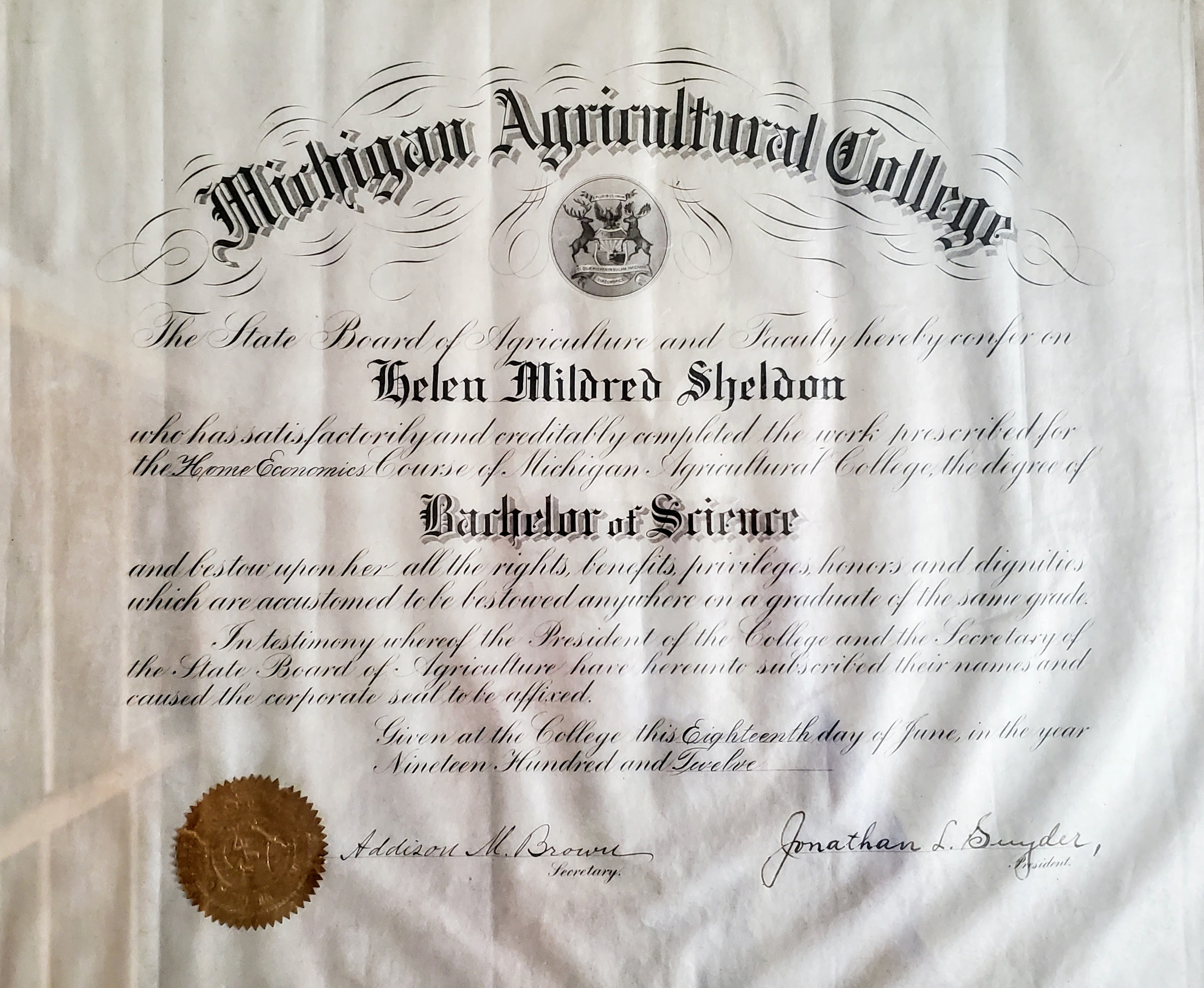
18 June 1912
The Bluette business card.

And a clipping from the Oakland Tribune 16th of August 1936:

And one last photo of Roy S. LUNDBURG standing at the entrance and likely my aunt Dorothy in the shadow. Yet to be colorized.

If you haven’t tried colorizing please give it a try. You may be surprised on the richness it adds to your photos and stories. Feel free to post before and after photos in the comments.
Kelly Wheaton Copyright 2021. All RIghts Reserved.
Writing Stories: Writing Begins With a Title
Posted on September 5, 2021 1 Comment
“If you do not tell the truth about yourself you cannot tell it about other people.” Virginia Woolf
For many beginning writers or future writers the two hardest things are “what to write about” and “how to get started.” Choosing a title helps me focus my writing and defines the parameters. Occasionally I may refine a title after I am finished writing, however, most of the time it is the first bit of writing I do, (including this piece). Especially when writing family stories (or blog posts) the title is designed to attract your audience, but it should also help you define what it is you are going to be writing about.
Let’s talk about how to kill your writing vs. killer titles. If you title your piece The life of Daniel Charles Coats you have already lost most of your audience and you have set yourself up for failure. First, most people, and most especially your family could care less about your genealogy of Daniel Charles Coats. Second, the story of someone’s life is huge in scope. Your goal in setting the title is to make Daniel interesting. A story is NOT a recitation of facts. It is NOT Dan was born here, married to so-n-so and died and is buried thus. There’s a lot of Genealogy writing that goes this way—and is destined to kill the subject because the audience will never read it.
My piece about Dan Coats is based on a newspaper article and a county history story. It is titled Ice Cream Melons & Foxes: It’s the Mouth Watering Details that Bring an Ancestor to Life. Remember your goal is to resurrect the dead and bring their lives into focus, NOT to bore your audience to death with a recitation of facts. So, what interesting things did you find when researching your ancestor? Did she live to be a hundred? What history would she have witnessed? Did he marry 6 times? Do you have a letter or heirloom that belonged to her? Do you know where he lived? Can you research the house or farm? Is there a newspaper clipping, or story about your ancestor? These can all be the subject of an interesting story. Remember your story can be short. You can tell a story in 17 syllables like Haiku poetry does.
For your first piece of writing make the focus very tight. Heirlooms are a great place to start. Tell the story of what it is and who had it. How you acquired it and what its significance is to you. I am going to suggest that you put yourself in the story. Why? Because it tends to make stories more personal and interesting. If you always keep your subject at arms length your stories will lack passion. Engage with your ancestors so when others read about them they will care too. Read the above quote by Virginia Woolf, again.
In my story: The Challenge: Tokyo Rose the story was about how my husband’s remark “Well you know your Dad was a bit of a storyteller” led to my investigation into my Dad’s claim that he had testified in the trial of Tokyo Rose. It is not a history of my father or of Iva Toguri D’ Aquino, although details of both are included. Setting the title can narrow your scope, engage the audience and make the objective easier to achieve. My goal is to get you writing stories about your ancestors. Do not just think about what you might write someday, what can you get started on today.
MY PROCESS
- I write the title first!
- Most of the time, I write electronically, that is I do not write on paper before typing out my story
- I do use a pencil to take notes
- I keep a list of ideas or titles
- I often have 2-5 stories/blog posts started at the same time
- I have no set time frame
- I often take photos to supplement my stories
- Long pieces can be broken into parts or converted to a full fledged story or page
- If you have enough stories about an individual or family they can be put together as chapters in a book
Some ideas by topic to inspire you from my blog:
THE WHY OF WRITING
REFORMED GENEALOGISTS: Turning Trees into Stories. My most popular blog post
Confessions of a Rabbit Hole Genealogist: The Defense of Inspired Genealogy
On What We Leave Behind: Writing
PROCESS
Organizing Your Genealogy: How I Do It
Things Aren’t Always What They Appear to Be: Context Matters and the Case of the Missing Record
Genealogical Research: Is there a Method to the Madness? YES
The Bluette Diner: What you may be Missing if you aren’t Colorizing your Black & White Photos
The Case of the Mysterious Birth Certificate
HEIRLOOMS
Knotted Strands: The Misattributed Heirloom
The Well loved Family Heirloom
The Inherited Object Revisited
STORIES
A Trip Down Memory Lane: One way to access the stories of our past
Cause of Death: Before Antibiotics and Vaccines
The Places You Go, the People You Meet
A Tale of Two Soldiers: My Two Civil War Soldiers
LEGENDS, LIES & LIBERTIES: Family Stories in Perspective
EXPLORING A FAMILY LEGEND: The SHELDONS and the Underground Railroad in Michigan
Kelly Wheaton Copyright 2021. All RIghts Reserved.
A Feral Family Tree: A Genetics Guessing Game
Posted on September 3, 2021 Leave a Comment
If you are neither interested in cats or genetics—you might want to skip this one. I couldn’t help myself.
BACKGROUND: I have been a tad bit busy the past week in an unexpected adventure. I live in a semi rural area that over the past few years was adopted by a few feral cats. About 2 years ago my daughter, who used to be involved in animal rescue, helped trap & catch a momma cat and her litter of seven. Our combined families adopted all seven! But Momma had an earlier litter that went mostly missing. There was one named “Cakes” who was Black and White spotted, but we have not seen in a long while (never caught so un-fixed). Momma also has been missing although she IS fixed. Momma Kitty was a Calico.
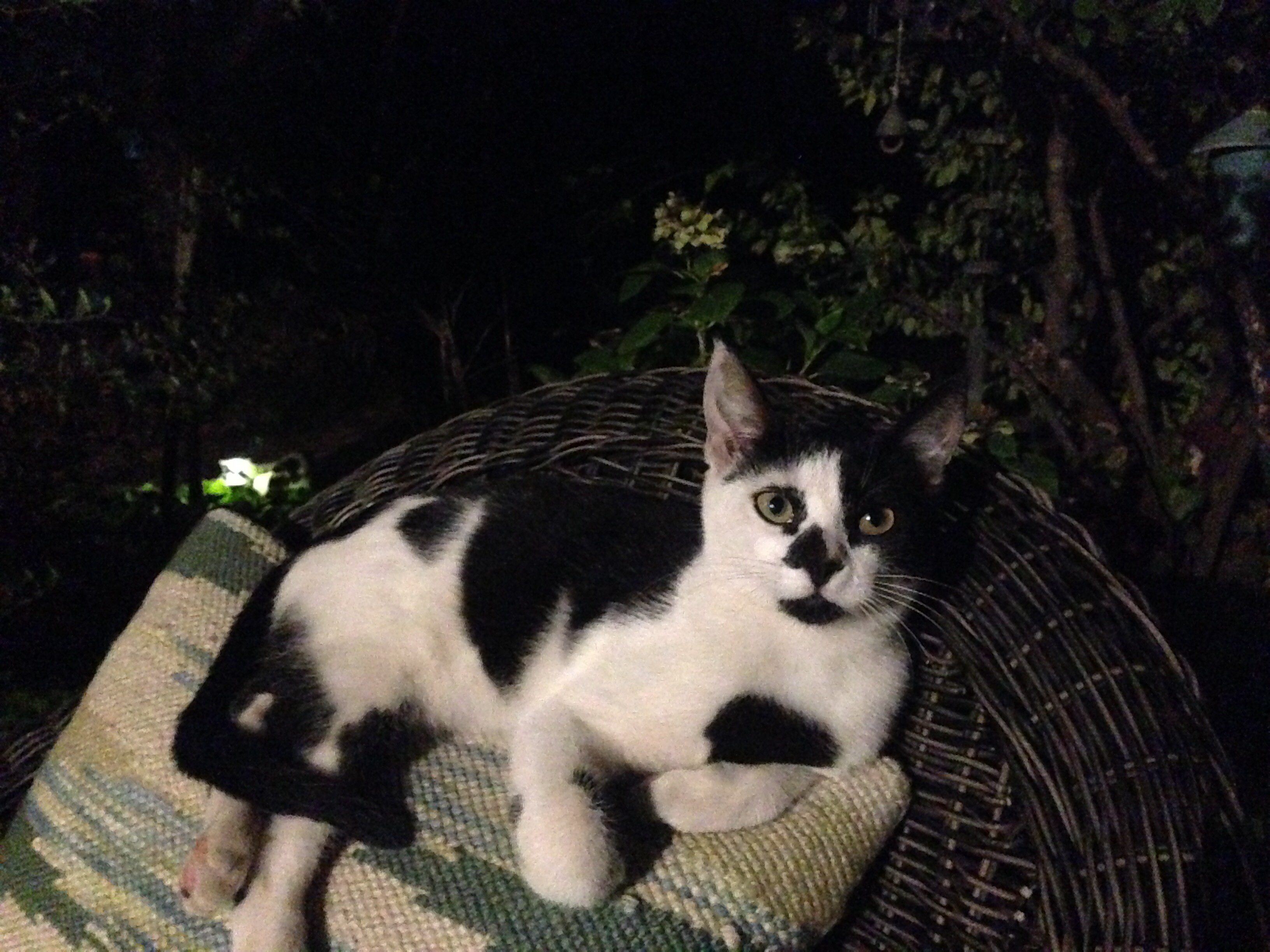
Then a month or so ago 3 young adults began showing up and making the rounds. Not sure if they were from the earlier litter, but could be. Well before you could blink an eye one had a litter in a neighbor’s shed. So with help from The Ripple Effect Animal Project we set out to trap these cats. Now less than a week later, we have trapped the 3 young adults, trapped a bonus 2 month old kitten (daughter of one of the 3) and captured all 4 of the new Momma cat’s offspring. So what does that have to do with genetics? It turns out more than you think.
Well I couldn’t help but reflect on the sum total of these cats (12 total) and what they show about genetics. This is not scientific but it is informative. So to start we have 3 adult cats for which I do not have photos. One was a male orange long hair classic tabby, one a female long haired calico and one a male short haired Gray with white feet. There are basically two colorations that create all the different cat colors we see. Basically Red and Black. (white being the absence of pigmentation). Who knew? More on cat color genetics here.
FIRST GENERATION:


The two Tom’s had no names and were not in our close vicinity though we saw them on walks. Unfortunately they were both the victims of the adjacent Highway. The middle one the Calico was called “Momma Kitty” She had 2 litters we know of but the first litter I am uncertain of how many offspring she had. Most disappeared—whether to coyotes or what not we do not know or perhaps the 3 recent cats are part of that original litter. Cakes pictured at the top we know was her offspring, so potentially the first litter may have looked like this. (I believe there was also a calico).
SECOND GENERATION: First Litter


SECOND GENERATION: Second Litter
The next litter she had 7 kittens as follows: 2 Female Gray shorthairs with white markings, 1 female long haired calico, 1 female shorthair white with gray spots (not pictured), 1 orange male long haired classic tabby, 2 Black and white male shorthairs. So we know the likely father of the male orange tabby is likely the orange tom. In fact in nearly has to be because of the needed color and that long hair is recessive so both Mom and Dad need a long haired allele. In fact about 81 percent of orange cats are male. And the grays are likely from the gray Tom—the black and white, gray and white and calico are likely coming from Mom’s patterning (as a calico she has all 3 colors), so she can express any of these colors in her offspring.

Fast forward two years and we have 3 young cats roaming the area. One gray with white stockings (just like the Gray Tom), one white with tabby markings and one black and white. We are not sure where they came from precisely but they may be the missing youngsters from first litter.

“Ashley” 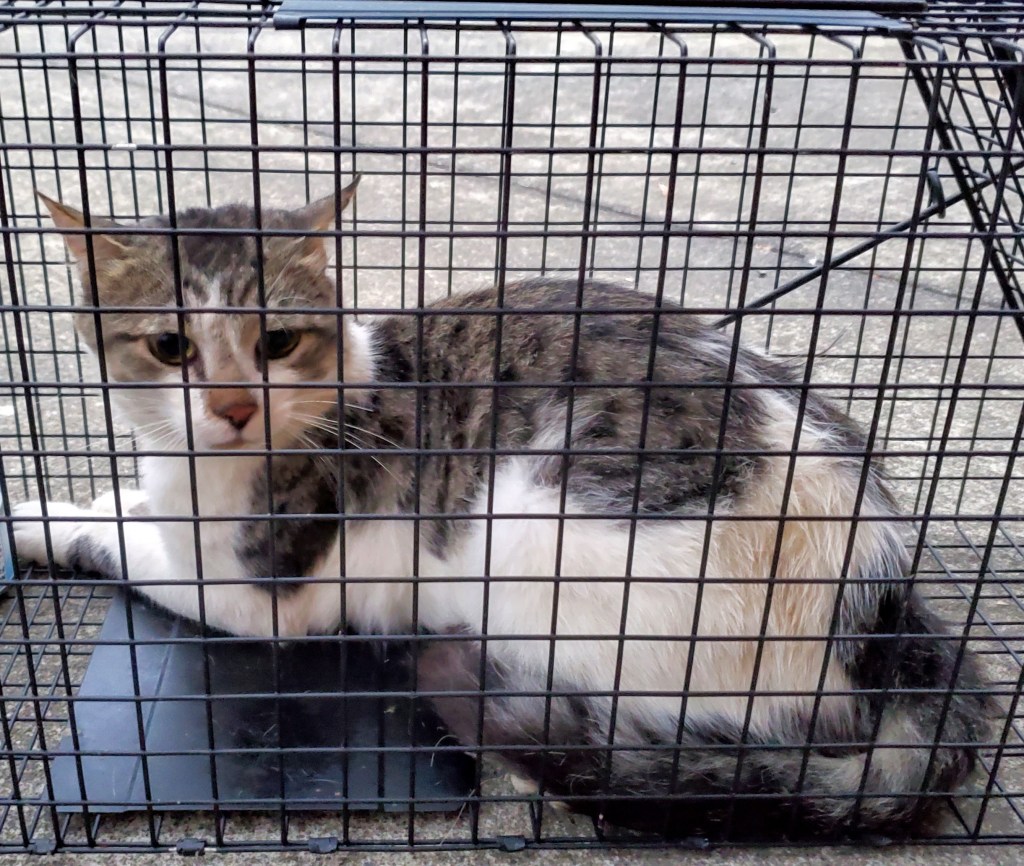
“Roger”

THIRD GENERATION
Ashley + Roger =
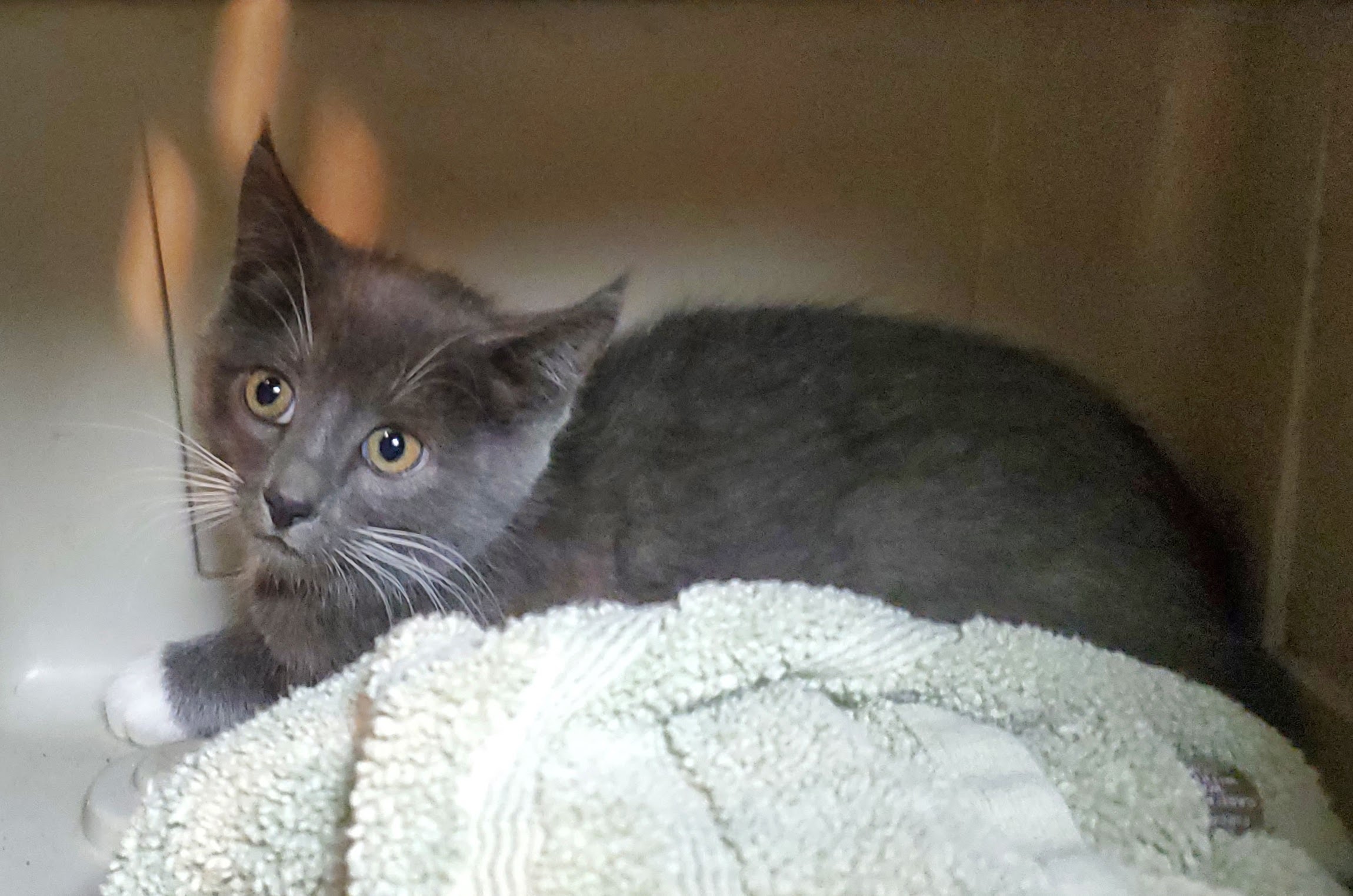

Savvy 
Roger
Savvy + Roger=

And hopefully this is the end of our mini-feral cat family tree! The kittens are being socialized and will be put up for adoption once they are fixed. The 3 young cats: Roger, Savvy and Ashley and 8 week Smoky have been spayed and neutered. The first three have been released back into the neighborhood. Smoky was young enough and she is very friendly, so is being socialized and will be adopted. The moral is to Trap, Neuter and Release! (TNR). If you remove all the cats more ferals will take their place. If you do nothing you will have dozens of cats in short order. If you can capture feral kittens they can be socialized in the first 4-8 weeks. After that it becomes increasingly more difficult.
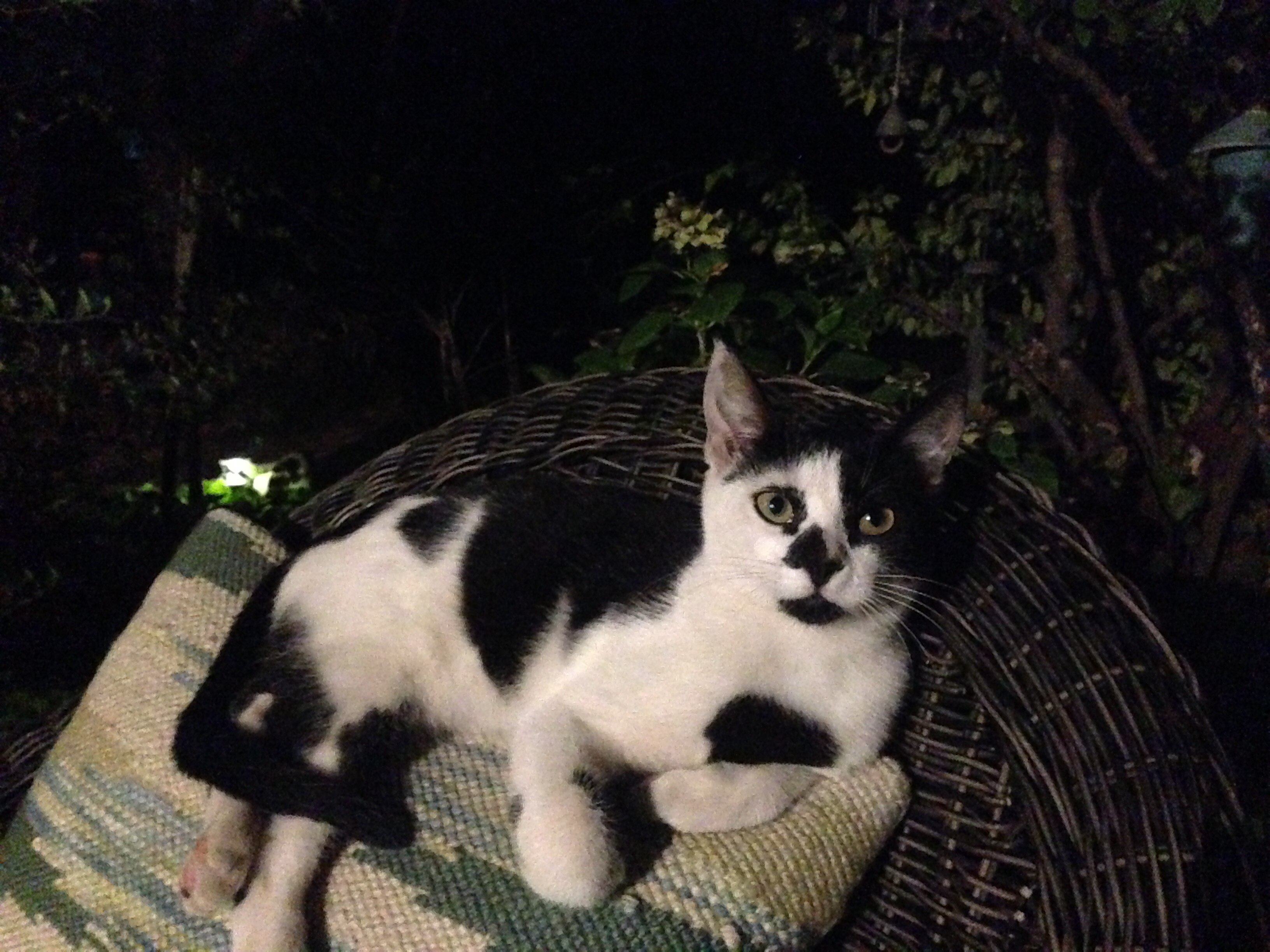


It’s all genetics— each one is a unique expression! I promise next post will be back to human genealogy.
Kelly Wheaton Copyright 2021 . All RIghts Reserved.
The Challenge: Tokyo Rose
Posted on August 29, 2021 9 Comments
“We live history forward, in the chaos of onrushing events, without a clear guide, but we judge history backward, smugly armed with the knowledge of what did happen and uninterested in what might have happened.” Robert Kagan

The genesis of this story began many years ago after my dad had died. He had been interviewed about WWII for the Camp Tarawa Project and I was reading the transcript when I came upon this question and answer which took me by surprise:
Q: You briefly told us you were actually involved in the trial of Tokyo Rose whose real name was—?
A: “Iva Toguri D’ Aquino. She married a Portuguese national. And the whole trial could have been thrown out because at any moment that she chose to claim it, she could have been a Portuguese national. She didn’t have to serve. She served 5 years of a 10 year sentence.“
I was relaying this story to my husband and he said, “Well you know your Dad was a bit of a storyteller.” Well if you know me, you know all I need is a challenge like that to spring into action! To my knowledge my Dad NEVER made up a story out of whole cloth. So with laptop in hand I went looking for proof that my Dad was indeed telling the TRUTH. It only took me about 15 minutes to find what I needed straight from the FBI via the National Archives.


If you are unfamiliar with Tokyo Rose please click on her name for more information. (Or check out the book “The Hunt for Tokyo Rose by Russell Warren Howe“). What was important to me was proving my father’s honor. However of even more import was knowing that as a young Marine, returned from fighting in the Pacific he would stand up for what was RIGHT even at a time when this was unpopular.

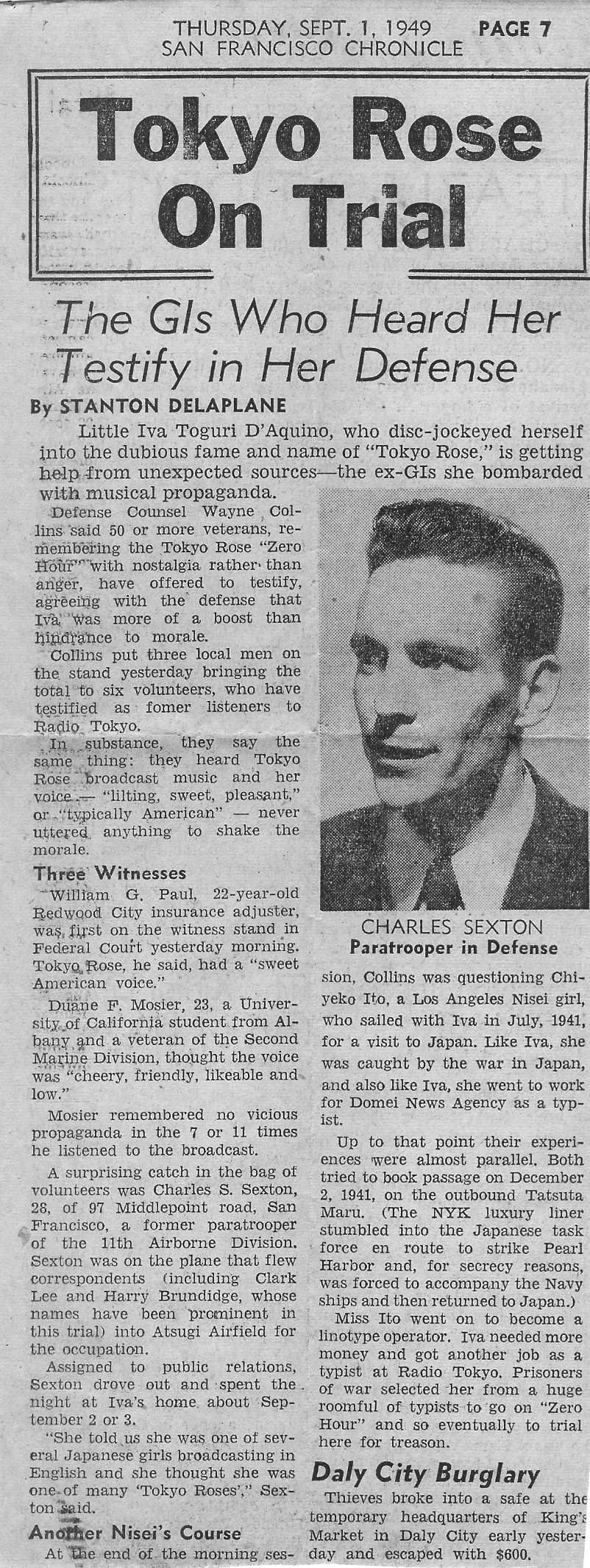
A bit more from the interview:
Q: Why were you called to her trial?
A: “Because Bob Speed was an attorney, defense attorney, was a very good friend and he asked if I would talk to the defense attorney and I said, ‘sure’ and suddenly I was thrust into the biggest federal criminal case that had ever happened in California, at least, maybe the whole nation.“
Q: And you only met her?
A: “Just because I was a witness on her behalf and she was present at the trial.“
Q: “You didn’t know her before the trial?“
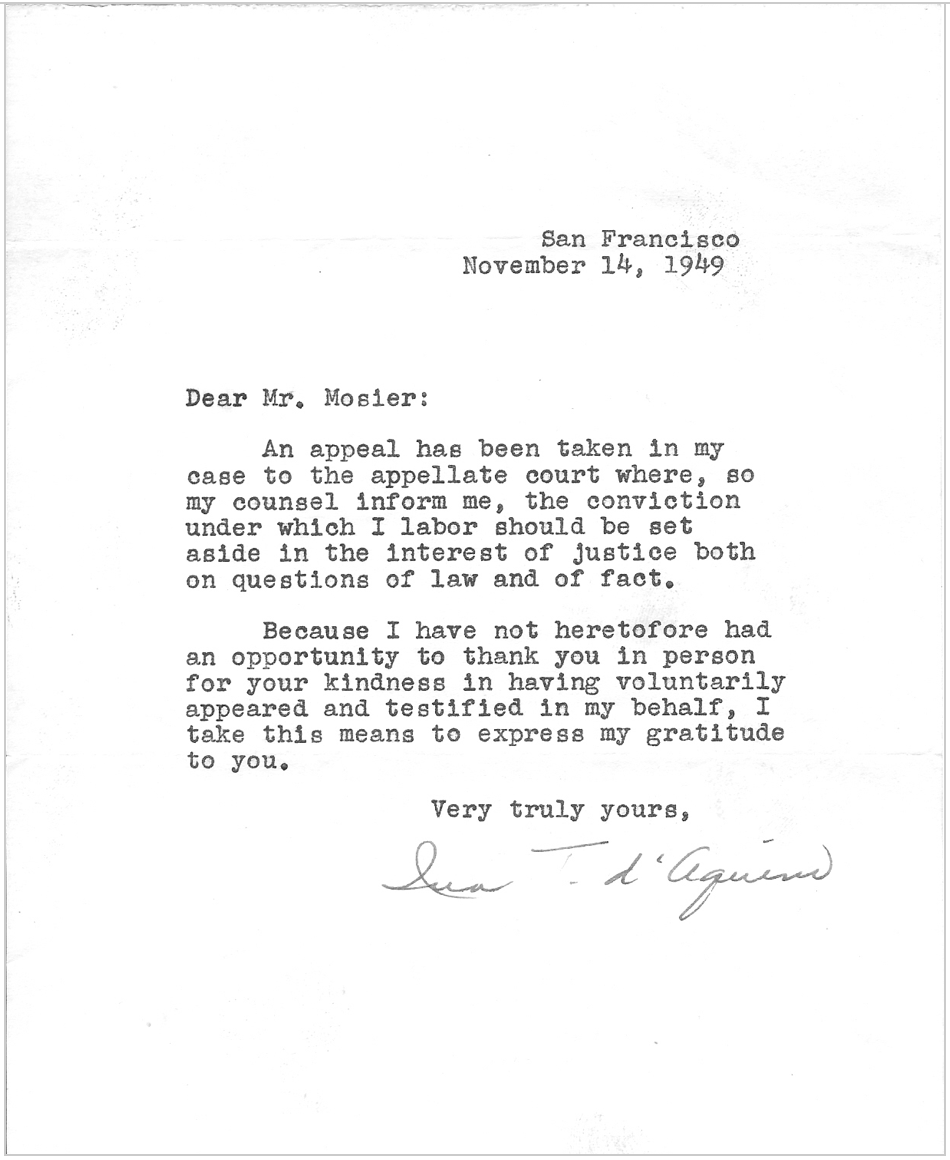
A: “No. But I learned a lot about her afterwards and I had a letter from her, thanking me for all the things that I did that made life a little easier there.“
Here is the note he received from Iva Toguri D’ Aquino:
Q: Why was she convicted?
A: Oh, the whole story of the United States and finding a scapegoat, later on. You know, all the European spokespersons thought to be useful in lowering the morale of American troops and so forth or allied troops. Same show. This gal was very popular but only with the troops that were being entertained. If something different happened and we were losing the show, take advantage of people who were concerned about who their girlfriend back home was seeing regularly or whatever, you see. But the opportunity to do anything with Japan never occurred. If you knew this person, you’d know that it didn’t matter.
Q: And there were like 18 counts against her?
“18 counts. 17 of them she beat, but she didn’t beat this last one which is technical as hell because everybody in the world knew these troops had been moved in this 90 day period it had no significance at all, It’s just a technical crime that she couldn’t dodge because she did mention the movements of these troops she could have gone down and gotten anybody’s newspaper either here or in Japan and read all about it, separate from the operations but she did reveal the movements of the troops.
It’s a bad mark on the discussion of America though, this whole Tokyo Rose thing. The fact that the United States Government disenfranchised all Japanese, every single one of them had a legitimate, valid suit, the Supreme Court, right off, U.S. Government loses time after time after time. These people had their land, their stores and what not just whipped away and never paid for until recently when they came across [reparations] maybe $20,000 to make up for whatever. “
I share my father’s feelings about the treatment of Iva and Japanese American’s as a whole during WWII. Time and time again in our fear and lust for vengeance we harm innocent citizens of our country. Such is the sad case of Iva Toguri D’ Aquino, known in this country as Tokyo Rose. In the 1970’s public pressure uncovered testimony of the prisoners of war who worked with Iva, and corroborated her testimony. The most damaging prosecution witnesses against her were re-questioned, and some admitted they had been pressured to fabricate their testimony.
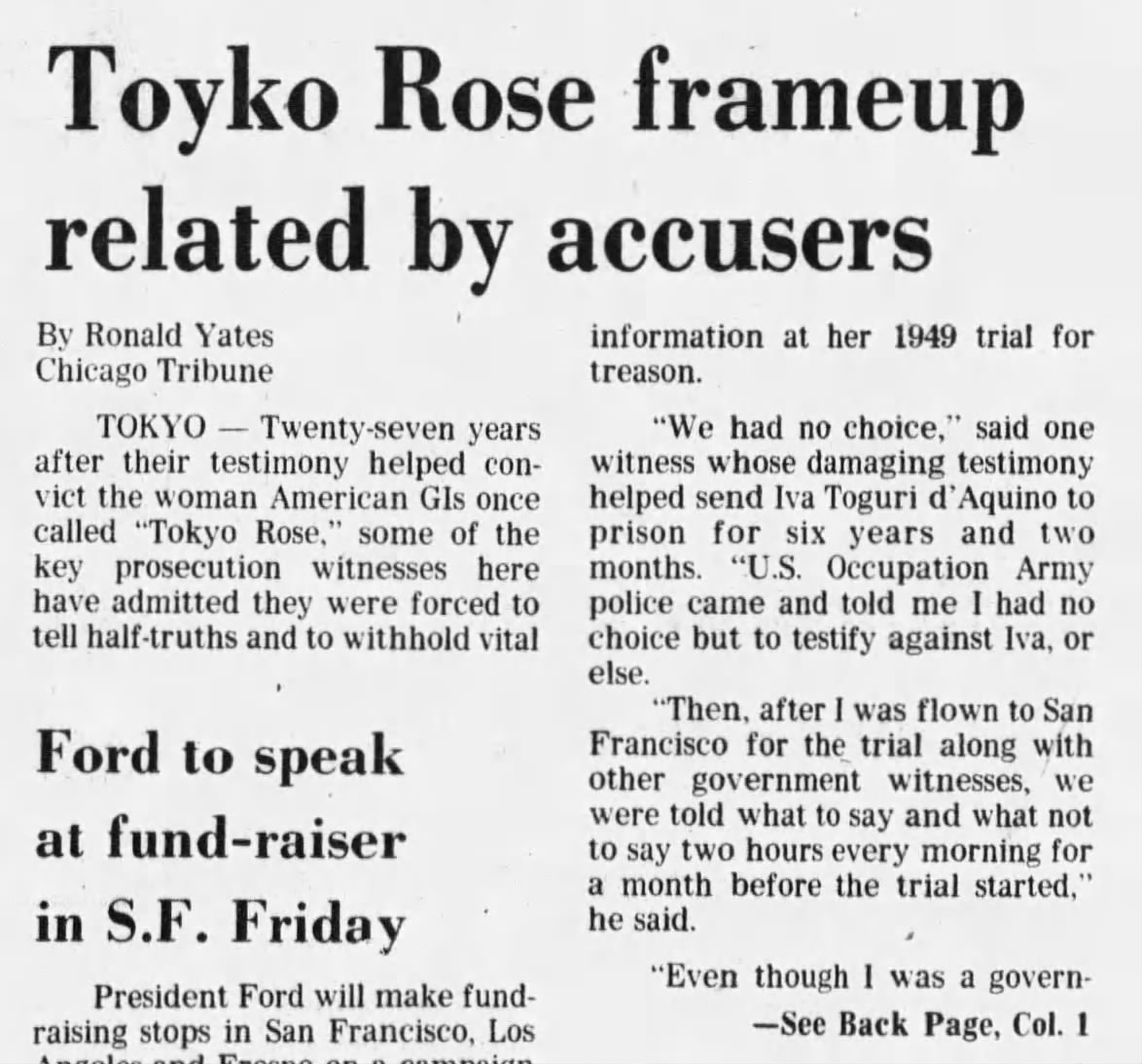
“After a recent investigation another newspaper conceded in an editorial that ‘the proceedings were marred by bribery, government obstruction, unscrupulous journalism, missing evidence (lost tapes and transcripts), mistaken identity, witness intimidation violations of constitutional Safeguards and racism.” Linda Witt San Francisco Examiner 1 Apr 1976 p 24
As much as I want to think this is in the distant past, it could easily have been written today, about any number of people, groups, or events. We are all called to speak out against racism, intolerance and injustice. We can all learn the lessons from the past. Sometimes the lessons are closer than we know…
Iva Toguri D’ Aquino was pardoned by President Gerald Ford on his last day in office on January 19, 1977. In early in 2006, shortly before she died, she was given the Edward J. Herlihy Citizenship Award by the World War II Veterans Committee.
Kelly Wheaton Copyright 2021. All Rights Reserved.
Ice Cream Melons & Foxes: It’s the Mouth Watering Details that Bring an Ancestor to Life
Posted on August 29, 2021 5 Comments

Sometimes we don’t know much about an ancestor so it’s the littlest thing that can add a bit of spice to their life, which is otherwise just a recitation of census records, a wife and children. Context can help fill in the story if we can add what was happening during the time and place they lived. Sometimes we get lucky and we get a slighter better view from a county history or a newspaper article. Such is the case with my 3rd great grandfather Daniel Charles COATS. These tidbits are particularly delightful!
Dan was born about 1816 in probably near New Lisbon, Otsego County New York to Rufus COATS and Zipporah PALMER. The family moved to Allegany County, Pennsylvania by 1820 and then to Gustavus, Trumbull, County Ohio by 1830, before finally settled in Stafford Township, De Kalb County Indiana in 1836.
History of De Kalb County, Indiana :1885 Page 957-58:

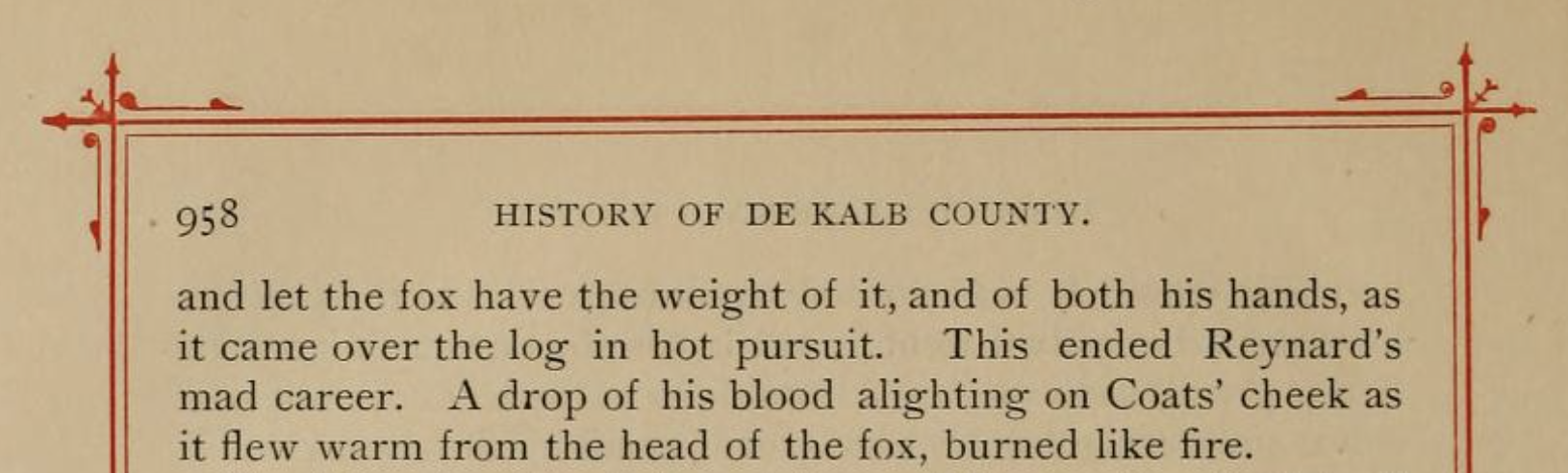
So we learn quite a bit of detail about Dan here– Dan was quite large and stout! And he had this sad encounter with a “mad” fox that had hydrophobia, known today as rabies. The fox affectionately named Reynard here, traces back to the 12th century. Reynard was a sly fox whose cunning made him a sympathetic hero. We also learn that Dan and Mary M ALLEN were the first marriage to occur in Wilmington where they were wed 18th of January 1838. Also in this History we learn that the family of Rufus COATS (his father) along with 25 other souls left Trumbull county, Ohio and arrived in Stafford Township the 4 October 1838 and were among the earliest permanent settlers.
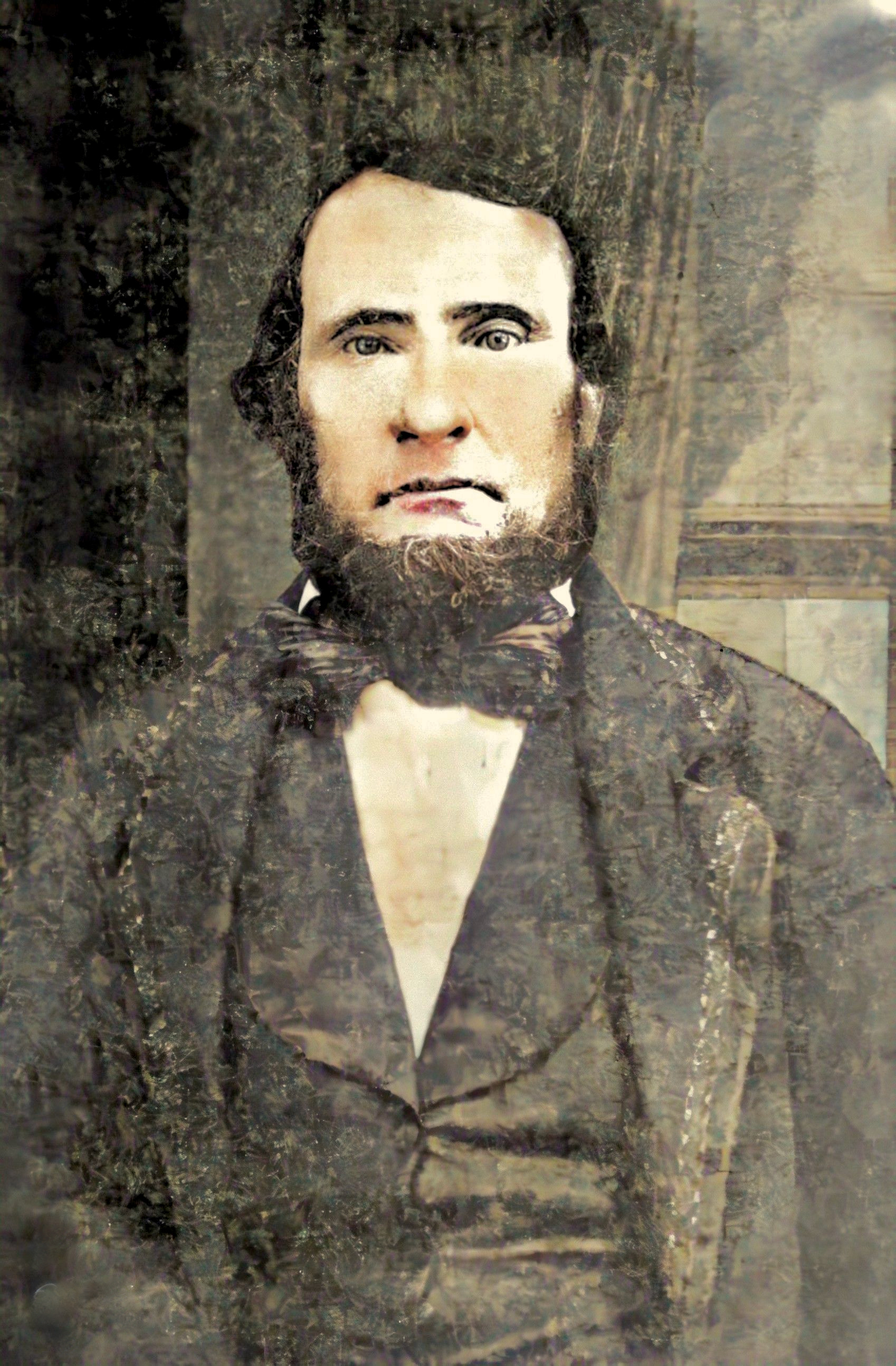
I am lucky to have photos of Dan and Mary although of poor quality they are shown colorized here. The photo seems consistent with his description. He looks to be a large man.
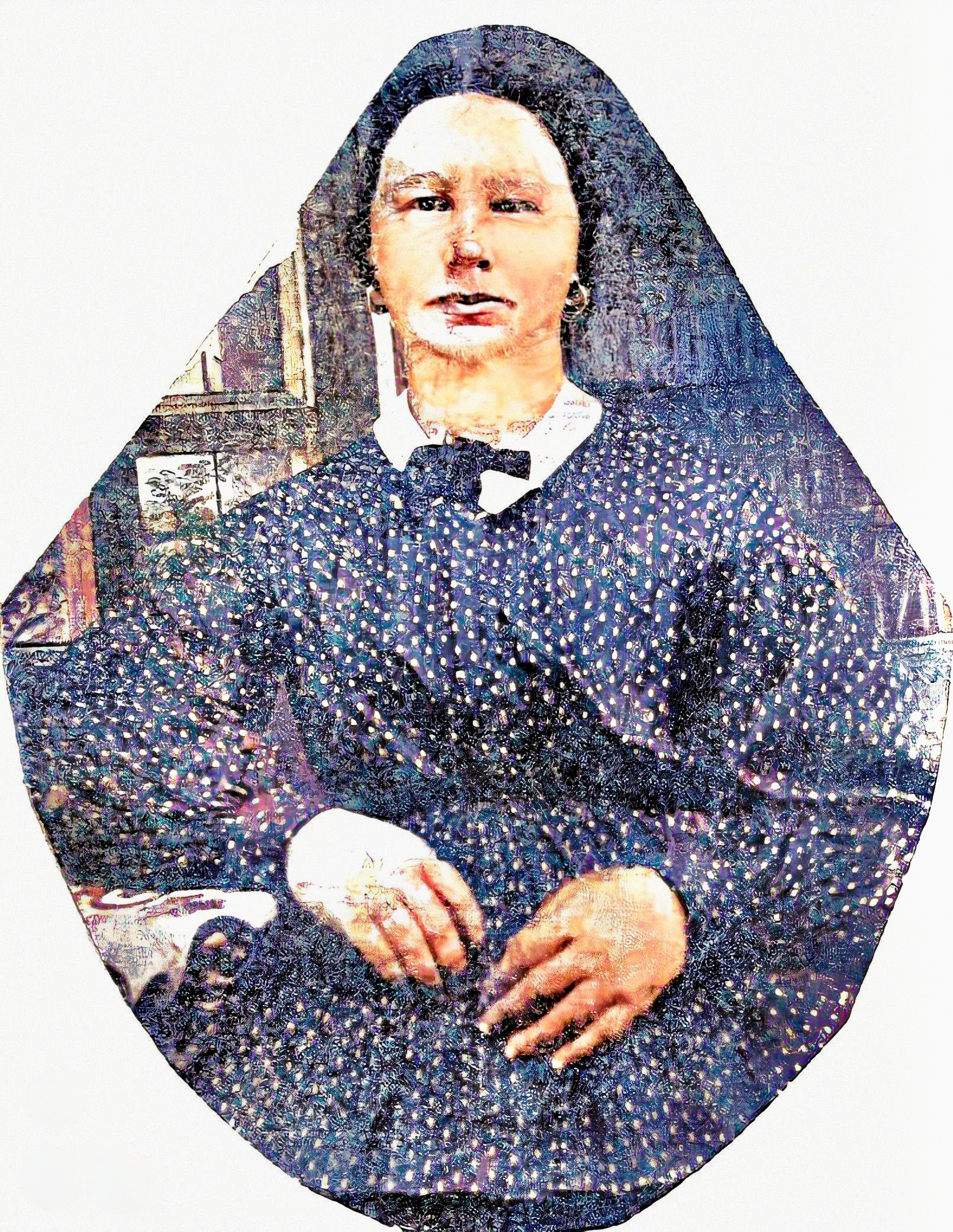
And here is his wife Mary M. ALLEN COATS.
The 1840 census for DeKalb County shows first their parents. The fourth name below is Ira ALLEN who just happens to be Mary’s father. The next name is indexed as Rufus CATS,which is actually Dan’s father Rufus COATS followed by Joseph A COATS Rufus’ brother. Lesson: always look for relatives when you can’t find the person you are looking for. These would have been some of the 25 souls traveling together from Ohio as mentioned in the county history above.
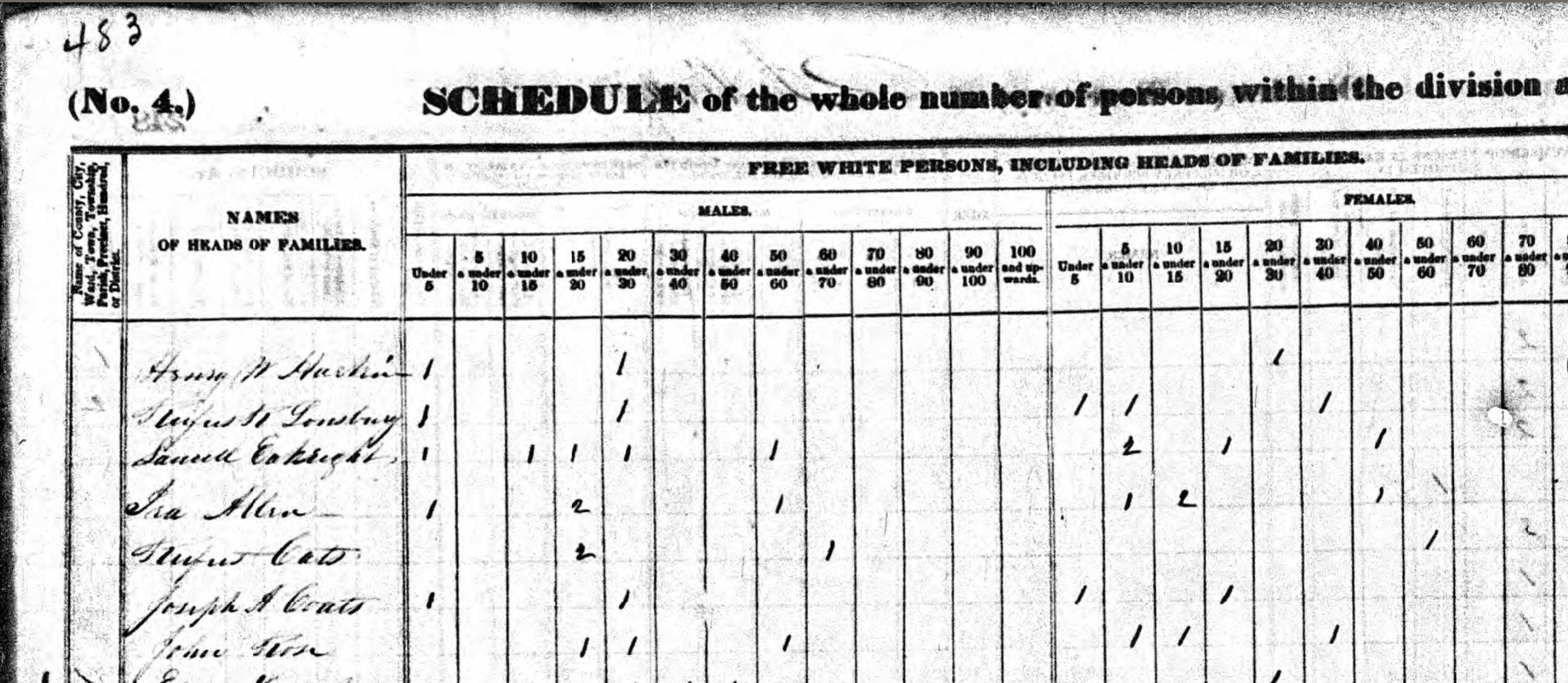
And a few pages later we find Dan and Mary COATS just the two of them before the arrival of any children.

Dan and Mary went on to have 5 sons and 3 daughters. The 3 eldest sons served in the Civil War: Charles Noyce, Sylvester G. and Aaron Daniel. Sadly Sylvester G. died the 16th MAY 1863 at Champion Hill Battlefield, Mississippi. We often forget to check what was happening what may have influenced our ancestors lives. Dan’s sister Sarah dies in 1864 and their youngest daughter, Hortense Lilian COATS is born to Mary and Dan the 17th Oct 1864 in Bureau, Bureau County, Illinois. Some time between 1864 and 1870 the family moves to Colfax County, Nebraska where he was a farmer. And it’s here we find the most interesting news story about Dan.
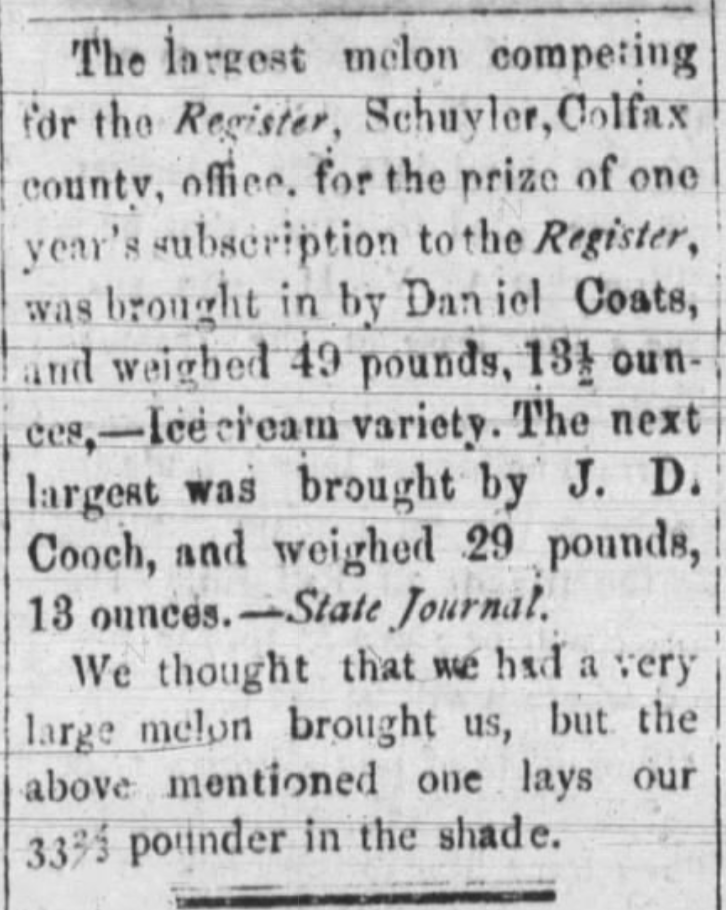
From Mother Earth News we learn the ‘Ice Cream’ Watermelon Citrullus lanatus, was one of a number of “heirloom watermelons in circulation under the name Ice Cream, but the true Ice Cream of the nineteenth century had white seeds and white flesh. The melon was round, with pale green skin, very early to fruit, and well adapted to cool-climate areas of the country. White-seeded Ice Cream is now difficult to obtain, largely replaced by the black-seeded variety with pink flesh.” And we know that our man Daniel COATS grew a watermelon that weighed nearly 50 pounds! This kind of detail is literally mouth watering—ALL PUNS INTENDED! I like to imagine Dan, nearly 60 years old doing everything to grow his watermelon into the biggest in the area. There are no more mentions of Dan in the paper but what a lovely glimpse into his life on the farm.
I was able to locate the farm from the property description in his will. And I learned something else (perhaps forgotten or overlooked) that in addition to his farm in Nebraska he owned land in the “Dakota Territory.” (Another rabbit hole?)

Transcription: “Devise to my wife Mary M COATS my homestead the West Half of South East Quarter of Section 26 Township North 18 Range no 4” In the map excerpt below I have highlighted in red the parcel belonging to Dan COATS. In Blue I have highlighted the parcel of J.L. PADEN husband to Millicent “Millie” Almena COATS PADEN, daughter of Dan and Mary COATS. Millie is my 2nd great grandmother and the eldest daughter of Dan and Mary. Until I plotted this parcel I had not realized how close they lived to one another and that there was a school in between. Every little detail adds more interest to the life of an ancestor. Do not overlook the details—they often hide in plain sight!

Old Dan must have known his days were numbered as he dies the year after he wrote his will on the 23rd of August 1881 at 64 years of age. Remove the stories from the Almanac and the newspaper clipping and Dan’s life loses so much of its character. Never underestimate the smallest of mentions to bring your ancestor to life! In death Dan rests in the Purple Cane Cemetery just down the road to the East of J. L. PADEN’s farm (0n map above) in Dodge County, Nebraska. There’s another lesson—check adjacent counties!!! Our relatives often lived near borders–so if you can’t find a record in one county look in another! In very small letters at the bottom of his grave marker it reads, “Gone but not forgotten.” Each story brings an ancestor back to life.

Photo by Malia Hammerstrom used with permission.
NOTES
Colfax County Nebraska Atlas Geo A. Ogle & Co., 1917
The Crete Democrat, Crete, NE 14 Oct 1875
“Heirloom Watermelon Varieties” By William Woys Weaver in Mother Earth News October 10, 2013
History of De Kalb County, Indiana : together with sketches of its cities, villages and towns, educational, religious, civil, military, and political history, portraits of prominent persons, and biographies of representative citizens : also a condensed history of Indiana, embodying accounts of prehistoric races, aborigines, Winnebago and Black Hawk wars, and a brief review of its civil and political history.Chicago: Inter-State Pub. Co., 1885 Page 957-58
Kelly Wheaton Copyright 2021. All rights Reserved.
Family History Writing: The Intuitive Writer and Researcher
Posted on August 29, 2021 1 Comment
“It is through science that we prove, but through intuition that we discover.” Henri Poincare
Like so many of my blog posts this started with reading another blogger’s post. This is a particularly good one from Natalie Pithers on How to Go From Boring to Brilliant Family History Writing. I highly recommend it, with many great ideas. While reading it I was struck by how I am always wanting to be more systematic or organized in my approach to Genealogy or Family History Writing but seldom even come close to achieving this. Interestingly, I tend not to plan what I am going to write about. I start with an idea—a light bulb—I might write about this—but as I write the focus often changes. As I write and research the writing takes on a life of its own. It’s always been this way for me. I never have trouble getting started, as long as I put no constraints on my journey.
In fact when I was in college I never knew what a paper was going to be about. I tended to think about it before going to sleep and wake up and do what I call a “brain dump.” A brain dump is simply to start writing. I often would have several pages, and I would read them over and then the direction that I needed to go would come into sharper focus. Do you remember in school when the teacher wanted you to write via an outline? I could never do this—and I had to write my outlines after I was done writing! Not the way it is supposed to be done! Not much of the way I do Genealogy and Family History writing is by the rules. And so I want to make all of you who do not manage it any better than I, to have some hope and consolation.
If you happen to know your Myers Briggs Personality Type I am an INFJ. So Intuition is a big part of my personality and how I interact with the world. If you happen to fall into the “NF” category you probably are like me and put intuition and feelings, ahead of organization. I am here to tell you that is perfectly fine and it may just work as well for you, as it does for me. Remember we are the ones that enjoy rabbit holes and gazing into our crystal balls, even when we don’t have the slightest idea where they will lead. We tend to think these ventures into the unknown are educational, whether they lead anywhere important or not.

Several Family History Blogger’s have remarked that the process of writing for a blog enhances their writing and research. I have found this to be very TRUE. Natalie’s recommends “setting a plan to avoid tangents” I just can’t be held to that. I will describe why in a moment. But, I do agree with Natalie’s first point which is to Decide Your Audience. My blog posts however, are actually aimed at two audiences. First, the broader genealogy community that may be looking for inspiration and ideas on how to research or write and the second audience is my family and kin. Since the first audience is broader I tend to focus on process while recounting my particular research. I try to keep my blog posts relatively short and they tend to have this two fold purpose. First to teach a particular aspect of writing or genealogical research and second to do so through my own ancestors or research dilemma. I find this dual approach really works at limiting my scope which is often a major issue with writing Family History Stories.
First point: write in bite size chunks. You can select an ancestor but you don’t have to write the story of their life. You can limit it to an interesting story or two. (see my Tale of two Soldiers though a long piece it has a tight focus) When you write about an ancestor—most people can’t be bothered to scroll through a very long blog post, unless the ancestor happens to be their own. It really has to be interesting for me to keep scrolling. So if I write with the broader audience in mind it’s going to be a sketch and not a oil painting. It does not have to be a masterpiece. This is helpful in two major ways. It take the pressure off and it can be accomplished in a few days or hours. Blog posts can be changed or amended as new information comes to light. It does not have to be finished—to be worthy of sharing.
Second point: write the way that works for you. If you write best having a very clear idea of what you are going to write, your audience and scope—then develop an outline and follow this to the letter, that’s great! But if you are a bit helter-skelter, down the rabbit hole, here, there and everywhere—that’s okay too. Just start writing and collecting your bits and pieces. What’s missing, what is your point? Keep coming back to the point! If you have gathered lots of bits and pieces but it doesn’t add to your story telling then edit it out. You can fill your genealogy binders with EVERYTHING you find—but what your audience craves is a decent story. If you have nothing interesting to write then you need to keep gathering information. If you must use creative license to make your story more interesting that’s good too—as long as you note what is conjecture and what is fact.
Third point: everyone reaches the writing point at different times in the genealogical journey. For me it came after 40 years of on and off research and 40 plus binders of information. Those binders are my journey. If you want others to learn what you have, a good story is the bait. If you find the task of writing impossible or overwhelming it could be that you are simply not ready to write. Lots of people attempt to write from a dispassionate place—I find the writer’s I enjoy most, include themselves in their stories. Tell me how you found your grandfather’s letters—in a trunk in an attic that you weren’t supposed to open. Set the stage with the things you know and how you feel connected to this ancestor or this search. Make me care about them like you do.
Fourth point: the more we write the easier it gets and the better we get. Like everything else in life we get better with practice. So if you are inspired start writing now.
- Keep your scope small.
- Make it personal.
- Write about an event, not a lifetime.
- Pick an ancestor or story that speaks to you.
- Write with your audience in mind—are you speaking to your kids, grandkids, a room full of genealogists— who are you speaking to?
- Find someone to share your story with who can give “constructive” feedback.
- Edit, edit, edit. Can you say it in fewer word? Cut out the superfluous.
- Add visuals to illustrate or to break up the writing. But don’t clutter your story with too many.
If you are an intuitive researcher or writer consider that a strength, not a weakness. If you find you will never be able to write the stories you want, hire someone to help you. Collaboration can be an excellent alternative to writing on your own.
Kelly Wheaton Copyright 2021 All RIghts Reserved
Cause of Death: Before Antibiotics and Vaccines
Posted on August 25, 2021 2 Comments

The first smallpox vaccine was developed in 1796. The Egyptians had a practice of applying a poultice of moldy bread to infected wounds, but penicillin as a antibiotic wasn’t developed until 1928. The late 1800’s saw the development of vaccines for cholera, rabies, tetanus, and bubonic plague. More on this timeline of vaccines.
I have a Death Binder which is a collection of all the death certificates for my parents, grand-parents, great grandparents and great-great grandparents. [I also keep copies in the appropriate family binders.] It may seem a bit morbid but my doctor’s find it fascinating. I find it very informative to look at the causes of death and the age at death holistically as well as individually. I have death certificates for all 8 of my great grandparents and 12 of my 16 great-great grandparents. For the remaining 4, I have causes of death for all but 2. One cause of death is from an obituary and one from the Mortality Schedules. I have two additional death causes for 3rd great grandfather’s one from early Sexton’s records in 1845 and the other from family stories. I may have others further back [a future project?]. Sometimes we can surmise the cause of death when a mother died shortly after giving birth or a man who succumbs to wounds during a war. But sometimes we will never know.
What prompted me thinking about this was current conflicts over science, medicine and vaccines. I got to thinking who died the youngest and would have lived, with the help of antibiotics and modern vaccines. The most common cause of death in my tree is Arteriosclerosis or Heart disease including 3 of my 4 grandparents. No antibiotics or vaccines for that yet! There are several cancers, one each of: lung, pancreas, lip and spine. Of my great grandparents only one died of a condition, treatable with antibiotics. Lucy Jane FRANKLIN died of “Terminal pneumonia” but she had more than 10 years of asthma when she died in 1939 at the age of 63. My 2nd great grandfather James Lewis PADEN also died at 63 from Pneumonia in 1903. Today we have several pneumonia vaccines that likely would have saved their lives. The first was developed in 1977. My 2nd great grandfather William Marsh FRANKLIN died of “Senility” with contributory “probably Tuberculosis” which he may have contracted during the Civil War. The first Tuberculosis vaccine was in 1921.
of The saddest and the youngest was my 2nd great grandmother Mary Ann “Polly” (SPARKS) HENAGER who died at 40 of Typhoid Fever according to the Morality census in 1870. Typhus is caused by the salmonella typhi from ingesting contaminated food or water. In the early 1900’s there were tens of thousands of cases with a fatality rate of about 20%. The first typhoid vaccine was developed in 1896, too late for Polly. In this country you seldom hear of it due to improved food and water sanitation, thanks to Science, and government saftey regulations of food and water.

Then we have two who died of Bronchitis: Charles Gustvaus VANSTRUM, 78, died in 1907 and Rachel (SMITH) SHELDON 54, died in 1876. Would modern medicine have helped them? Probably. Then there is my 2nd great grandfather Elmer SHELDON who died at 79 of “Malarial Fever and Malarial Dysentery” in 1898. He surely could have been helped by antimalarial drugs and antibiotics. My 3rd great grandfather died of lip cancer Alexander PADEN at 80 in 1887. Another 3rd great grandfather, John L. MOSER, died just 2 days after his 45th birthday of “Quinsey” AKA Tonsillitis and tragically, his brother Joel MOSER, 50, died just over a week later of “Lung fever” AKA Pneumonia. Both highly treatable with modern antibiotics. This was in 1845 and is as listed in the Cemetery Records of William D. Huntington, Nauvoo Sexton [Hancock CO, IL].
And finally my favorite cause of death belongs to my 2nd great-grandfather John Wesley Williamson MOSIER who died at 89, in 1915. He died of “Old Age.” Not sure there’s a drug or treatment for that!
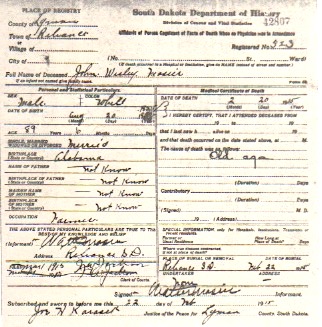
Of the death records I have, my youngest direct ancestor to die was Mary Ann “Polly (SPARKS) HENAGER at age 40 and the oldest was Johan Solomon LUNDBERG who was 92. Do you have the death certificates or records for your family members? Do you see any patterns? How many of your ancestors may have lived longer if they had received vaccines and antibiotics? Time to dig out the records and see what patterns you might find, and how they may inform your health.
“Do not complain about growing old. It is a privilege denied to many.” Mark Twain
Kelly Wheaton Copyright 2021 All RIghts Reserved

