Knotted Strands: The Misattributed Heirloom
Posted on May 30, 2021 3 Comments
The one thing you learn in doing genealogy is that just like the old children’s game of telephone things get a bit muddled when passed from child to child or generation to generation. As I have written elsewhere there is usually some truth in the stories and legends passed down through families, even if they sometimes become unrecognizable. It is often that different parts of the family have different pieces of the story.
When I was growing up my mother had a box on her dresser in which the following items were stored.

The story she told was that her great grandmother, known to her as Elizabeth Olson Vanstrum (born Asloûg Olson Elifsdotter) made these ornaments from her hair brushings on the passage from Kragerø, Norway to New York. It wasn’t until my second cousin once removed, Lois Lundberg Sando, took a trip to Vrigstad, Jönköping, Sweden to visit our mutual Lundberg cousins and shared photos and the story of her trip that the mistake was exposed.
My mother had misattributed the hair jewelry to the wrong paternal great-grandmother! The jewelry was crafted by Anna Olofsdotter born in Bjuråker, Dalarna, Sweden 13 February 1837 who came to America in 1880 with her husband Johan Soloman Lundberg and her six surviving children. They settled in Minneapolis where she died 11 March 1895. It was passed to her son Carl Johan Lundberg and to his son Roy Sidney Lundberg and then to my mother and then to me.
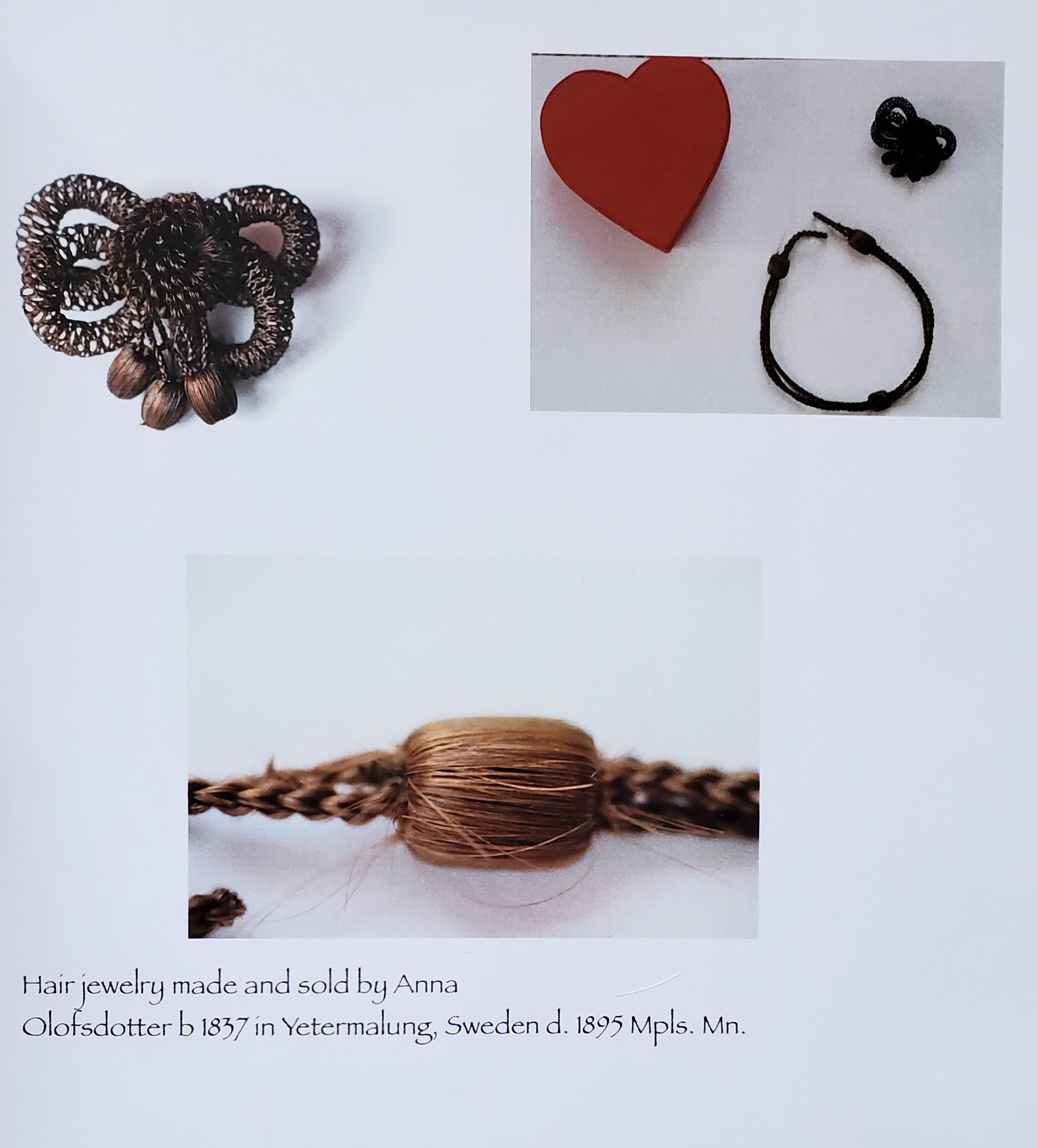
But there’s much more to the story. Anna Olofsdotter and Johan Solomon Lundberg were born and lived 450 miles apart. She in Bjuråker, near Malung, Dalarna, Sweden and he at Vrigstad, Jönköping, Sweden. The hair jewelry is what brought them together!

“Malung” Kvinna i dräkt. Akvarell av P Södermark c 1850
Wikipedia Commons
Anna was a traveling saleswoman who hand crafted the human hair jewelry and traveled to Vrigstad to sell her wares. The family thinks she stayed at Sunnerby Norregard, Vrigstad during the market, where she would meet Johan Lundberg and wed him the 1 May 1863 at Aneboda, Kronberg, Sweden. My mother said she was of peasant stock and not well accepted by Johan’s family and this was part of the reason they immigrated to America. She was 26 and he was 23. It took the strands of three family stories to identify the correct artist who crafted the hair jewelry!

The art of making hair jewelry was brought from Finland to the Mora area in Dalarna, Sweden in 1824. It was quite popular throughout Europe during the Victorian period.
In a lovely twist a member of the family in Sweden realized that the hair jewelry she owned was Anna’s and arranged for my cousin, Lois, to receive it as a parting gift before returning to America! I had just sent this story to her as well and as luck would have it she is visiting the grave of Anna Olsdotter Lundberg tomorrow at Lakeview Cemetery in Minneapolis for Memorial Day. Wow that is some serendipity!

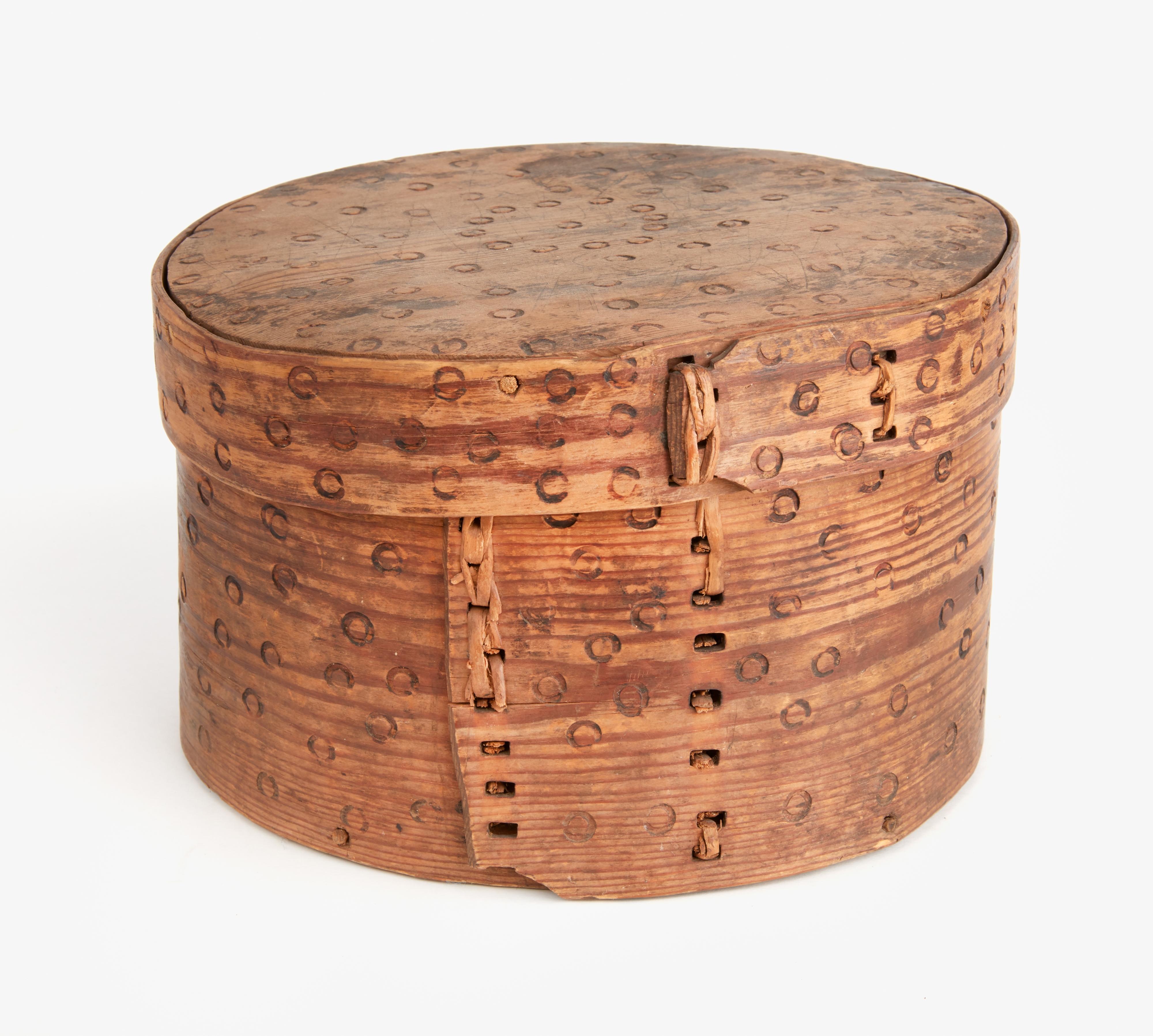
I found this lovely box made of ash from the Dalarna Museum which has been decorated by burned dots. Perhaps she kept her hårabetes in something like this one from Bjuråker, Yttermalung, Malung.
PS If anyone should have a photograph of Anna Olsdotter Lundberg or her husband Johan Solomon Lundberg, please get in touch. My cousin and I have been searching for many years in vain.
Kelly Wheaton Copyright 2021. All Rights Reserved.
Genealogy & Greed Don’t Mix
Posted on May 20, 2021 13 Comments
The genesis of this post goes way back to my early days in genealogy. Back in the days of Everton’s Genealogical Helper, a publication full of personal ads for genealogists looking to contact others with the hopes of making a genealogical connection and sharing information. Back then information exchange took time. We mailed off letters with a SASE (self addressed stamped envelope) and waited for a reply. Sometimes handwritten and sometimes typewritten letters or large envelopes arrived weeks or months later. A trip to the mail box was fun—never knowing what the mailman would bring. There was a polite and congenial exchange of information. Often a check was sent to cover the cost of copies and postage.

Back when I was a teenager just starting out, so many people helped me so very much. It’s a debt that I continue to pay forward. Most of those who helped me back in the 1970’s are long gone, but I hope that they would be proud of what their sharing enabled me to do. So many brick walls have been scaled and mysteries have been solved that I am sure, were they still alive, they would be delighted. And at the end of the day isn’t that what genealogy is about? Sharing and caring for our common ancestors in an attempt to share their stories for future generations.
Sadly in the last few years I have noted more and more greed slipping into my beloved hobby. Sometimes it’s masked as “protecting” one’s privacy or my tree is a mess so it can’t be “shared.” But it isn’t just individuals hoarding ancestors, photographs and family trees. It is also seen in organizations which try to maintain some exclusive hold on what they have acquired and keep it from all but their paying members. Personally this is counterproductive and unbecoming. Like the old adage you attract more bees with honey than vinegar.
Collaboration is not a new idea in genealogy—it is the foundation upon which all genealogy is built. We all have pieces to the puzzle. We work in isolation to the detriment of all. We share and more comes our way than we could ever imagine. If individuals and organizations operate under the banner of GREED, opportunities for the joy of giving and receiving vanish. What is better than sharing with another a photograph you own of a second great grand-mother someone else has never seen? Rather then view it as “stealing” when someone adds a photo you posted, to their tree—consider it sharing the joy for future generations. So what if all your hard work is “adopted” by someone just starting out. I did that when others got me started. Without their help where would I be today?
Here is my urgent plea. Please do not be a greedy genealogist. We share ancestors, we are family. Let us embark on our journeys of discovery together in the spirit of fun, camaraderie and collaboration.
Serendipity in Scaling Brick Walls
Posted on March 31, 2021 2 Comments
Perhaps you are thinking that it is hard work that brings down brick walls. Or perhaps time at the game, diligence, persistence or any number of worthy attributes. I have to say in my experience two things have helped the most—and they are a bit of a surprise to me—and maybe to you as well. As the title says the first is a heavy dose of serendipity. And the second is asking for help.
Let me give you a few examples.
CASE ONE: Back in the 1970’s I found a church record in Minneapolis for my 2nd Great-grandmother Elizabeth OLSON who was born in Vinje, Norway and immigrated first to Chicago where she married Charles Gustavus VANSTRUM ( Wennerstrom, Warnstrum) and then settled in Minneapolis, MN. Since I was not sure which Vinje I wrote to all the archives having a place name spelled Vinje or anything similar. Came up empty at all of them—and even with the exact birth dates of Elizabeth and her sister Sigrid’s birth date some years later.
Fast forward about 40 years. At 23andMe I got a 100% Norwegian match in 2013 and sent him my information. He did not know how we were related, but he said he had a Norwegian Facebook group, would I like him to post my query there. Sure, I said even though I was not on Facebook—
What happened next was nothing short of unbelievable. The next morning I got an email from him. A wonderful researcher had found Elizabeth, her sister Sigrid, their emigration records and everything matched except names. “Hi, this needs to be proven but we have this birth in VINJE, TELEMARK: Asloug, entry number 12, born March 30, 1827 in Vinje, Telemark.” We have subsequently proved that this is OUR Elizabeth but she was born Asloûg Elifsdotter. Her father was Eliv OLSON, so it seems she took an Americanized version of her name. Sure enough her sister is also recorded on the proper date a few years later. But it gets better—in short order had a complete tree for Asloûg reaching back to the early 1600’s and more help than one could imagine including a book sent to me on the Farm histories of Vinje (aka Bygdeboks) and help translating the old archaic farm histories including stories about my ancestor “Lazy Lodford” who literally bet the farm, lost it all and became a wandering minstrel.

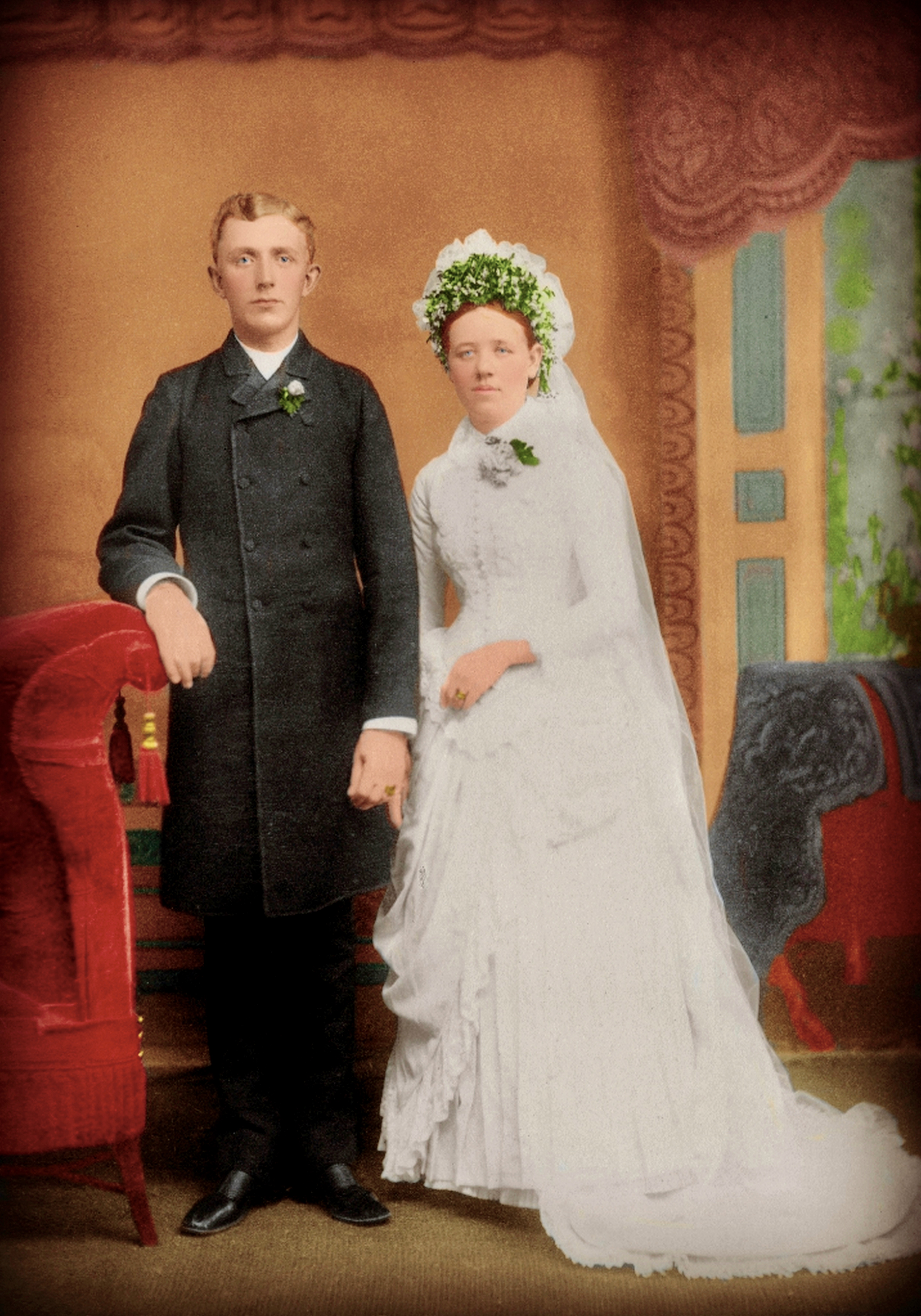
CASE TWO: This one recently happened. The question was asked on Twitter by American Ancestors about a marriage records. I had a photograph of my great grandparents on their wedding day (colorized below). It was taken in Minneapolis and the date was on the back of the photograph. Years ago in the 1970’s I had dutifully written to the Hennepin County Clerk and subsequently the surrounding counties in search of their marriage record. I still have the returned letters saying the marriage record could not be found (notice a pattern here?) Well I posted it on Twitter and later that day I received copies of the banns and license and was able to find a listing in a Norwegian Minneapolis paper. “Ask and ye shall receive.”
CASE THREE: Where did Robert WHEATON live? On a trip back to Rehoboth, MA in search of Robert WHEATON (1606-1696) we took a ride down WHEATON Ave but had no idea which property was his. So we drove along and I spotted a lovely farm ahead and asked my husband to pull over so I could take a photograph of it. As I exited the car, a woman across the road, asked if she could help us. I said I was just taking a picture of the farm—that we were both descendants of Robert WHEATON and she said “well that is the original WHEATON farm!” She told us her husband who was the Rehoboth Fire Chief knew more and that if we came back n about an hour he could help us. When we came back they showed us original paintings of the farm and he gave us a map book to help us get to the original “Ring of Green” now located in Rumford, Rhode Island. We later learned that Roberts home lot was on the “Ring of Green” and his property from the second division (his farm and wood lot) was just where we were on WHEATON Avenue!

CASE FOUR: Since the 1970’s a group of MOSER researchers believed that they were all related but there was no proof. Almost everyone had heard the family legends that these MOSERS were from Alsace area. A random search and I found part of an answer from a MOSER researcher who had paid German genealogists for help. He had pulled down his website as it had been stolen by others and replicated but I was able to contact him and he shared his work with me. Over subsequent years and finally with DNA we were able to prove that all these men who thought they were related in the 1970’s were indeed from the same root in Bavaria Germany and the immigrants to Pennsylvania were 6 brothers and one sister. A random search yielded a gold mine.
CASE FIVE: For forty years I struggled to find out what happened to my 3rd Great grandfather John L. MOSER who disappears after 1840 and nothing can be found of him or his family until the children begin marrying in the early 1850’s in Hancock Co, IL and Lee Co, IA. One of those cute little shaky leaf hints on Ancestry led to the answer. John and his brother Joel MOSER died at Nauvoo, Hancock IL in late May and early June of 1845. John died first of tonsillitis (quinsey) May 29th and his brother Joel followed 9 days later 7 June of pneumonia (lung fever). I was later able to locate the transcription of the Sexton’s records for Nauvoo.
For many years everyone believed that my 3rd great grandfather Andrew J. Stewart was the son of his father, Daniel Bertine STEWART’s and his 2nd wife Ruth Arnold FULFORD. But someone posted a little note on ANCESTRY that suggested that he was the son of the first wife, Olive SCOVILLE. In fact there was a Ohio Supreme court case on Andrew’s maternity and over twenty pages of testimony showing he was indeed the son of the first wife although raised by the second wife and immigrated west to live with his father when he was grown. This meant I needed to lop off this whole part of my tree and rebuild with the proper mother. He was her only child, all the others born to the second wife. Interestingly I had no DNA matches with any line associated with Ruth Arnold FULFORD but when I attached Olive SCOVILLE, matches magically appeared.
My ADVICE: Keep an open mind, retrace old steps, follow your hunches, pay attention to shaky leaves and others notes and most of all ask for help.
Kelly Wheaton Copyright All Rights Reserved 2021
The Inherited Object Revisited
Posted on March 25, 2021 11 Comments
“Stories are a kind of thing, too. Stories and objects share something, a patina. I thought I had this clear, two years ago before I started, but I am no longer sure how this works. Perhaps a patina is a process of rubbing back so that the essential is revealed, the way that a striated stone tumbled in a river feels irreducible, the way that this netsuke of a fox has become little more than a memory of a nose and a tail. But it also seems additive, in the way that a piece of oak furniture gains over years and years of polishing, and the way the leaves of my medlar shine.”
― Edmund de Waal, The Hare With Amber Eyes: A Family’s Century of Art and Loss
Among the things I inherited from my parents are many objects, that they in turn inherited from their parents. Many are objects for which the stories are no longer known and many for which the details are slim. I visited this object a few years back and made many discoveries but a closer look just now has yielded a few new ones.

What I knew:
My Grandfather served in France in WWI
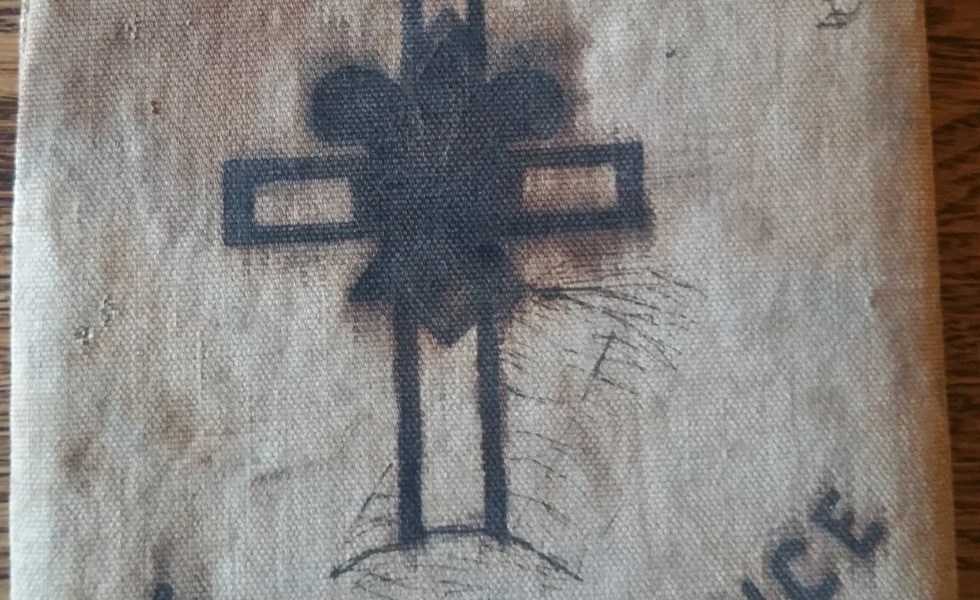
This water resistant book cover was with him in France
It covers his self-published book of Poetry “Artifacts” (1967)
But not just a copy of that book but his personal copy with his notes.

So what I knew is both the cover and the book were cherished possessions of my grandfather, Milo and my father and finally me. The many comments and annotations inside are illuminating and when I read them I hear my grandfather’s voice. I can watch his mind at work. Upon reflecting the cover covers something of value—but that belies the covers intrinsic value. Take note.
For the longest time I really did not pay close attention to the cover. And when I did I noted the cross and the Fleur de Lis and I looked up the meaning of “Voici La France” as “Here is France. ” And finally when I turned the cover over it dawned on me that these were all places in France. Duh!

So I made a list of the places and started to plot them out on a Google Map.

And then I found a copy of the History of Army Artillery Park which was the unit to which he was assigned as a medic and all the places matched. Mystery solved! This was a record of all the places Milo had been in France during WWI. So this simple waterproofed canvas cover may have held something else long ago that has not survived and of which that story died with my grandfather…and yet this object held a few more surprises.
A closer look this time I see that not only is there a cross with a Fleur de lis, but the cross resides atop what looks to be a grave or burial mound. What is the story here? A friend lost in battle?—a universal remembrance of the fallen? I do not know. But if combined with “Here is France”, a grave with a cross and “Fleur de Lis” perhaps it says in France —here is death, here is a remembrance. Lest you think I am off the mark here, return to the back cover and note four hourglass shapes. I do not think these are an accident. The hourglass is a symbol that human life is fleeting, and that the sands of time can and will run out at anytime for any of us. And never more poignantly does that become truth for an eighteen year old soldier in France.

And then finally at the bottom of the back cover is written “L’enfin de le Guerre” translated “The End of the War”. What more personal and poignant treasure or talisman of his youth spent as a medic caring for the injured, dying and dead in France in 1917 than this modest piece of canvas inscribed with the places he would remember forever.
Each family object was saved for a reason. Each object has a story. Some can be discerned, some can be discovered but each deserves our attention. “Perhaps a patina is a process of rubbing back so that the essential is revealed.”
Kelly Wheaton Copyright 2021 All Rights Reserved
Ask More Questions
Posted on March 24, 2021 2 Comments
Its been a very long time since I made a Blog Post and this is perhaps my first public one. I usually make posts a page. However this is too short to be a page and perhaps there is a value in a quick post.
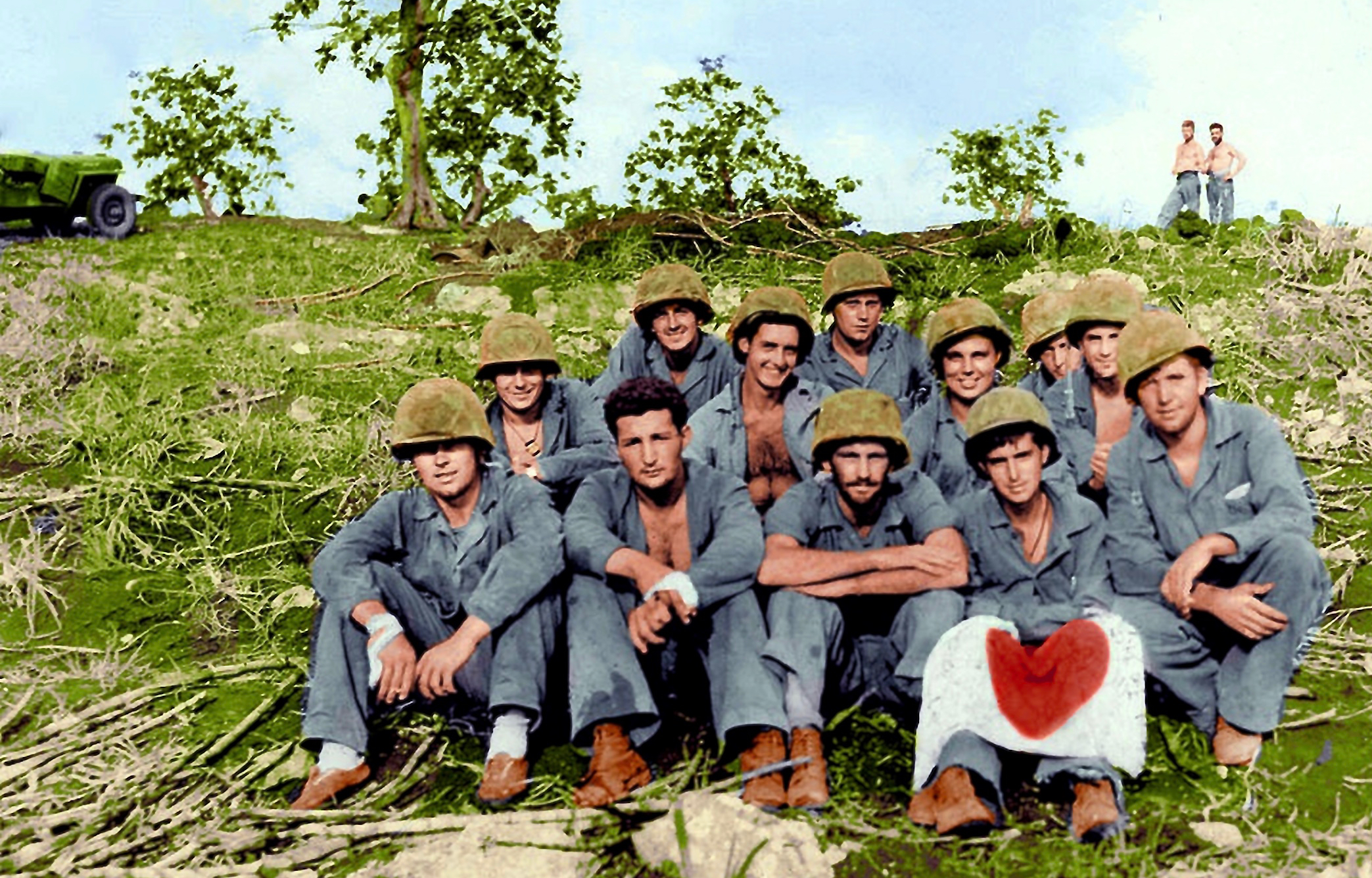
I recently received a phone call from a 100 year old woman wanting help with her genealogy and her DNA. How could I turn that down? When I met with her she gave me 2 unsolicited pieces of advice. “Ask more questions and keep a diary of names, dates and places.”
Anyone who gets to a certain age feels this way, as they muse about their parents or grandparents and wonder what they did or remembered about some historic event. However more importantly we care about how they felt. If we are lucky to inherit stories, letters or maybe even a diary we get more of a feel for the answers to our unasked questions. Whatever we are lucky enough to have it hardly ever seems like enough.
I remember when I began doing genealogy at seventeen I interviewed 3 of my new husband’s great aunts.
I was incredulous that none of them knew where their parents were born in Sweden. And of course I am not immune… I never talked to my Dad about his service in the Pacific Theatre during WWII. Several years after he died I was able to research that service as a newly minted soldier in the Marine Corps. I was lucky to have a transcript of an interview he had done for the Camp Tarawa project. I had letters and I corresponded with his best friend who knew.
My father’s last words to me “When you come back, bring questions with you.” Yes, ask more questions…ask them now.
If you have not read my Page Reformed Genealogists: Turning Trees into Stories it might help with those QUESTIONS.
Kelly Wheaton Copyright 2021 All Rights Reserved.
Nice Y Haplogroup Map of Eurasia for all our Groups
Posted on September 25, 2015 Leave a Comment
Just a recap of our Y groups within our project which are all R1b (M269 except group E and F which are I2. See below.
This is a very nice map via Wikipedia: “Haplogroups europe” by Selbst Wrstellt Robertius / Robert Gabel -Licensed under Public Domain via Commons.

Group A: R1b M269 Likely R-L21*
Group B: R1b U152 L2 > FGC22501>FGC22538> etc
Group C: R1b U106 R-L48>Z346>DF101>DF102>FGC12993
Group C2: R1b M269 WAMH Likely R-L48*
Group C3: R1b M269*
Group C4: R1b M269*
Group D1: R1b M269 WAMH Likely R-L21*
Group D2: R1b -L21 >Z253
Group E: I-2 P37.2
Group F: R1b Likely R-L21 & R-L144
For those interested in going further back in the Y Haplotree who are in one of the * asterisk groups, you can find on your FTDNA page an upgrade button, then go to advanced tests, then under panels: R1b-M343 SNP Pack that will test 140 downstream SNPS . The current cost is $99 (and during the holiday season it might be even less.) Since individual SNPS are $39 this is a very good deal. I would suspect an I1 backbone test may be offered in the near future.
Two branches of a family reunited after decades apart
Posted on September 20, 2015 2 Comments
 Kelly suggested I relate the story of how I and my cousins found each other through this project. So here goes.
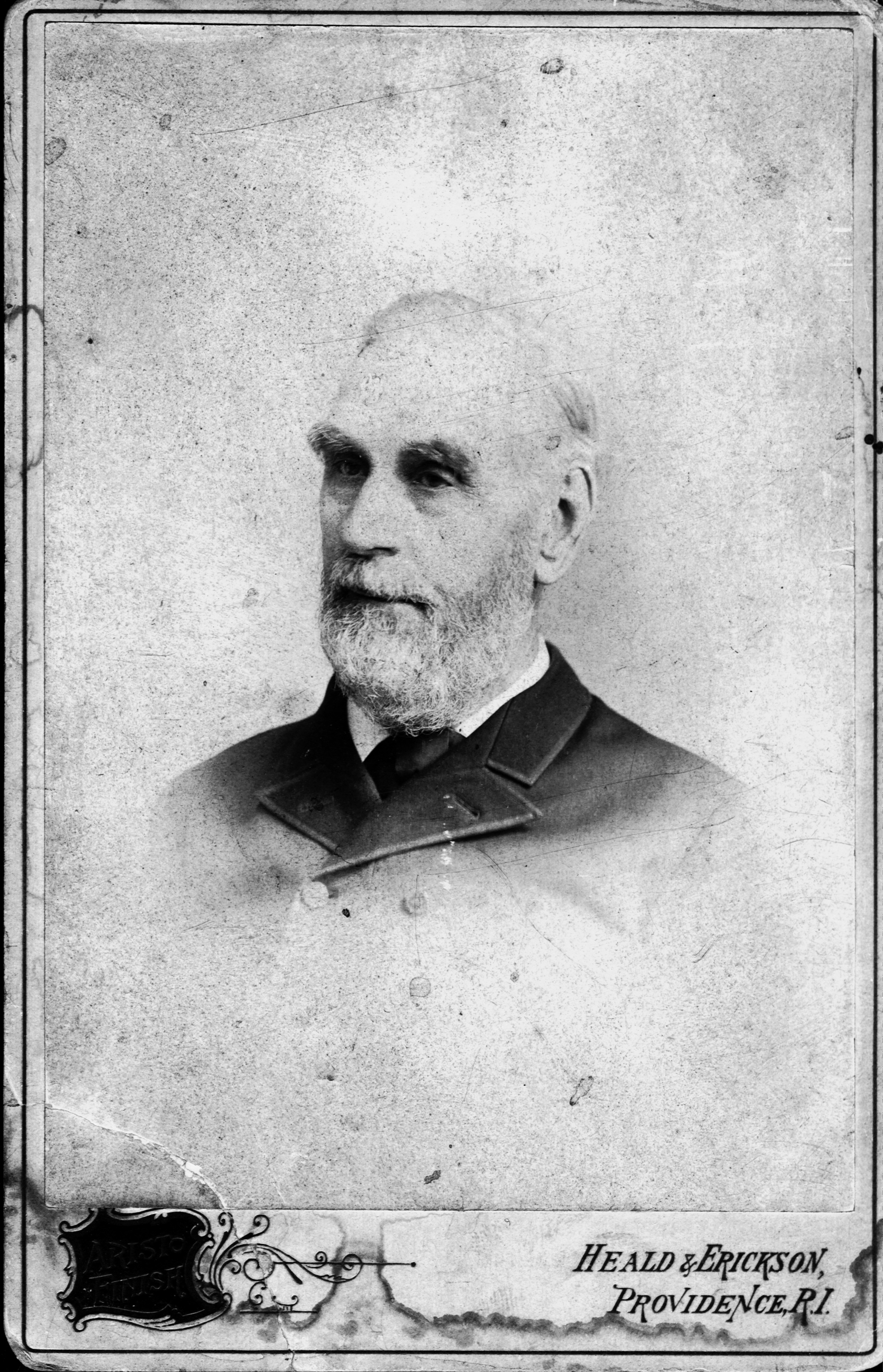
Pictured at right is John Wheaton, who was born in Cape May County, NJ, in 1818 and died in Warren, RI, in 1897. He is our common great-grandfather, so we are second cousins. To be more accurate, second half-cousins, since we descend from different great-grandmothers.
John’s father, Joseph, was a farmer and carpenter, but John and his brother Lewis both left the farm for New York City sometime between 1840 and 1850. John became a butter merchant, then a wholesale grocer in Manhattan. (Lewis was also in the grocery business.)
In 1850, John was living in a boardinghouse run by Chauncey and Anna Watson. At some point, he was introduced to Anna’s niece, Laura Watson Atwood, and the two married in 1856. My grandfather, James Watson Wheaton, arrived a year later.
But Laura died, at age 24, in 1858. Two years later, John remarried, this time to Mary A. Blackington of Warren, RI. We are not entirely sure how they met, however.
In 1860 the Watson and the Wheatons were living in Brooklyn. James was being raised by his grand-aunt, Anna Watson. John and Mary lived nearby, but by 1870 had moved to Mary’s hometown.
James married young and had moved to Montreal by 1890 for work, then to Chicago by 1900. He and his wife, Emma Ketchum Wheaton, had one son, James Watson Wheaton Jr., and had adopted a girl, whom they named Gladys Wheaton.
James, however, remarried around 1906 to Anna Bergstrom, a Swedish immigrant almost 30 years younger than he. (The circumstances of their meeting and marriage are shrouded in mystery.) James and Anna had two sons, including my father, John Atwood Wheaton. They settled first in Queens, then in Nassau County, NY.
Meanwhile, John and Mary had raised two boys and two girls into adulthood. All grew up in the Warren area.
John William Wheaton became a successful hotelier and married Blanche Storer. They had no children. John and Blanche spent part of their time in NYC, and it seems James and John were close friends, their ages being only six years apart.
Charles Nathan Wheaton founded a handerkerchief factory with Henry P. Howland (his brother-in-law) and married Edith Cleaveland. They had one surviving son, Warren Wheaton, who had three children — my second cousins. More about them shortly.
Annie May Wheaton married Henry P. Howland, and they had two children. Their son stayed in the Warren area, while their daughter married a Cummings and settled in northern NJ. The Cummings had children as well. I have not yet tracked down these cousins.
Laura Antoinette Wheaton married the Rev. William Ackley, a much older man whom I believe was the Wheatons’ pastor in Brooklyn. Rev. Ackley and Laura had no children.
These five siblings apparently stayed in touch and visited each other, but in time their families grew apart. John William died in 1935, and Blanche in 1950. James died in 1942, and his half-brother Charles three years later. Laura, who had moved in Florida as a widow, died in 1950. And Annie May also died around this time. Their children did not spend much time together, so as the years passed, the two branches lost track of each other.
Let’s skip ahead a few decades. I moved to Kentucky in 1980, and stayed there almost three decades. I had no idea — nary even a suspicion — that I had Wheaton cousins living in the same state. In fact, by 1985 we were living only about an hour or so from each other, I in Louisville and they in Lawrenceburg and Frankfort!
At the time, I was resigned to the idea that I had no cousins on my father’s side at all. His brother had died young, and my dad had no clue what had happened to his father’s half-siblings.
Now I know, after meeting Timothy, Melissa and Collette Wheaton over the summer, that their father, Warren Wheaton, had left New York as a young man to start a business in Kentucky. But our paths never crossed.
Now, by chance two summers ago, I took advantage of a free weekend on Ancestry.com and found several Warren Wheatons in the 1940 census. One of those men was in Kentucky, but I considered it unlikely he was the same person as Charles and Edith’s son, despite being about the right age. I even found a photograph online of Warren Wheaton at a groundbreaking ceremony in Lawrenceburg.
Once the summer ended, the mystery of Warren Wheaton was pushed aside for more immediate matters.
In spring of this year, Kelly sent me an email to tell me that Timothy had contacted her and, given his details, was more than likely my cousin. Since that time, he and I have exchanged several emails and photos, and when I was in Louisville this August, I visited his sisters in Frankfort. We hit it off right away, and are looking forward to sharing more time together in the future.
Had I not joined the Genographic project four years ago, and this surname group shortly thereafter, such a reunion would have been unlikely. Kelly’s persistence and energy certainly helped make it happen, so I want to say, “Thank you, Kelly!” for bringing some of John Wheaton’s great-grandchildren back together.
The Power of Place: In and Around Stogursey where past and present meet…
Posted on September 20, 2015 Leave a Comment
“Like those of other living things, our structure, development, and behavior rise from a genetic foundation sunk in an environmental context.” p.16 ‘The Power of Place’ by Winifred Gallagher 1993 (note before the advent of consumer DNA testing)
It has been some time since I promised to expand upon my trip to England in April of this year. I have wanted to get to it, but something held me back each time, as if I could not see it clearly just yet. With the recent discovery of a connection between our WHEATON Group B and VERBEECK (BEKE) and a Norman/Flemish/Celtic common ancestry there is more focus which makes stitching the bits and pieces together a little clearer.
On my list of places to visit in Devon and Somerset the last one: Stogursey. It was prompted by a single record:
5 Jul 1599 in the parish of St. Andrews, Stogursey: Robert Wheaddon married to Joan HUISH also spelled Johanne Huyshe.
Perhaps the Robert we are looking for is a child of this Robert? The baptism’s for St. Andrews begin in 1609—too late to have recorded the baptism of our Robert. Across the channel in Flemingston, Wales are 2 baptisms to a Christopher Wheaton in 1601 and 1602. Flemingston was named for John Fleming, one of the twelve knights who came with Robert Fitz Hamon, in the time of William Rufus son of William the Conqueror. While visiting the church in nearby St Deucmans there are windows dedicated to Welsh saints Decumans, Petroc and Carnatoc.—we like to think of these places as separate but they were not. Like the channel between France and England that between England and Wales was negotiated for thousands of years.
Den and Jean Wheaton chauffeured me all over Devon and Somerset exploring possible connections to the various WHEATON groups but one of my main missions was to look for a place that “felt” connected to Robert WHEATON of Rehoboth, Massachusetts. It is admittedly a rather odd way to conduct genealogical research, but lacking a specific homeland it seemed as good a way as any. My trip’s purpose was to get the lay of the land, meet my long time friend and fellow WHEATON researcher, Jean, her husband Dennis and hope that a place called to me.
We had driven the whole length of Devon from North to South and back North again through Somerset and I loved it, all the while I kept thinking could this be the place? Or this? The beautiful coasts, verdant valleys and windswept moors were very much to my liking. As we drove from St. Deucmans near Watchet to Stogursey I found myself saying, “yes, this feels like it.” Please note the original name was Stoke Curci or Coursey.
The lowlands between St. Deucmans and Stogursey resemble the area around Rehoboth, Massachusetts. The swamp lands, the forests, the grazing areas and most of all the water! Both Stogursey and Rehoboth are just inland from a major channel that leads out to the Atlantic Ocean. And they both lie elevated but not too much above sea level. This area also has the requisite forests yielding bark, rivers with ample water and the grazing land that would produce the livestock from which the hides that would be needed for a tanner like Robert WHEATON.
Stogursey: Elevation 111′ annual Rainfall 36″, distance to Bristol Channel 2 miles
Rehoboth (original Rehoboth, now Runford, RI): Elevation 62′, Annual rainfall 46″, distance to Providence River 1 mile
Since my return and with my curiosity piqued I have plenty of circumstantial evidence that suggests an origin in this area would make sense. Although it may not be this specific place beginning here seems as good a place as any. Below is one of my photo of the remains of Stogursey Castle with the spire of St. Andrew’s Church of Stogursey in the distance.

Stogursey Castle
The National Trust now holds the property and describes:
“Stogursey Castle’s origins lie with William the Conqueror’s need to consolidate his new kingdom. He granted the manor of Stoke to William de Falaise who built a castle on the site as one of a chain running from Dunster to Montacute, to protect Somerset from invasion from the sea. It seems de Falaise did not build the typical motte (defensive mound) since the remains of a later, stone building have been found beneath the existing mound. Instead, his defences took the form of the ‘castle ringwork’, a hall or keep with a timber stockade, on a flat area defended by a strong bank and a ditch.”
I find this remark a bit curious as in the surrounding area the most important landmarks date back thousands of years, suggesting to me that perhaps the site of this castle was an earlier Celtic hill fort or settlement. If I were to venture a guess, Bell Beaker Celts may have inhabited this place, later to be supplanted by invading Roman armies and then rebuilt yet again by the Norman conquerors. The bridge dates to the 13th century and was uncovered during renovation. The gatehouse retains 16th century roof timbers. The history of this area like all of the isles is like peeling back an onion, with layers and layers of habitation lying hidden beneath our feet.
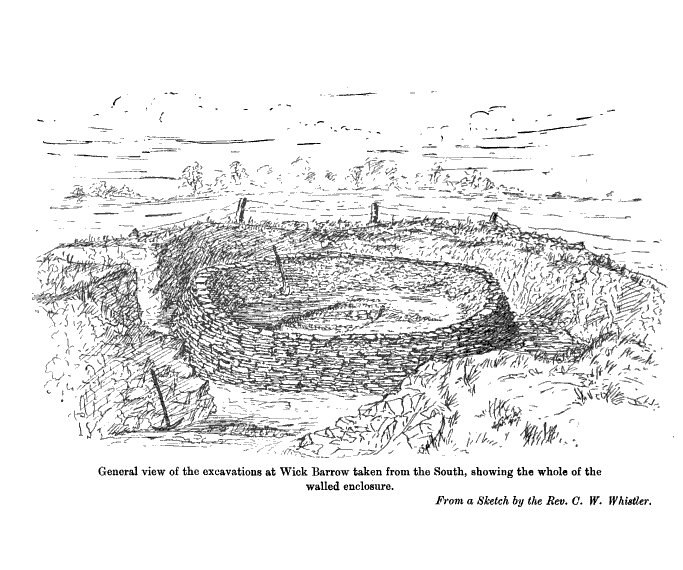
Let’s take for example the nearby “Wick Barrow” also called the “Pixie’s Mound” which is about 1.75 miles due north of Stogursey adjacent the Bristol Channel:
“Wick Barrow is a rare example of a Neolithic round barrow, dating from about 6,000 years ago. It measures about 25 metres in diameter and 1.5 metres high. A barrow is a name given to a structure for buying the dead….It is roughly 7.5 miles from Bridgwater in the parish of Stogursey, Somerset. It was excavated by Harold St George Gray in 1907….The majority of the burials found by Gray lay above, but mostly within the area of the walled enclosure. The main burials included three crouched skeletons dating to the late Neolithic, about 4,400 years ago. Skeleton 1 was accompanied by a bell shaped beaker. Skeletons 2 and 3 were accompanied by long-necked beakers and flint tools.” https://archaeologyathinkleypoint.wordpress.com/wick-barrow/
This video about the mound is entered into a 2015 competition next month in Italy. https://m.youtube.com/watch?v=Bqd7RJO57yM
Let me remind you about the Bell Beakers from the map I posted earlier:
 From Wiki:
The Bell Beaker culture is understood not only as a particular pottery type, but as a complete and complex cultural phenomenon involving metalwork in copper, gold and later bronze, archery, specific types of ornamentation and shared ideological, cultural and religious ideas. The Bell Beaker period marks a period of unprecedented cultural contact in Atlantic and Western Europe on a scale not seen previously, nor again seen in succeeding periods… from c. 2400 BCE (Before Current Age= BC) Bell Beaker expanded eastwards over parts of Central and Eastern Europe. Beaker-type vessels remained in use longest in the British Isles; late beakers in other areas are classified as early Bronze Age…The new international trade routes opened by the Beaker people became firmly established and the culture was succeeded by a number of Bronze Age cultures…
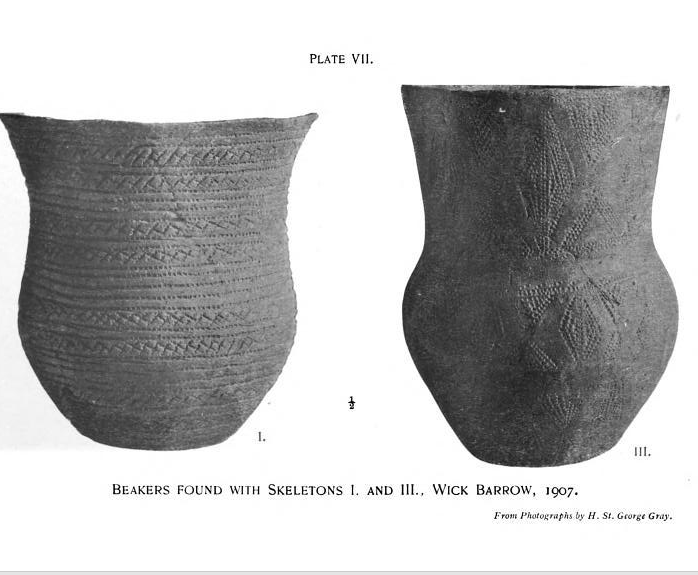
The importance of these localized finds must be viewed within the larger context of recent discoveries and the serendipity that life engenders. As any of you who have followed me awhile— everything leads to something else—and that is sometimes why I have a hard time bringing it all together. I posted this on my FACEBOOK page on September 9th:
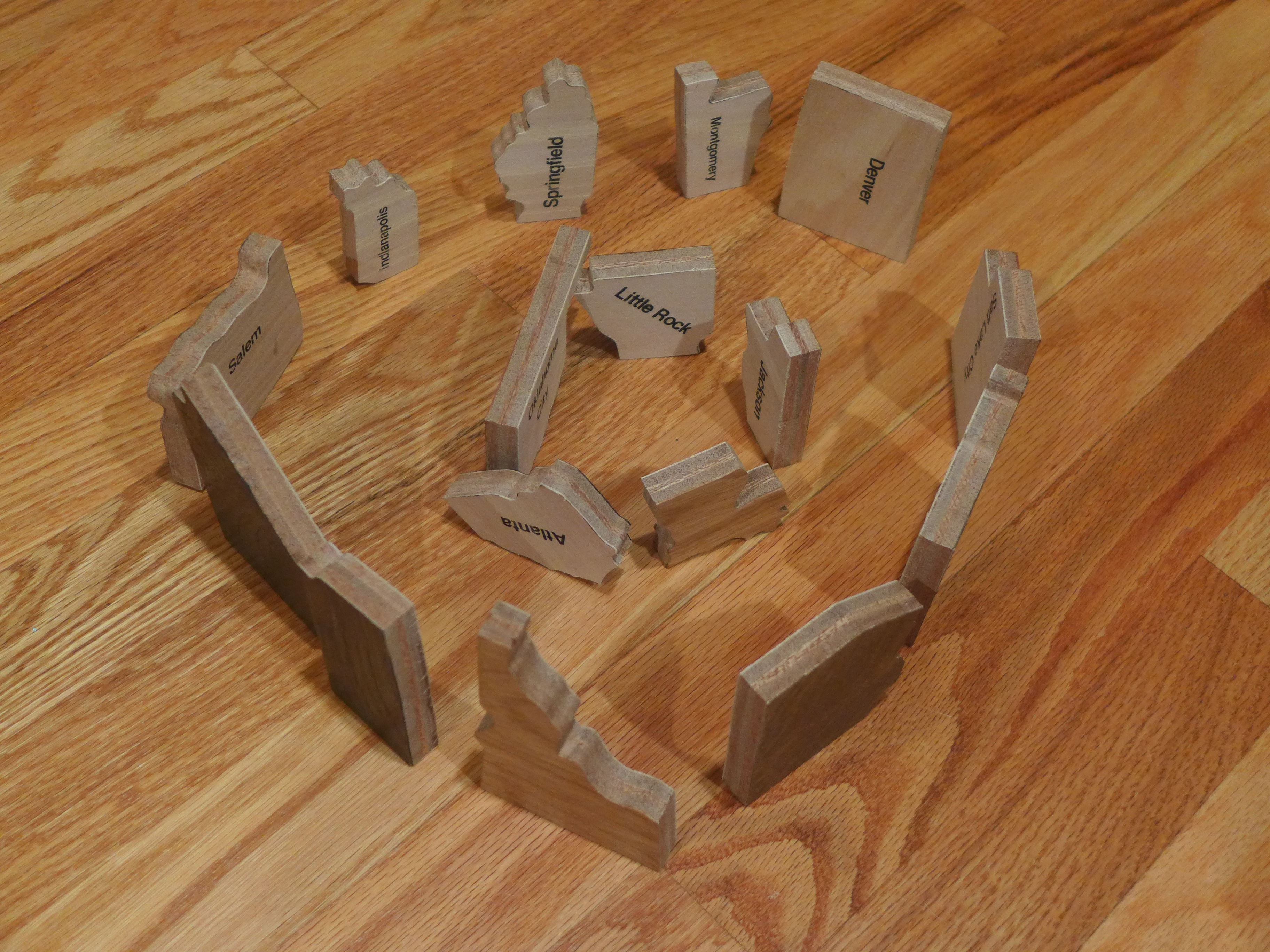
My 5 yr old Grand-daughter’s creation with US states puzzle pieces. I said, “That looks like Stonehenge.” She said, “What’s Stonehenge?” So I pulled out some books and showed her some photos but they did not show the scale so we went online and found some with people in it. She said, “Those are huge.” Then we talked about where the stones had come from and how long ago it was built….Then later on the news, she says “Nona, look Stonehenge.” It was the discovery of the new buried stones north of Stonehenge. She was so excited and so was I.
So whether we are talking the ancient Neolithic and Bronze age Bell Beakers, the Romans, Normans or more recent travelers, our lives and those of our ancestors are ones of a huge network of relationships. The areas of science that deal with these things whether, linguistics, archaeology, anthropology or genetics often have a difficult time integrating the various elements and even a harder time of making the connection to us. But let us try—
Back in Stogursey, when looking for more information before my trip I came across this: A large hoard of late 3rd century Roman coins found in 1999 in Stogursey including 1,097 basal silver radiates, 50 copper allow coins and pottery vessel remains dating from 276 CE (AD). There was also a Bronze Age gold ornament found at the same time, but it is not considered to be part of this hoard. Near Stolford just to the right (East) of this photo on the beach are the remains of a submerged forest dated to 2500 BCE.
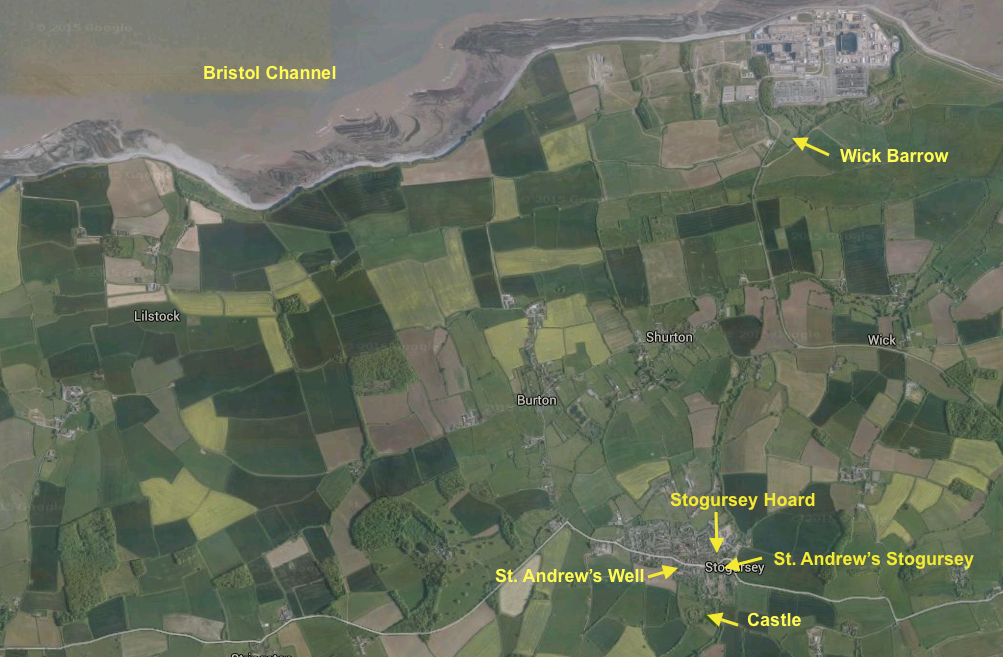
As soon as I started looking for connections they began to surface everywhere. After my return I was notified of DNA from a study conducted in the Bristol area which found three men bearing the same FGC22501 mutation that our WHEATON Y chromosome uncovered. The estimated age of the L2 mutation (parent of FGC22501) is about 4200 hundred years ago, so FGC22501 must have happened more recently. You might remember this map of the Bristol study area. It ends along the River Parrett about 5 miles away from Stogursey.

So what makes that important? Well we have at least 3 males that carry the same ancient Y-DNA mutation FGC22501 within a short distance of Stogursey. We have a Robert Wheddon marrying in the right time frame and since to date the only other men in England to carry these mutations are a TRIPP from Lincolnshire, a KIDD of unknown origins in England and a WHIFFING from Surrey these are the closest data points to the target area. Then this past month we got our most exciting DNA match with a VERBEECK form Belgium who is a wealth of information on Norman-Flemish and Celtic families and movements.And VERBEECK and TRIPP share another 7 downstream mutations bringing the time frame to a MRCA (Most Recent Common Ancestor) probably about 700-1000 years ago. In other words about the time of the Norman conquest.
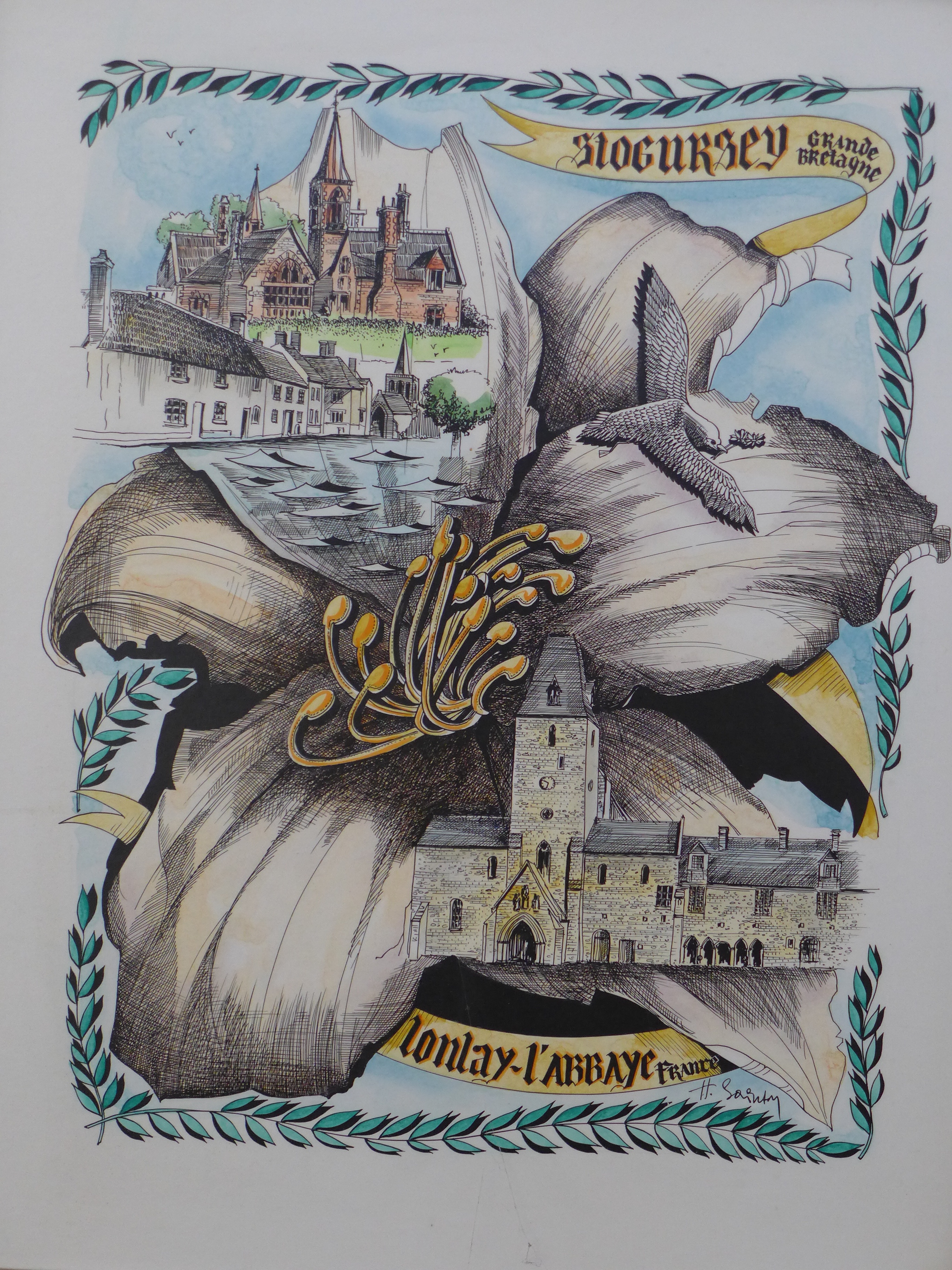
So we combine DNA datasets with historical facts, and migrations and we start to build some likely scenarios that connect the dots. And one of the dots is a relationship between the Church of St. Andrew’s and its association with l’abbeye de Lonlay in Normandy, France its mother foundation. Below is the photo I took from within St. Andrew’s church. So one of the ways that DNA may have come to this area is via Norman invaders and settlers. William de Falaise or a member of his entourage or one of the many other Norman Counts may be the connection. A rough guestimate might place the FGC22501 SNP at about 1500 BCE so certainly a possible Bronze age time frame making those Bell Beakers a very real possibility. Where it occurred is not known, but most likely in one of the pockets of Bell Beakers shown on the above map. Although our thoughts are pulled towards the idea that this SNP occurred on mainland Europe we must always keep in mind the possibility that it occurred in the British Isles and moved in a counter-intuitive direction–even as this is less likely.
It is certainly a very real possibility that it came with the Normans. To this day the parish maintains ties with the mother house in Lonlay. Falasie is about 30 miles form Lonlay. William de Falaise had holdings in Devon, Dorset, Somerset and Wiltshire. The Domesday book records 17 holdings in Devon a mere 3 in Somerset but include Stogursey, Woodspring and Wooton Courtney. Woodspring was given to him by Serlo de Burcy whose daughter William married. In comparison large land owners like William de Mohun who held Dunster, Watchet, and Cutcombe (Wheddon Cross) and a much higher number of properties across the same four counties. The point being the connections between the Norman-Flemish and the north Somerset area of England and the DNA of 6 men from England and their counterparts in Belgium and Romania. Lest we be too hasty in our conclusions it is possible that some of the FGC225001 matches migrated earlier with the Flemish-Roman soldiers or even earlier with the Bell Beakers…too soon to tell. What I can say is that there has been a long-standing interchange of genes and trade between Northern France, Flanders and the Bristol channel area.
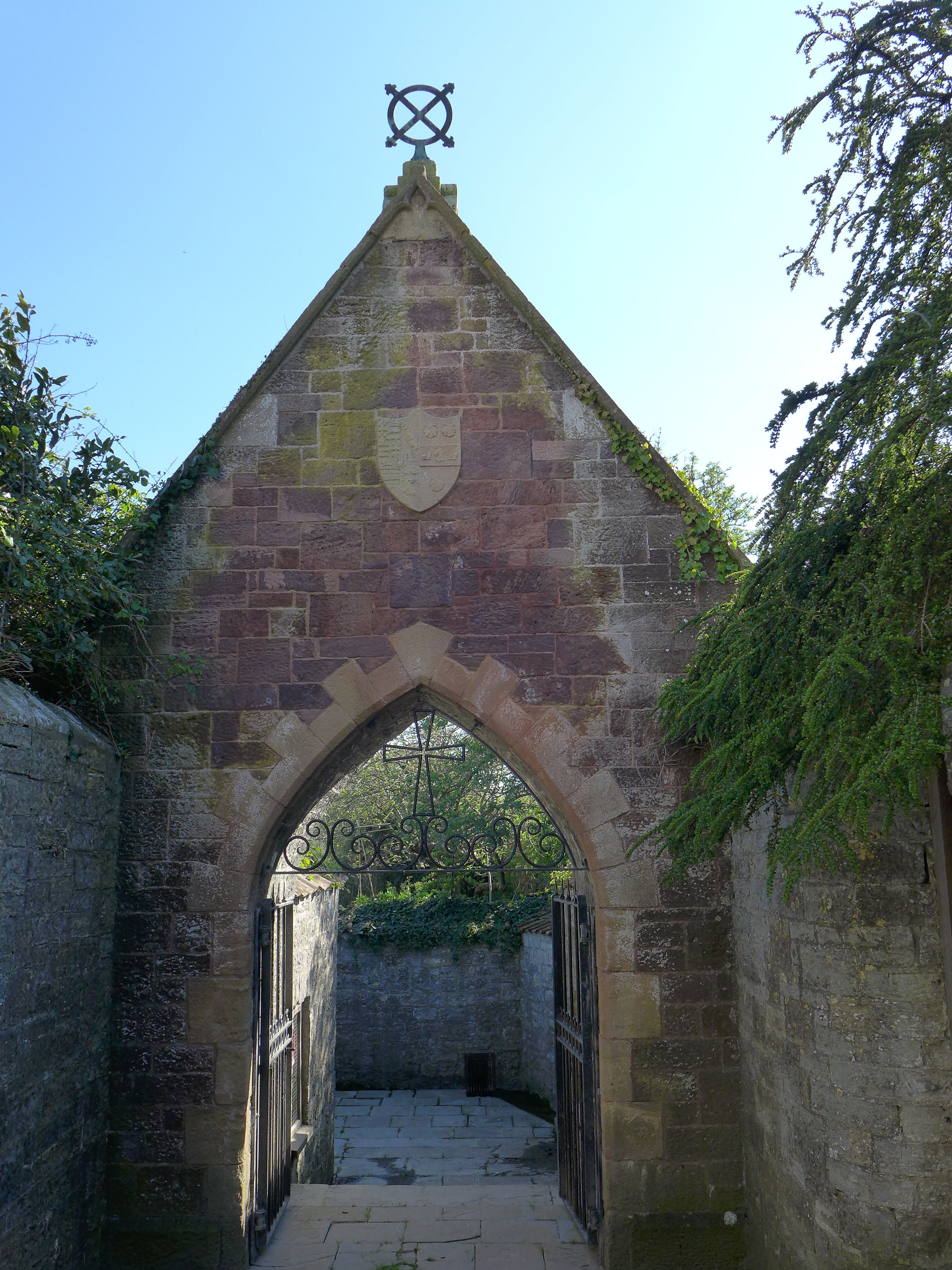
Entrance to St. Andrew’s Well
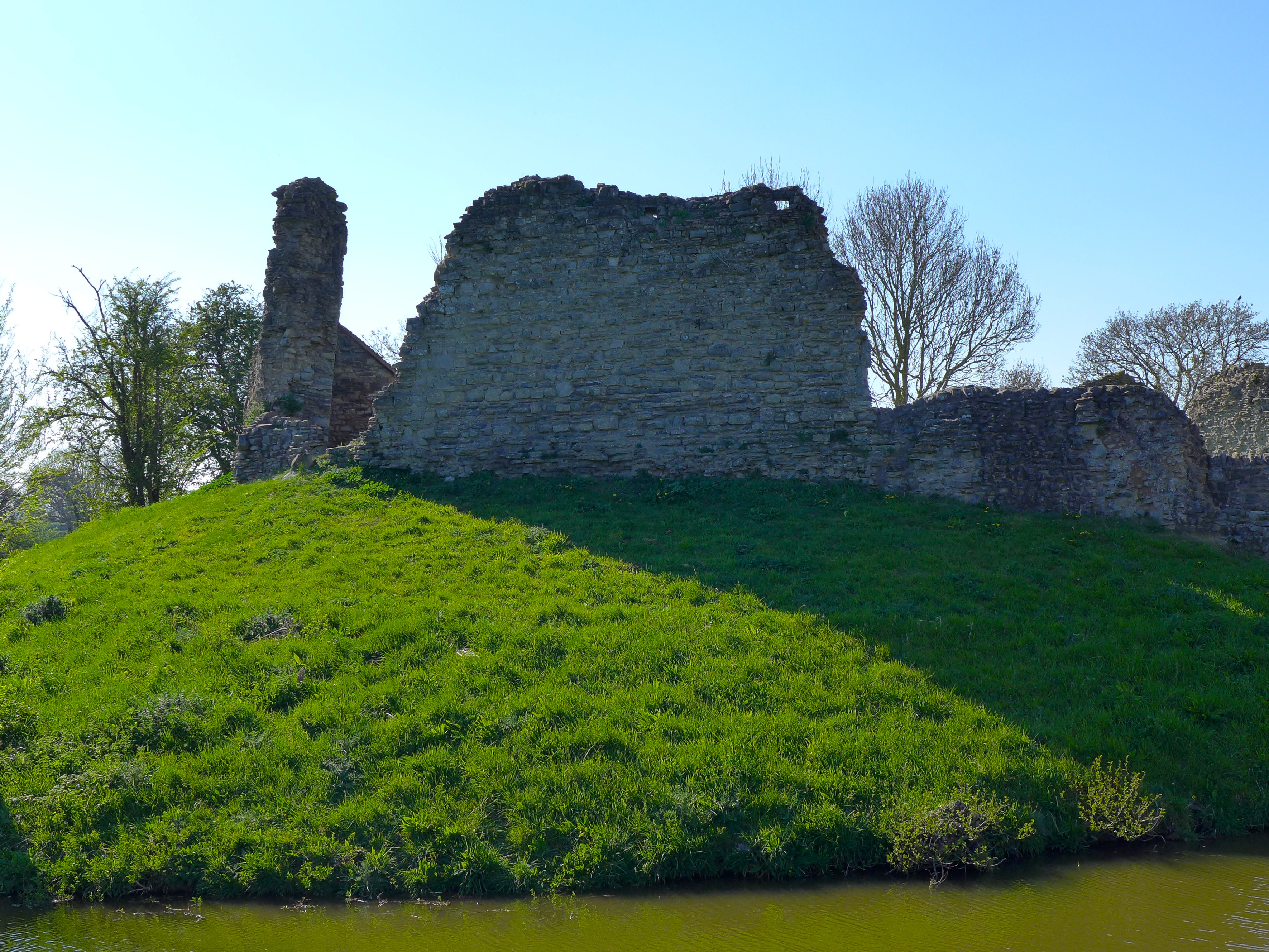
Stogursey Castle Walls
For now let me leave you with this lovely description from the “Land of the Quantock: A Descriptive and Historical Account” By Rev. William H.P. Greswell. 1903 p139:
“The scene is peaceful enough all around the castle…Castle, church, priory, mill, and pound [pond], all side by side, show in their complete form the outlines of the Norman village. Down the valley is the sea that roars on “Shurton Bars,” not far off the thriving port in old days of Stoverd of Stolford. The deep and well-worn lane leasing straight from the old gateway, seems to point seawards and to the Parret [River,] as if this castle meant to guard the access to the sea. It is the sea that has imparted the breath of adventure to this Norman fortress. Down by the landing-place the chapel of St. Michael’s stood, long since a ruin. [at Stolford].”
Newest Findings: Four and half years later
Posted on September 15, 2015 Leave a Comment
There is so much that has happened in the last month, but in this post I will cut to the chase. Although this specifically addresses Group B it shows what is possible with Next Generation Sequencing (NGS) of the Y chromosome for all of our groups. (Both Group B and Group C have NGS testing!)
A long time ago, 20,000 years more or less, the mutation M343 occurred as a man fathered a son and a transcription error occurred on the Y chromosome. This son was the ancestor of the most predominate Haplogroup in Northern Europe R1b carried by tens of millions of men today (including all in our project except Group E). We can use this and mutations that happened after M343 to literally trace our ancestry back through time. Although I talk about lots of esoteric technical stuff the essence is that for each man alive today, we will be able to trace the paths of his ancestors through the mutations he carries. Just three years ago this was not possible. When we tested the price was $1250. It is now on sale through the end of the month for $700. And there are less expensive options in the works. It is always the early adopters that pay the highest price but build the framework on which all else happens. We were there!
You should all be rightfully proud of your participation in this modest surname project which collaboratively has accomplished so much. It shows what is possible as citizen scientists, that will never be done by experts because our interest is too parochial for them. Each surname or haplogroup project becomes expert in their little area of the Y tree. No researcher has the time, resources or interest in our branchlets of the Y tree.
So now to the latest. When Group B first got its Elite Y results (of the full Y chromosome) we had one match with an anonymous man from the “1,000 genomes project” who had 3 out of 4 grandparents born in Mexico. Then we got a match with a DOOTZ from Romania whose family goes back there to the 12th C. It was rumored that his family were Transylvania Saxons. He shared the two SNPS that came after L2: FGC22501 and FGC22538 that were both discovered in our group B sample along with over 40 others.
Our next big break was in matching a US tester TRIPP who not only shared FGC22501 and FGC22538 but 6 other downstream SNPS. This TRIPP was from Lincolnshire, England originally. And our biggest breakthrough was our latest match VERBEECK from Belgium. Not only did he match all the SNPS we share with TRIPP but he shares my passion for history, linguistics and archaeology. So this is the Phylogenetic Tree for the GROUP B. So at the level of FGC22501 there are 9 men and our WHEATONS who have tested positive. DOOTZ, VERBEECK, TRIPP, KIDD and WHIFFING all tested with FTDNA’s Big Y test which gets out 40-60% of the SNPS on the Y. The Y Elite gets 99%. Working together I believe we have already made significant progress in drafting the most likely scenarios to our most recent common ancestor (MRCA).

On the above tree note that Only TRIPP, VEERBECK and WHEATON share the lowest levels of SNPS (the most recent). TRIPP and VERBEECK are only a STR Genetic Distance (GD) of -10 at 67 markers (57 of 67 markers match). Whereas we are about -20 with VERBEECK and about -18 with TRIPP. The map below is a draft (or starting point) in guestimating the migration patterns of the individuals above. The circles or ovals denote the likely location that the SNP occurred and its early spread. The arrows are “likely” migrations. The dates are give or take about 500 years. The point for U152 is the ONLY precise data point where the SNP U152 was extracted from a skeleton from the Bell Beaker culture from c. 2200 BCE from Osterhofen-Altenmarkt, Germany ( known as RISE563).

A draft Map of the Migration pattern of various branches of FGC22501
It is believed that the Proto-Indo-European (PIE) Languages spread from the Eurasian (Russian) Steppes into Eastern and then Western Europe and with them came various Y branches of DNA. You might note Willem II of Holland on this map. This is educated conjecture at this point that he may have shared some of these SNPS as his STR profile (at 12 markers) is very similar to VERBEECK and one other suspected FGC22501. We are still in the very early stages of finding matches and mapping there migration.
I will be posting more as time permits and although I have shared it with many of the Group B folks I hope everyone will find it of some interest. I have often said that our DNA is the encyclopedia of where we came from and we just happen to be living at a time where reading that encyclopedia is possible. Just a few years ago Neanderthals were some ancient Homo species which we maligned and thought never mated with Homo sapiens. We were wrong and those with Northern European ancestry will have in the range of 2-4% Neanderthal DNA. This past week a new species Homo naledi was announced. We are not reaching that far back—but we are making incremental progress in tracing the path of our not so distant ancestors. In GROUP B that leads us to the Celts!
A few results for Group B
Posted on August 20, 2015 Leave a Comment
UPDATES
Adam tested negative for FGC22526 & FGC22529. This either means that these SNPS occurred downstream of a common ancestor of Michael and Adam or that Adam is not of Obadiah branch. For instance if these mutations occurred in Joseph 4 of Obadiah 3, 2, Robert 1 and the common ancestor was Obadiah 3, 2, Robert 1 then Adam would be negative for these SNPS.
We also have confirmed an Insertion in common with our TRIPP match FGC22548—so that makes for a total of 8 downstream of L2 with a GD of -17 50/67.
I am still hopeful that a few of you may decide to test the panel (FGC22503 for $233) or alternatively a couple of SNPS at $17.50 each. If you are interested please contact me. There is also the possibility if the Beta goes well of testing at 2xs or 4xs at Full genomes Corp (this includes all 23 chromosomes)
The 1000 genomes project was originally sampled at 2X’s and then upgraded later to 7-8X. The current sampling on the Y Elite is 30X or better.
2x coverage = $225 Less than half the price of a Big Y and may be a viable alternative once SNPS have been discovered.
4x coverage = $325
10x coverage = $675
Use codes:
2x:
WGS-2xcoverage
4x:
WGS-4xcoverage
10x:
WGS-10x
30x: $1850 (This is the Full sequence)
As for our decision to test at FGC vs Big Y. We have over 40 SNPS discovered and tested that do not appear in the Big Y files, so I am pleased with our choice. The current price of the Y Elite is $750 with some $50 off coupons available.
GROUP B
This map shows some of the Celtic tribes living along the western Rhine that may be our predecessors. Some would have migrated early into Britain. Others may have been pressed into service as the Roman troops inhabited the area and moved to Britain on their conquests there.

And a map showing the path from the Alpine Celtic region up the Rhine.


